Updated November 19, 2026 1:23 am
In short
Huang remains out at Nvidia for now, as supporters intensify pressure for his return and new reporting links his resignation to a scandal involving a Chinese-spy allegation, export-control concerns and a market-cap hit.
- Huang resigned last week amid affair reports and an internal controversy.
- TechCrunch says Nvidia executives do not plan to reappoint him; The Verge says the board is not considering reinstatement.
- Colette Kress said Nvidia will stop selling H200 chips in China.
- More than 200,000 petition signers and more than 193,000 letter signers urged Huang’s return.
Update — November 19, 2026 1:23 am
New details tie Huang’s departure more closely to the scandal itself: TechCrunch says he stepped down amid allegations involving an extramarital affair with a woman described as a Chinese spy, and that investigators have looked into whether she may have helped smuggle Nvidia chips into China around export controls.
Luckey also sharpened his argument by saying the move has already wiped roughly $1 trillion off Nvidia’s market value, which he framed as evidence that forcing Huang out helps China and weakens the U.S.
TechCrunch further spelled out that the petition backing Huang now includes more than 200,000 signers and names such as Elon Musk and the CEOs of Y Combinator, Databricks, Epic Games, Shopify and Replit, while Nvidia’s executives still say they do not plan to bring him back.
Jensen Huang says he would come back as Nvidia CEO if the board asked, but the company’s directors are reportedly not considering reinstating him. The standoff follows Huang’s resignation last week amid affair reports and an internal controversy, and it now sits at the intersection of corporate governance, China sales restrictions and a very public effort by industry allies to bring him back.
What happened
The clearest version of the story is this: Huang stepped down last week after the controversy surfaced, and Nvidia has not signaled that it wants to reverse course. According to The Verge, Huang said he had not met Nvidia’s standards and was cooperating with the board’s independent investigation. He also said he would be honored to return if the board decided that was best for shareholders, employees, the company and America.
But that offer does not appear to have changed the company’s immediate plans. TechCrunch reported that Nvidia executives do not plan to reappoint Huang, despite his willingness to return. The Verge, citing a separate report, said the board is not considering reinstating him.
How did the leadership shake-up begin?
Huang resigned after reports about an affair and an internal controversy, according to The Verge. TechCrunch said he led Nvidia for 33 years before stepping down, making the move especially consequential for a company that has become one of the most influential players in AI hardware.
The resignation has triggered a familiar but unusually high-profile response: petitions, open letters and public lobbying from people who want the founder back. TechCrunch said more than 200,000 people signed a petition urging Huang’s reinstatement. The Verge, meanwhile, reported that more than 193,000 people signed a letter asking for his return.
Those numbers do not tell the whole story, but they do show how unusual this corporate dispute has become. Leadership changes at public companies rarely inspire a mass campaign from employees, investors, customers and outside executives. In Nvidia’s case, the reaction is being amplified by the company’s central role in the AI boom and by the broader strategic pressure around U.S.-China chip sales.
Why it matters
This is not just a boardroom personnel matter. Nvidia sits near the center of the global AI supply chain, and any leadership uncertainty can ripple outward into customers, investors and policymakers. The company designs GPUs and AI chips that are used widely across the sector, which means its strategy shapes access to the hardware many AI systems depend on.
The controversy also lands during a tense moment for Nvidia’s China business. On Tuesday, interim CEO Colette Kress said the company will stop selling H200 chips in China. TechCrunch reported that Nvidia had been licensed for some H200 shipments to certain Chinese customers, but that China restricted those sales. That makes the leadership question harder to separate from the trade and export-control backdrop.
For readers, the practical significance is threefold:
- Nvidia’s management stability matters to AI companies that depend on its chips.
- China restrictions could affect Nvidia’s revenue and customer access.
- The board’s response will signal how much weight it gives public pressure versus governance concerns.
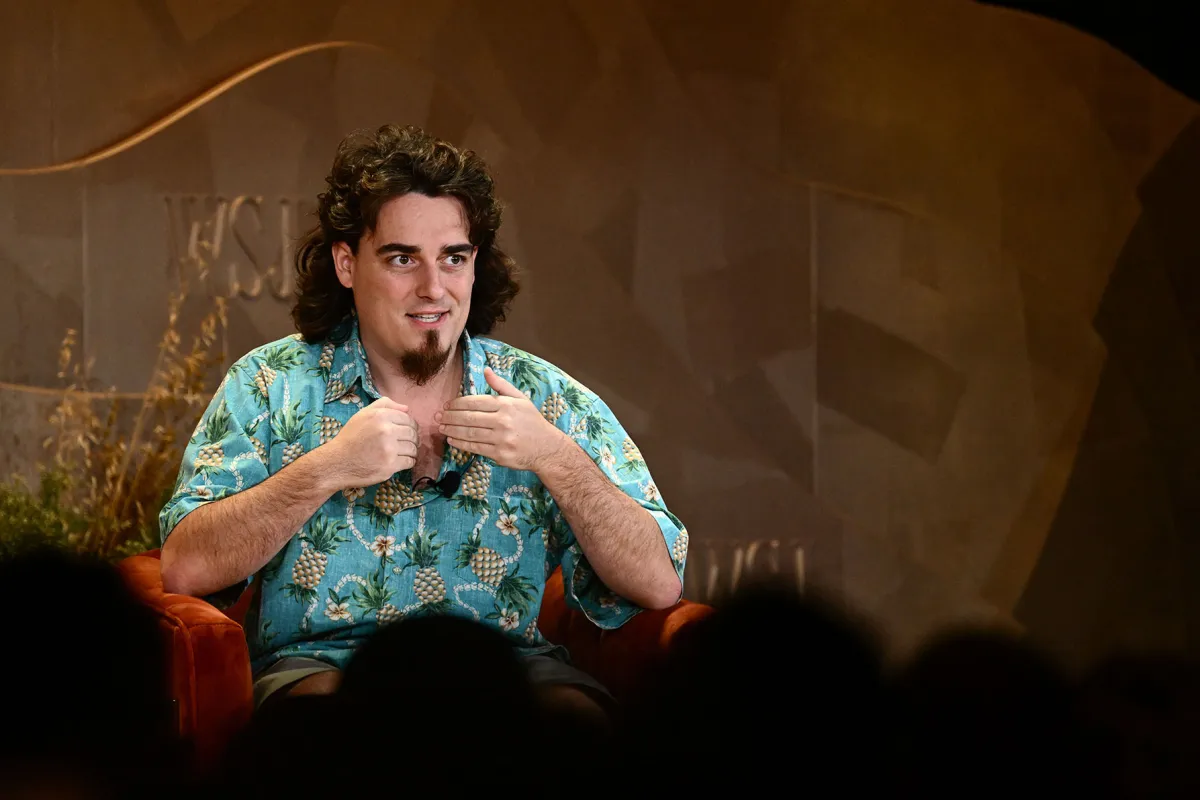
There is also a geopolitical layer. Palmer Luckey, the Anduril CEO, argued publicly that removing Huang helps China and weakens the United States. TechCrunch quoted him saying, “China wants Jensen out, so I want him in.” He also said China does not want Nvidia selling GPUs to Chinese companies and suggested that China was pleased by Huang’s removal because it makes America weaker.
Whether or not one accepts that framing, the argument shows how the dispute has escaped the usual confines of corporate succession. The question is no longer only who runs Nvidia. It is also who controls the direction of a company that sits at the heart of AI computing, export policy and international competition.
What the supporters are saying
Support for Huang’s return has come from high-profile technology names as well as large numbers of petition signers. TechCrunch said the petition included Elon Musk and CEOs from several major tech firms. The Verge reported that the support letter included Musk and Epic Games CEO Tim Sweeney.
That external backing helps explain why the story has become more than a private board matter. Once people outside the company start arguing publicly over whether a CEO should return, the issue becomes part governance, part brand management and part industry signaling.
Luckey, who has emerged as one of the most vocal defenders of Huang, made his case in blunt terms at the New York Times DealBook Summit on Wednesday. The reporting from TechCrunch portrays his argument as both political and strategic: replacing Huang, he said, would aid China and hurt the U.S. His line of attack suggests that supporters see Huang not only as an executive but as a symbolic figure in the AI race.
China wants Jensen out, so I want him in
That quote, which TechCrunch attributed to Luckey, captures the forcefulness of the campaign. It also highlights how quickly a corporate transition can become a proxy battle over national competitiveness when the company in question is a leading chipmaker.
What Huang said
Huang has not rejected the criticism. According to The Verge, he acknowledged that he had fallen short of Nvidia’s expectations and said he was cooperating with the board’s independent investigation. He also said he would be honored to return if the board concluded that doing so would be best for shareholders, employees, the company and America.
Those remarks matter because they leave the door open without forcing the board’s hand. He is not demanding reinstatement; he is signaling willingness. That puts the next move squarely on the directors, who must decide whether this is a temporary disruption, a permanent transition or something in between.
I did not live up to the standards expected of everyone at NVIDIA
That statement, reported by The Verge, is notable for its tone. It suggests acceptance rather than defiance, which may be intended to ease the path for whatever comes next. But acceptance does not mean the board is obliged to reverse course. For now, the reports indicate that it is not doing so.
Background: how Nvidia got here
Nvidia’s importance to the AI industry has grown alongside the market’s demand for specialized computing hardware. The company designs GPUs and AI chips widely used across the sector, giving it an outsized role in how AI systems are built and deployed. That strategic position has made Nvidia not just a chip company, but a barometer for the AI economy.
Huang’s own tenure amplified that influence. TechCrunch said he led Nvidia for 33 years, a stretch long enough to make him synonymous with the company’s rise. In a company so closely associated with one leader, a sudden departure inevitably triggers questions about continuity, customer confidence and board oversight.
The surrounding context matters too. U.S. export controls have limited some advanced chip sales to China, and that has complicated the business of selling high-end hardware to a huge market. The fact sheet notes that Nvidia had been licensed for some H200 shipments to certain Chinese customers, but China restricted those sales. Then, on Tuesday, Kress said Nvidia would stop selling H200 chips in China. Those developments suggest a business environment in which commercial planning and political constraints are tightly intertwined.
In that setting, a CEO transition is never just internal housekeeping. Leadership affects how a company handles regulators, how it communicates with customers, and how it responds to market pressure. When the company is Nvidia, the stakes are amplified further because of the scale of demand for its chips across the AI industry.
How do the reports differ?
Both outlets agree on the basic arc: Huang resigned, supporters want him back, and the board is not currently moving toward reinstatement. But there are differences in emphasis and sourcing.
- The Verge said the board is not considering reinstating Huang and reported that more than 193,000 people signed a letter supporting his return.
- TechCrunch said Nvidia executives do not plan to reappoint him and put the petition total at more than 200,000 signers.
- The Verge attributed Huang’s comments directly to him, including his acknowledgment that he fell short of company standards.
- TechCrunch focused more heavily on Luckey’s public argument and the strategic implications for China and U.S. competitiveness.
The differences are not contradictory so much as revealing. The Verge’s reporting emphasizes the governance and personnel angle. TechCrunch leans into the political and industrial consequences, especially as they relate to China and the AI chip market.
By the numbers
Here is a quick snapshot of the key figures in the story:
| Figure | What it refers to | Source |
|---|---|---|
| 33 years | Huang’s tenure leading Nvidia | TechCrunch |
| 200,000+ | Petition signers urging Huang’s reinstatement | TechCrunch |
| 193,000+ | Support letter signers calling for Huang’s return | The Verge |
| H200 | Chip model Nvidia will no longer sell in China | TechCrunch |
| 53 years | Time since Huang said he came to the United States | The Verge |
Timeline of the dispute
The episode has unfolded quickly over the span of a week:
| Date | What happened |
|---|---|
| Last week | Huang resigned as Nvidia CEO amid affair reports and controversy |
| Tuesday | Kress said Nvidia would no longer sell H200 chips in China |
| Wednesday | Luckey publicly backed Huang’s return at the DealBook Summit |
| November 17 | The Verge updated its report saying the board was not considering reinstatement |
| November 18 | TechCrunch reported Luckey’s comments and the continued push for Huang’s return |
What happens next
The next phase depends on whether Nvidia’s board says anything more definitive. The fact sheet leaves several open questions unresolved, and they are the ones investors and customers will watch most closely.
- Will the board formally rule out or revisit Huang’s return?
- Will the board’s independent investigation change the leadership plan?
- How much will the China sales restrictions affect revenue and customer access?
- Will more senior executives, investors or industry figures publicly back reinstatement?
For now, the most important signal is the one Nvidia has already sent: despite the public campaign, the company appears to be proceeding without Huang at the helm. At the same time, Huang himself is leaving the door open. That combination creates a rare kind of corporate limbo, one that can end quickly or drag on depending on what the board decides next.
If the board stands firm, Nvidia will have to prove that it can manage its AI leadership transition without destabilizing its broader business. If it changes course, it will need to explain why a resignation that followed a controversy can be reversed under pressure from petitions and outside allies. Either outcome would be consequential, because in a company as central as Nvidia, leadership changes are never just internal.
Frequently asked questions
Is Jensen Huang coming back as Nvidia CEO?
No public decision indicates that he is returning. Huang said he would be honored to come back if the board decided it was best, but reporting from The Verge says the board is not considering reinstatement and TechCrunch says executives do not plan to reappoint him.
Why did Jensen Huang resign from Nvidia?
He resigned last week after affair reports and an internal controversy, according to the fact sheet. Huang also said he did not live up to Nvidia’s standards and that he was cooperating with the board’s independent investigation.
What is happening with Nvidia’s China chip sales?
Nvidia’s interim CEO, Colette Kress, said the company will stop selling H200 chips in China. TechCrunch also reported that Nvidia had been licensed for some H200 shipments to certain Chinese customers, but China restricted those sales.
Who is supporting Huang’s return?
More than 200,000 petition signers, according to TechCrunch, and more than 193,000 letter signers, according to The Verge, have backed his return. Supporters cited in the reporting include Elon Musk, Tim Sweeney and Palmer Luckey.