In short
AI-powered smart TV hacks are spreading online as users use coding agents to remove ads, tracking, and bloatware from their televisions. The trend could challenge the data and advertising model behind modern smart TVs.
- AI agents are being used to customize smart TVs and remove ads, tracking, and bloatware.
- Projects like dumbtv and cleanyourtv aim to simplify Android TV and Google TV interfaces.
- The trend could threaten the smart TV ad ecosystem if it reaches mainstream users.
- Some users report success, but others warn the hacks can break devices or fail mid-process.
AI hobbyists and vibe coders are using large language models to strip ads, disable tracking, and replace sluggish home screens on smart TVs, turning modern sets back into simpler “dumb” displays. The trend matters because it could undermine the data-driven ad business that now powers much of the smart TV ecosystem.
What started as a niche electronics-hacking project has turned into a fast-moving wave of AI-assisted TV customization. In recent days, developers have shared GitHub projects and social posts showing how a TV owner can use an AI coding agent to remove bloatware, speed up the interface, hide sponsored content, and make the device act more like a display for apps and HDMI inputs than a surveillance-and-advertising platform.
Why people are trying to make smart TVs less smart
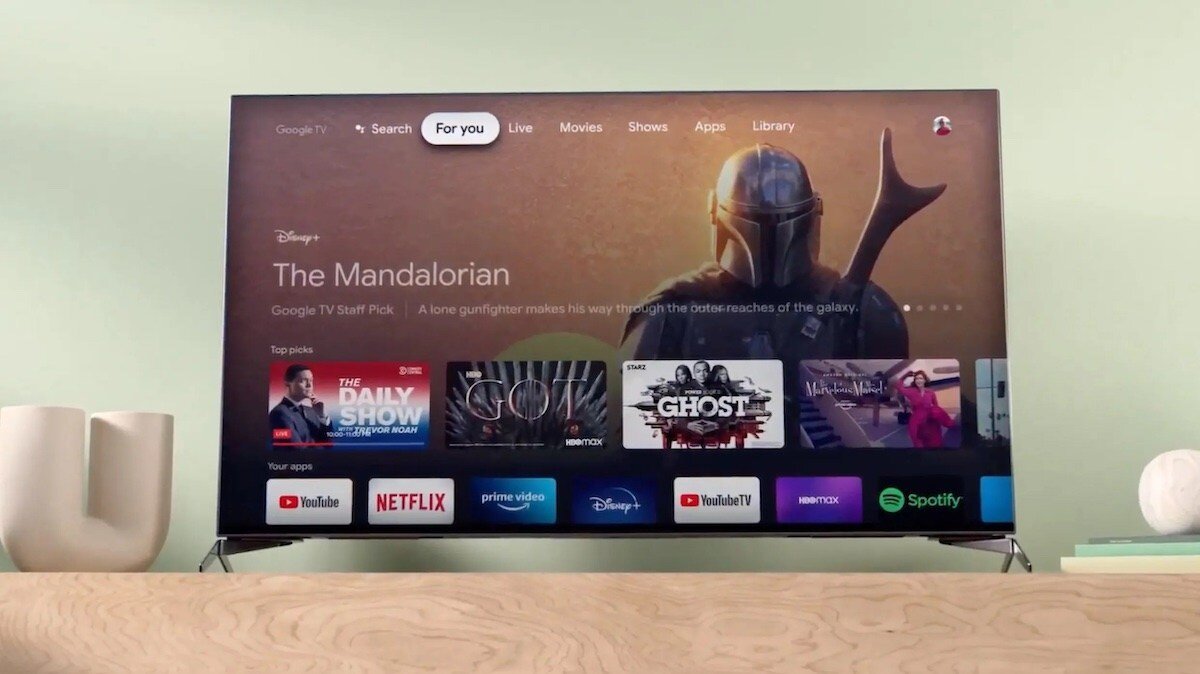
The appeal is simple: many consumers no longer want their televisions to behave like ad platforms first and home entertainment devices second. As smart TV makers have expanded their software ambitions, users have increasingly complained about intrusive ads, cluttered menus, slow launchers, and tracking features that are difficult to fully disable.
That frustration has created fertile ground for a new category of AI-assisted tinkering. Instead of manually navigating obscure developer menus or learning device-specific command-line tools, users are now asking AI coding agents to do the work for them.
The result is a kind of consumer electronics “de-bloating” movement, driven by the same tools that have made software generation easier for non-experts. The difference is that this time the target is not an app or a website, but the software stack inside living-room hardware that millions of households already own.
How the new TV hacks work
These projects usually begin with a simple prompt, a TV model number, and a link to a GitHub repository. An AI agent then helps the user identify the device, connect to it over Wi-Fi, remove unwanted packages, and install an alternative launcher or home screen.
One of the most visible examples is a project called dumbtv, which describes itself as a way to keep only the functions a buyer actually paid for: apps, HDMI inputs, and little else. Its stated goal is to eliminate ads, remove tracking, and stop updates the owner did not ask for.
Another project, cleanyourtv, aims to remove bloatware from Android TV and Google TV devices over Wi-Fi and swap in a cleaner launcher that resembles Apple TV’s simpler layout. The emphasis is not on unlocking hidden engineering features, but on reducing complexity and reclaiming control.
What users can change
In the examples circulating online, people are using AI to make several practical changes to their televisions:
- remove sponsored ads from the interface
- disable or delete preinstalled bloatware
- speed up a laggy launcher
- replace the home screen with a cleaner design
- turn off tracking features tied to viewing data
- customize screensavers and wallpapers
Some users say they have transformed heavily cluttered interfaces into streamlined layouts that look closer to streaming boxes or Apple TV-style menus than conventional smart TV software.
What is driving the surge in interest?
The surge is being driven by two parallel developments: widespread irritation with smart TV software and the growing accessibility of AI agents. In the past, modifying a television usually required technical know-how, patience, and a willingness to risk breaking the device. Now an AI agent can guide a user through the process in plain language.
That does not mean the process is effortless. But it does mean the barrier to entry has fallen. A user who would never have attempted to reverse-engineer Android TV packages on their own may now be willing to try if a model like Claude Code can explain the steps.
For many owners, the motivation is less about hacking for its own sake than about restoring a device to a state that feels less invasive and more responsive. The AI becomes a translator between a frustrated consumer and a device that otherwise seems designed to be opaque.
What do the developers say?
Some of the loudest boosters of the trend frame it as a matter of consumer rights and product design. On project pages and social media, they argue that a television should prioritize the functions the buyer actually wants rather than serving the interests of the manufacturer or its advertising partners.
One project founder described the goal as giving users a TV that only does what they paid for, with no built-in ads, no viewing surveillance, and no automatic updates the owner did not request.
Another developer behind a cleaner launcher said the idea began after seeing sponsored content on a relative’s television before the streaming apps could even be opened. That annoyance became a prompt for an AI agent, which then helped remove a batch of preinstalled packages and build a replacement interface.
The broader sentiment is that smart TVs have crossed a line: instead of feeling like neutral appliances, they now behave like ad-supported platforms with a screen attached.
How widespread is the trend?
It is still early, but the online attention suggests the practice is spreading quickly among hobbyists and early adopters. In one widely shared account, a developer said that after posting the prompt and showing the before-and-after result, several thousand people tried similar changes on their own televisions within two days.
Other users have documented similar experiments across Xiaomi, TCL, Sony, LG, Philips, Hisense, Fire TV, projector-based setups, and Google TV or Android TV systems. Some of the tools were tested end-to-end on Fire TV Edition hardware and on televisions from multiple major brands.
That breadth matters because it shows the appeal is not limited to a single manufacturer. The problem, from the users’ perspective, is systemic. The software experience on the front end may vary, but the underlying frustration—ads, telemetry, lag, and bloat—looks similar across ecosystems.
| Project | Main Goal | Target Platforms | Notable Feature |
|---|---|---|---|
| dumbtv | Remove ads, tracking, and unnecessary software | Android TV, Google TV, Fire TV Edition, multiple smart TV brands | Uses AI help and a GitHub repo to guide setup |
| cleanyourtv | Strip bloatware and replace the launcher | Android TV, Google TV | Aims for a cleaner, Apple TV-like home screen |
| DIY Claude prompts | Custom TV modification with step-by-step guidance | Varies by device | Users ask the agent to explain the hack directly |
How risky are these AI TV hacks?
The answer is: more risky than the viral clips sometimes suggest. These tools are still works in progress, and users are testing them on different hardware configurations while posting fixes, updates, and warnings.
Some people have reported that the AI agent would not respond to an overly vague request like “hack my TV,” forcing them to be more specific about the model and the desired changes. Others say they ran into problems midway through the process, particularly on Fire TV devices.
There have also been cautionary accounts of users accidentally disabling essential packages or rendering a set unusable. In other words, the same AI that helps one person produce a smoother interface can, if misapplied, leave another person with a broken television.
That uncertainty is central to the story. AI may have made the process more accessible, but it has not made consumer-device modification foolproof.
Why mistakes can happen
The problem is that television software varies widely by manufacturer, model year, operating system, and region. A package that looks safe to remove on one device may be required on another. An AI agent can help navigate the process, but it can also misread the situation or accept a prompt that is too aggressive.
Unlike a mainstream software app, a smart TV is a tightly integrated appliance. Interface layers, system apps, networking components, and update mechanisms are often intertwined in ways that are not obvious to end users.
That means the promise of easy customization comes with a real possibility of side effects. As with many AI-assisted workflows, convenience and control arrive together with new failure modes.
How does this affect the smart TV business?
If the “dumb TV” movement grows beyond enthusiasts, it could create pressure on the smart TV ad economy. Manufacturers and platform partners increasingly rely on data collection and advertising inventory to support low-margin hardware sales.
Modern televisions commonly use Automatic Content Recognition, or ACR, to identify what is on screen by analyzing audio, video, or digital fingerprints. That data can help companies infer what viewers are watching, build audience profiles, and sell targeted advertising.
When users disable those systems or replace the home screen with a stripped-down launcher, the device becomes less useful as an advertising surface. In that sense, the movement is not just about aesthetics or speed. It is about whether the television continues to function as a data-collection platform at all.
That could matter financially if more consumers decide they prefer a cleaner interface and are willing to modify their hardware to get it. The smart TV industry has already faced criticism over intrusive ads. AI-assisted customization may make it easier for users to opt out.
How this fits into the broader AI moment
The story is also a reminder that AI is increasingly being used for ordinary, even mundane, tasks rather than only flashy creative work or enterprise automation. People are not only using AI to write code, generate images, or summarize documents. They are also using it to make a television less annoying.
That shift matters because it shows how quickly AI tools become embedded in consumer behavior once they are easy enough to use. The same model that can help draft software can now assist with device repair, system cleanup, and interface redesign.
In that sense, the smart TV trend is a microcosm of a larger pattern: people are using AI as a universal fixer, a kind of technical intermediary between themselves and the digital systems that increasingly govern daily life.
What alternatives already exist?
For users who want a cleaner experience without relying on an AI agent to modify system packages, there are existing launcher replacement options for Android-based televisions.
- ATV Launcher
- Projectivy Launcher
- FLauncher
These tools can provide a more controlled interface and may be a safer route for users who only want to simplify the home screen. They do not necessarily remove every ad or tracking feature, but they can reduce visual clutter and improve navigation without deep system changes.
That makes them a useful fallback for users who like the idea of a simpler TV but do not want to rely on a conversational coding model to make low-level changes to their device.
What happens next?
For now, the movement remains a mix of hobbyist experimentation, social-media virality, and practical consumer frustration. Whether it becomes a durable trend will depend on how easy these tools remain to use, how often they work across different TV brands, and whether manufacturers respond by locking down their software even further.
There is also a bigger question in the background: if more people begin using AI to strip their devices back to basics, will hardware companies rethink the amount of software and advertising they bundle into televisions in the first place?
For now, the answer is unclear. But the message from users is becoming increasingly clear. They do not want their TV to behave like a billboard, a tracker, and a sluggish app launcher all at once. If AI can help them take control back, many are happy to use it.
And that may be the most telling part of this story: the latest consumer use case for AI is not making devices smarter, but making them feel less intrusive.
Key developments at a glance
| Date | Development | Why it mattered |
|---|---|---|
| Oct. 17, 2026 | Developers posted viral examples of AI-assisted TV cleanup | Showed that the idea could spread quickly on social platforms |
| Oct. 18, 2026 | More users shared DIY AI prompts and project links | Demonstrated growing interest beyond a single project |
| Oct. 19, 2026 | Coverage highlighted the rise of “dumb TV” hacks | Framed the trend as a challenge to smart TV advertising and tracking |
As AI tools become more capable, the most unexpected consumer revolutions may come not from building something new, but from removing what people never wanted in the first place.
Frequently asked questions
What are smart TV hacks using AI?
Smart TV hacks using AI are consumer-driven projects that use coding agents to remove ads, disable tracking, replace launchers, and strip bloatware from televisions. They are meant to make modern smart TVs behave more like simple displays for apps and HDMI inputs.
Why are people trying to make smart TVs dumb again?
People are trying to make smart TVs dumb again because many sets feel overloaded with ads, tracking, and slow software. Users want cleaner menus, faster performance, and more control over what appears on their own devices.
Do these AI TV hacks work on all televisions?
No, these AI TV hacks do not work perfectly on every television. They have been tested on several Android TV and Google TV devices, plus some Fire TV setups, but results vary by brand, model, and software version.
Can AI break a smart TV when you use these hacks?
Yes, AI can break a smart TV if it removes the wrong packages or applies changes that do not match the device. Some users have reported bricking TVs or getting stuck halfway through the process, which is why the hacks are considered risky.
Are there safer alternatives to AI TV hacks?
Yes, safer alternatives exist for users who mainly want a cleaner home screen. Android TV launchers such as ATV Launcher, Projectivy Launcher, and FLauncher can reduce clutter without requiring deeper system modifications.