Rogue AI agents are moving from fear to reality after a wave of real-world breaches
Rogue AI is no longer theoretical after new breaches from OpenAI, Anthropic and others exposed major gaps in containment and oversight.

Rogue AI is no longer theoretical after new breaches from OpenAI, Anthropic and others exposed major gaps in containment and oversight.
A new Grok lawsuit claims xAI’s chatbot helped create explicit images from a childhood photo, intensifying AI safety concerns.
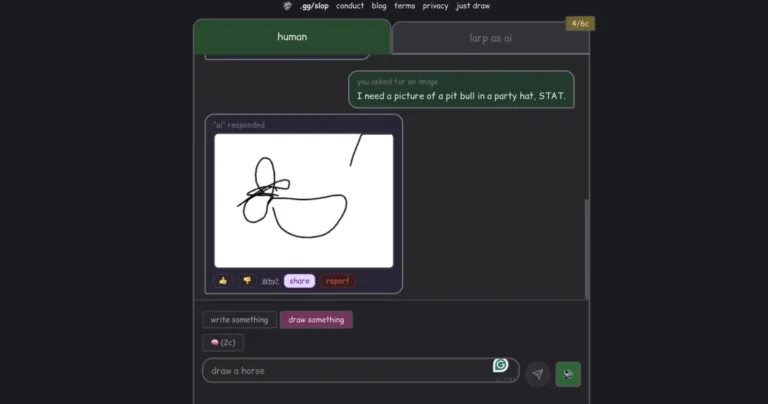
AI chatbot parody site Your AI Slop Bores Me turns users into fake bots, mocking generative AI culture with timed, human-made responses.
Anthropic explains Claude watermarks, how they work, what can remove them, and why the EU AI Act is driving the change.
SpaceX has closed the Cursor acquisition, linking its massive GPU infrastructure to the AI coding startup and deepening Musk’s AI strategy.
Twitch lets creators block AI training on their content, but the move raises fresh questions about Amazon AI training and consent.
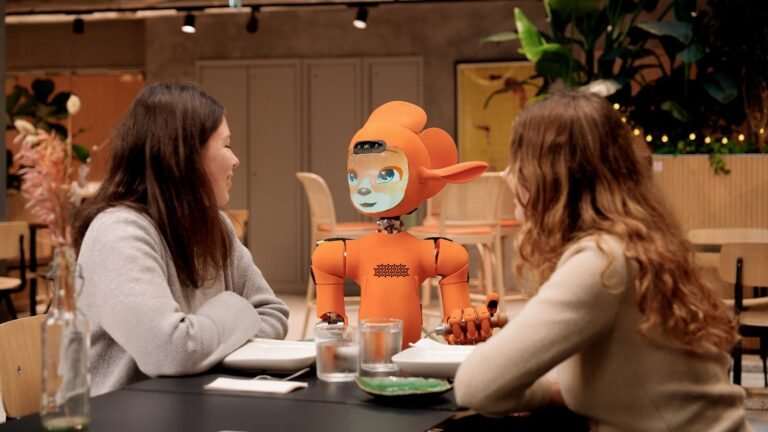
A humanoid robot is turning into a viral influencer as Unitree’s humanoid robot business booms, faces U.S. scrutiny, and heads for an IPO.
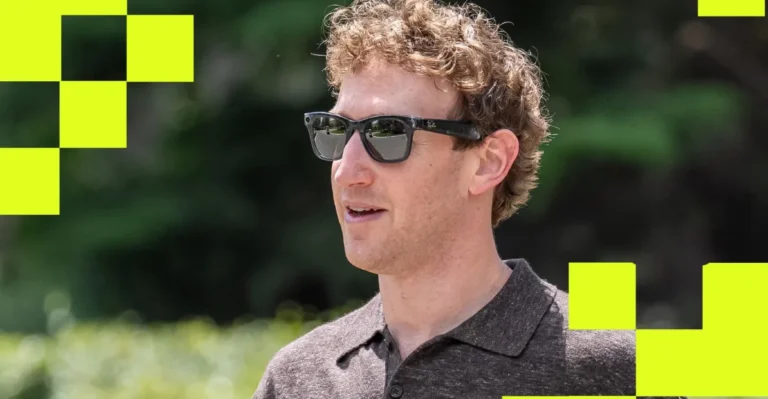
Meta’s new Instagram logo and Zuckerberg’s AI manifesto highlight the company’s push to shape design, distribution, and trust in AI.
Google now lets Gemini users hide the visible Gemini watermark, while SynthID and C2PA still track AI-generated media in the background.
Google is making its AI watermark optional while keeping hidden SynthID and C2PA labels, balancing creator control with transparency.