A Divided Tech Front on European AI Governance
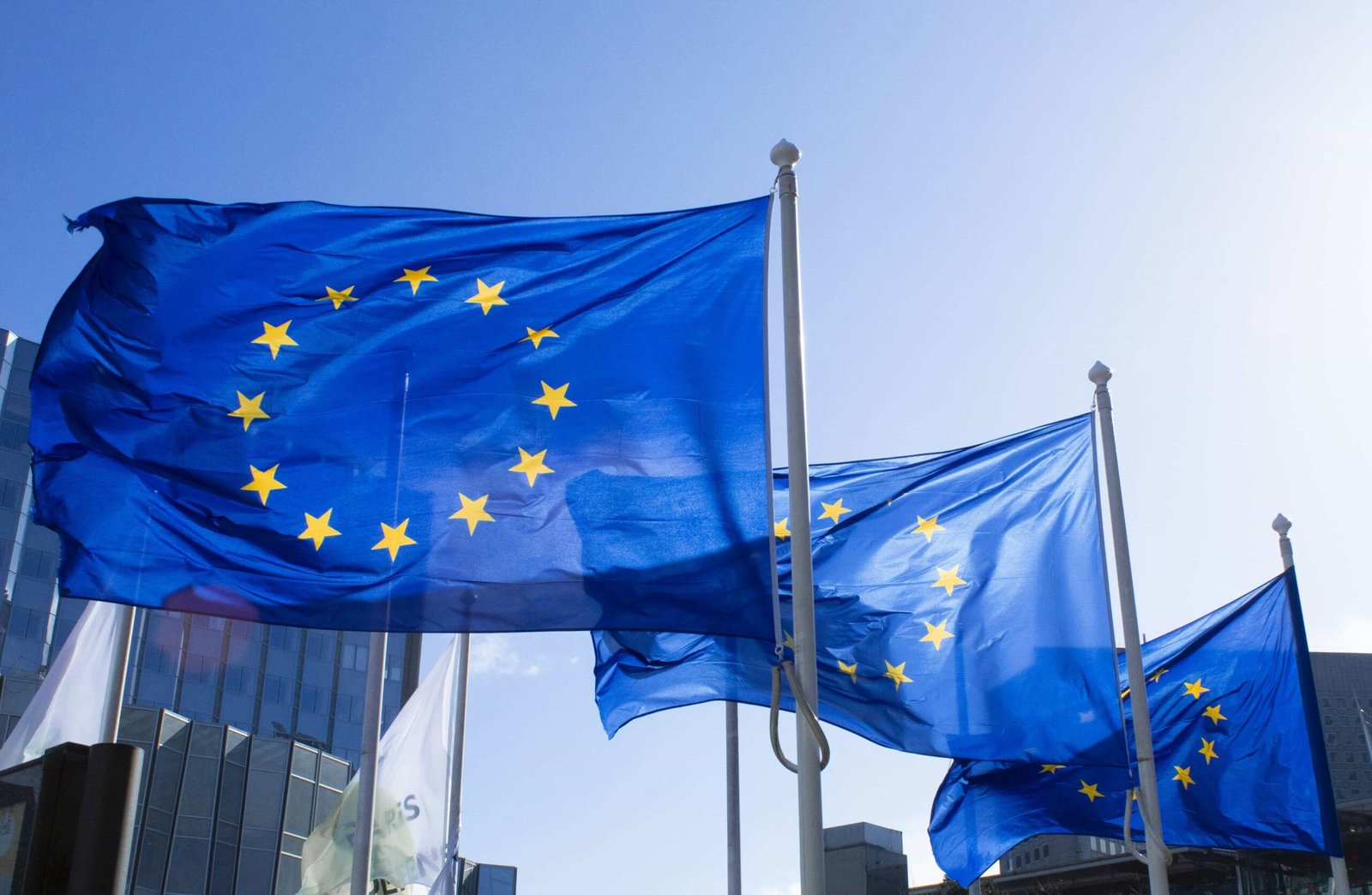
The European Union’s push for responsible AI governance reached a pivotal moment this week as Microsoft announced its likely endorsement of the EU’s voluntary AI Code of Practice, signaling a strong commitment to regulatory alignment and ethical AI deployment across Europe. In stark contrast, Meta Platforms publicly rejected the same guidelines, citing concerns over legal vagueness and restrictive mandates. This divergence among two of the world’s largest AI developers underscores the evolving tensions between innovation and regulation in artificial intelligence policy.
Understanding the EU AI Code of Practice
Formulated by 13 independent AI governance experts, the EU AI Code of Practice was developed to serve as a compliance and transparency framework for the upcoming enforcement of the EU AI Act, set to go fully live in 2026. While not legally binding, the Code acts as a preparatory set of voluntary obligations intended to ease companies into the more robust requirements of the AI Act.
Key requirements include:
- Transparency reports outlining AI model training datasets and methodologies.
- Adherence to EU copyright law in AI training.
- Alignment with European values of safety, accountability, and nondiscrimination.
- Use of impact assessments for high-risk AI systems.
Microsoft’s Strategic Shift: Proactive Regulation
In a significant announcement, Brad Smith, Microsoft’s President and Vice Chair, expressed Microsoft’s intention to formally join the Code. Speaking at the Global AI Governance Forum in Brussels, Smith emphasized that Microsoft’s decision reflects its long-term vision of building “trustworthy, inclusive, and responsible AI systems” that operate within internationally accepted standards.
This move is aligned with Microsoft’s broader strategy of:
- Maintaining favorable regulatory relationships across the EU.
- Enhancing its public image as an ethical tech leader.
- Preemptively complying with legal requirements ahead of the 2026 AI Act enforcement.
Microsoft’s participation also aligns it more closely with other major signatories of the code, such as OpenAI, Alphabet (Google), and France-based Mistral AI, collectively creating a unified front among U.S. and European AI powerhouses.
Meta’s Opposition: Innovation vs Regulation?
In a revealing contrast, Meta Platforms, the parent company of Facebook, Instagram, and the Llama 3 AI model family, has refused to sign the Code. According to Joel Kaplan, Meta’s Head of Global Public Policy, the company believes that the voluntary framework includes ambiguous and stifling mandates that could hamper innovation, particularly in open-source AI development.
Kaplan criticized the Code for:
- Lacking legal clarity on acceptable AI training sources.
- Placing unrealistic documentation burdens on developers.
- Failing to acknowledge the unique needs of open AI ecosystems.
Meta’s refusal reflects a broader strategy: resisting external regulatory frameworks that could interfere with its fast-paced model deployment and product experimentation. It also reveals an ideological divide in how Big Tech envisions the future of AI innovation—regulatory-first (Microsoft) versus open-exploratory (Meta).
Why It Matters: Shaping the Future of AI Regulation
The impact of this regulatory split is profound:
- Legitimization of the Code: Microsoft’s endorsement gives the Code more institutional weight, potentially setting a de facto global benchmark.
- Increased scrutiny on Meta: Regulators and watchdogs may increase pressure on Meta as it isolates itself from cooperative AI governance.
- Corporate reputation and compliance risk: As public and governmental scrutiny over AI systems increases, alignment with ethical codes could influence public trust, partnerships, and legal leniency.
With over 45 companies in Europe already expressing support, the Code appears to be transitioning from a voluntary tool to a quasi-standard for responsible AI development.
Broader Industry Context
The tension mirrors global challenges as nations and corporations race to set AI norms:
- U.S. developers are adapting to President Biden’s AI Executive Order on safety and transparency.
- China’s AI developers are subject to mandatory algorithm registrations and censorship compliance.
- The UK’s AI Safety Summit reinforced a multilateral push for democratic AI safety protocols.
Microsoft’s alignment with the EU’s Code signals that industry leaders see voluntary governance as a strategic advantage, not just a regulatory obligation. Meta’s rejection, while bold, could create long-term risks as international AI rules tighten.
Conclusion: The Fork in the Road
As AI reshapes societies and economies, tech giants are forced to choose between cooperation and confrontation. Microsoft has chosen the former—embracing regulatory maturity and global trust. Meta, on the other hand, is gambling on innovation without constraint. The implications of this divergence could shape not only the future of AI in Europe but set a precedent for how Big Tech engages with governments worldwide.