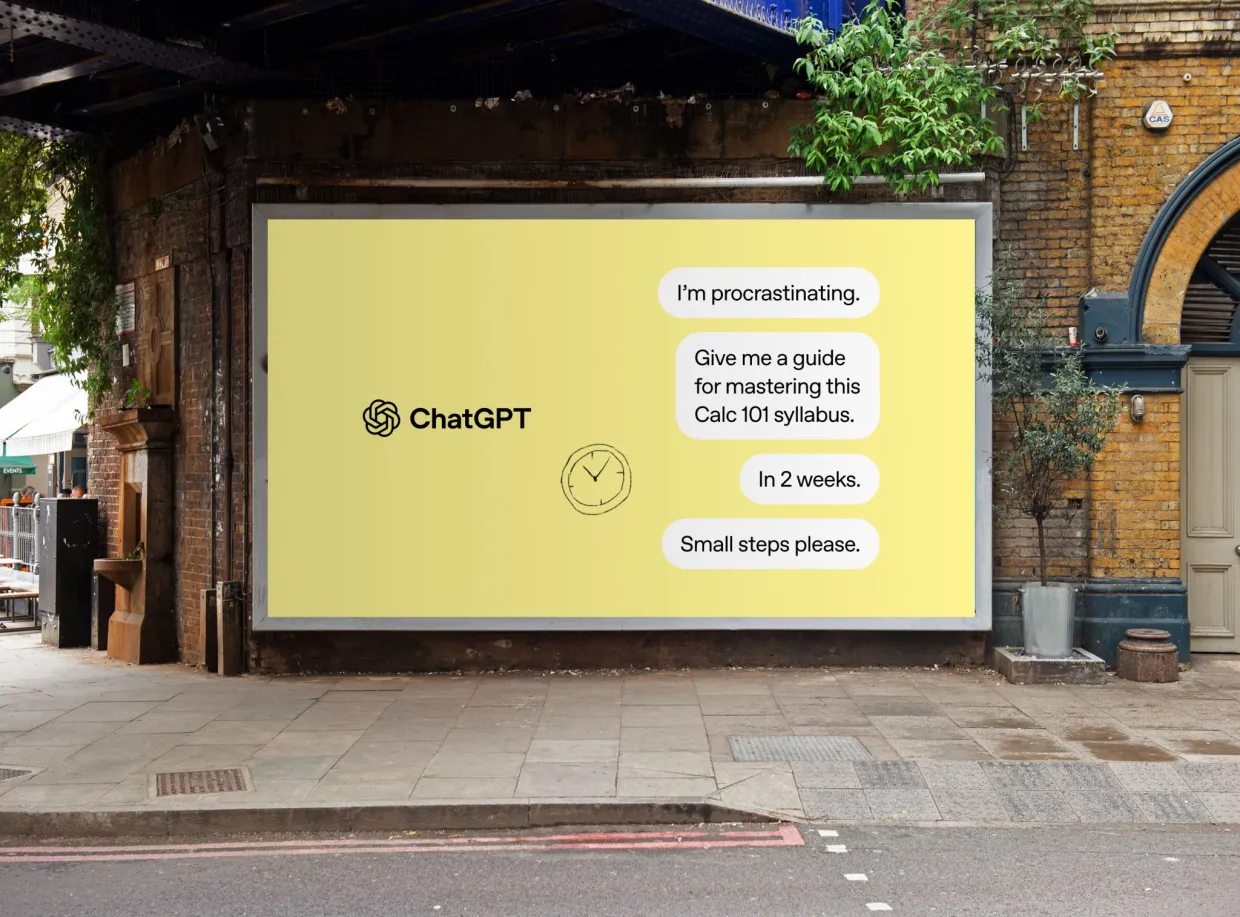
In a groundbreaking yet controversial move, OpenAI has started embedding targeted advertisements inside ChatGPT conversations, a decision that could reshape the future of generative AI monetization and user trust.
With millions relying daily on ChatGPT for information, creativity, and productivity, this marks a significant departure from OpenAI’s previous stance of keeping the platform largely ad-free. The move reflects a broader industry shift as artificial intelligence companies grapple with sustainability, infrastructure costs, and mounting investor pressure.
Why Now? The Economics Behind the Decision
OpenAI’s decision is rooted in monetary necessity as much as strategic ambition. Despite the platform’s massive popularity—ChatGPT draws over 100 million weekly active users—its financial model has relied heavily on premium subscriptions like ChatGPT Plus ($20/month) and enterprise licensing.
However, maintaining and scaling large language models such as GPT-4 and the newly released GPT-4 Turbo incurs astronomical costs. OpenAI CEO Sam Altman has previously hinted that AI infrastructure may ultimately require trillions in compute investment in the years ahead. This fiscal reality has pushed the company to diversify revenue streams, and ads are now a major part of that equation.
According to OpenAI, ads will allow it to continue offering high-quality services on lower-cost and free tiers, without sacrificing innovation or exclusivity for paid subscribers.
How Ads Are Being Integrated in ChatGPT
Unlike traditional digital advertising—banners, pre-rolls, or sponsored search results—OpenAI is experimenting with a “context-aware ad format” embedded directly into ChatGPT’s interface.
Here’s how the system currently works:
- Ads appear after ChatGPT’s responses, under a separate “Sponsored” label, making a clear distinction from the AI-generated output.
- The ad content is tailored to the topic of the conversation. For example, a query about planning a trip to Japan might yield a travel ad immediately after the assistant finishes its response.
- These ads will not influence the actual language model outputs, ensuring the integrity of responses remains untouched.
- Free users and ChatGPT Go subscribers (~$8/month) are part of this initial test. Ads will not be shown to users on ChatGPT Plus, Pro, Team, or Enterprise tiers.
- Sensitive contexts—such as queries related to politics, healthcare, or mental health—are off-limits for ad placement.
OpenAI is initially testing this system with select advertisers and U.S. users, and plans to refine based on performance, feedback, and ethical review.
Data, Privacy, and Personalization Controls
One of the most pressing concerns for both users and privacy experts is the question of how personal data is being used.
OpenAI has made several key assertions:
- It will not sell personal data or conversation history to advertisers.
- Ads are based on conversation context and limited user signals, not full-profile targeting.
- Users can view “Why am I seeing this ad?” explanations, offering transparency similar to platforms like Facebook or Google.
- Personalization settings can be turned off, but this may reduce ad relevance.
Additionally, OpenAI will not show ads to users it suspects are under 18, and it has committed to independent third-party auditing to ensure compliance with emerging privacy standards.
Nonetheless, privacy advocates remain cautious. The introduction of any form of behavioral or contextual advertising inside one-on-one AI conversations represents a major shift in digital trust. Critics fear a slippery slope that could evolve into full-scale monetization of user intent, behavior, or even emotional state.
Ethical Implications: Commercializing Conversations
This step raises profound ethical and philosophical questions:
- Can a generative AI remain unbiased while its platform profits from advertisers?
- Will users begin to second-guess the neutrality of their AI responses?
- Could commercial incentives slowly influence the architecture or behavior of AI assistants?
OpenAI insists that its engineering, safety, and policy teams are building strict guardrails. Ads are curated and filtered; they don’t affect the model’s logic or recommendations. However, the mere presence of ads in such intimate, trust-based contexts creates a new dynamic between user, AI, and corporation.
Moreover, concerns around mental health, misinformation, and social manipulation are heightened when ads are inserted into conversational flows—especially with large-scale AI platforms that users turn to for help making life decisions.
Industry Impacts: Setting a Precedent
OpenAI’s move is likely to influence other major AI players. Google has already announced plans to explore ads inside Gemini (formerly Bard), and Amazon’s Alexa is testing sponsored recommendations. Meta is developing monetization tools for its AI-powered smart agents across platforms.
This signals a broader shift: AI assistants are not just utilities, but marketplaces—new domains for digital advertising. Just as the mobile web reshaped commerce and advertising in the 2010s, conversational AI may do the same in the 2020s.
For advertisers, the prospect is tantalizing. Real-time engagement, high contextual relevance, and direct calls to action inside conversations may offer some of the most potent advertising inventory ever created.
But it also demands new regulations, user consent frameworks, and ethical standards.
What Users Can Expect Moving Forward
For now, ads will only appear for U.S.-based users on the free and Go plans. OpenAI will gradually expand as it tests usability, backlash, and monetization metrics. Key takeaways for users include:
- Clear labelling: Ads will be visually distinct and not embedded in AI text.
- Control mechanisms: You can manage personalization and dismiss ads.
- Transparency focus: OpenAI promises explanation options and audit mechanisms.
- Premium tiers stay clean: Those paying $20/month or more will continue to enjoy an ad-free experience.
The company has also hinted at introducing advertiser dashboards, brand safety tools, and AI-native performance metrics to attract and retain advertisers over time.
A Defining Moment for the Future of AI
OpenAI’s foray into advertising isn’t just a business decision—it’s a cultural and technological turning point. It represents the beginning of AI’s deep integration into the digital advertising economy, similar to how search engines and social media platforms became core pillars of ad tech.
Whether this model can be balanced with trust, utility, and ethics remains to be seen. As AI becomes more embedded in daily life, the question isn’t just what AI can do — it’s who it works for.
For users, the message is clear: the age of ad-supported AI has arrived.