In short
Nvidia said Jensen Huang resigned as CEO and board member on Nov. 12, 2026, and named CFO Colette Kress interim CEO. The move follows a board probe and raises fresh questions about governance, continuity and the company’s AI-market leadership.
- Jensen Huang resigned as Nvidia CEO and board member on Nov. 12, 2026.
- Colette Kress, Nvidia’s longtime CFO, was named interim CEO.
- The board is reviewing internal and external candidates for a permanent CEO.
- The transition follows a board probe tied to allegations involving Huang.
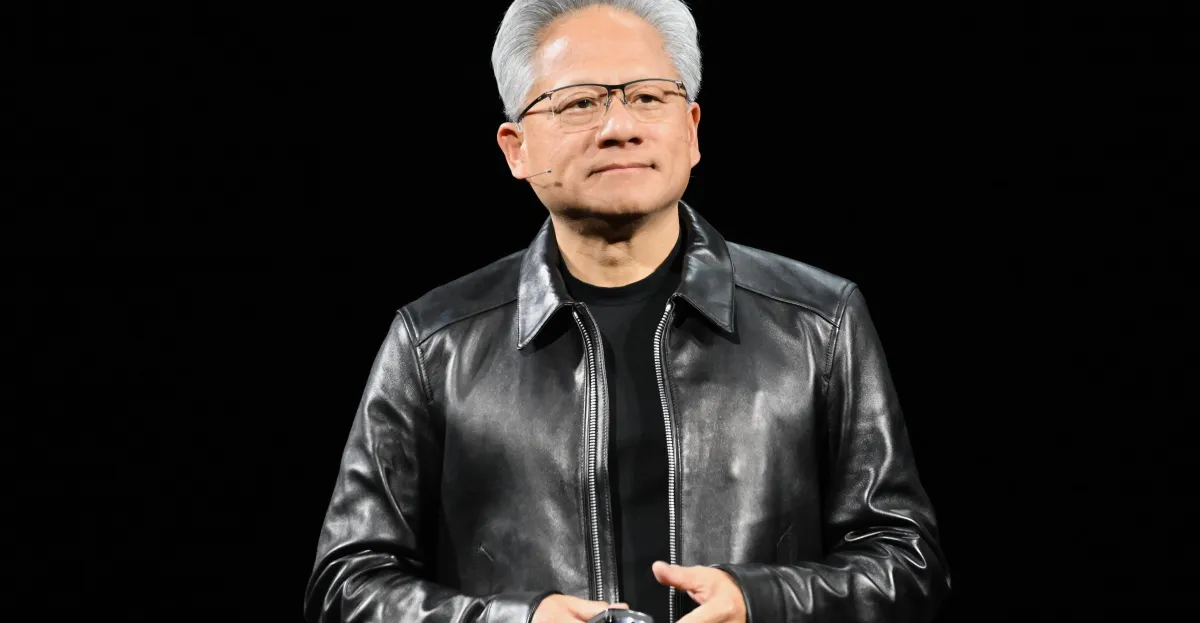
Nvidia said Jensen Huang resigned as chief executive and left the board on Nov. 12, 2026, with longtime chief financial officer Colette Kress stepping in as interim CEO while the company searches for a permanent replacement. The move jolts one of the most important suppliers in artificial intelligence and raises immediate questions about governance, continuity and confidence at the center of the AI-chip market.
What Nvidia said happened
According to The Verge, Huang stepped down from both the top job and the board seat on Nov. 12, 2026. The board then named Kress interim CEO as it begins reviewing internal and external candidates for the permanent role.
The company also introduced Harvey Jones as its first-ever board chair, signaling a broader reset in oversight at a moment of intense scrutiny. Nvidia framed the leadership shift as a matter of strategic continuity, saying the board remains confident in Kress’s ability to deliver for shareholders, customers and partners.
Who is running Nvidia now?
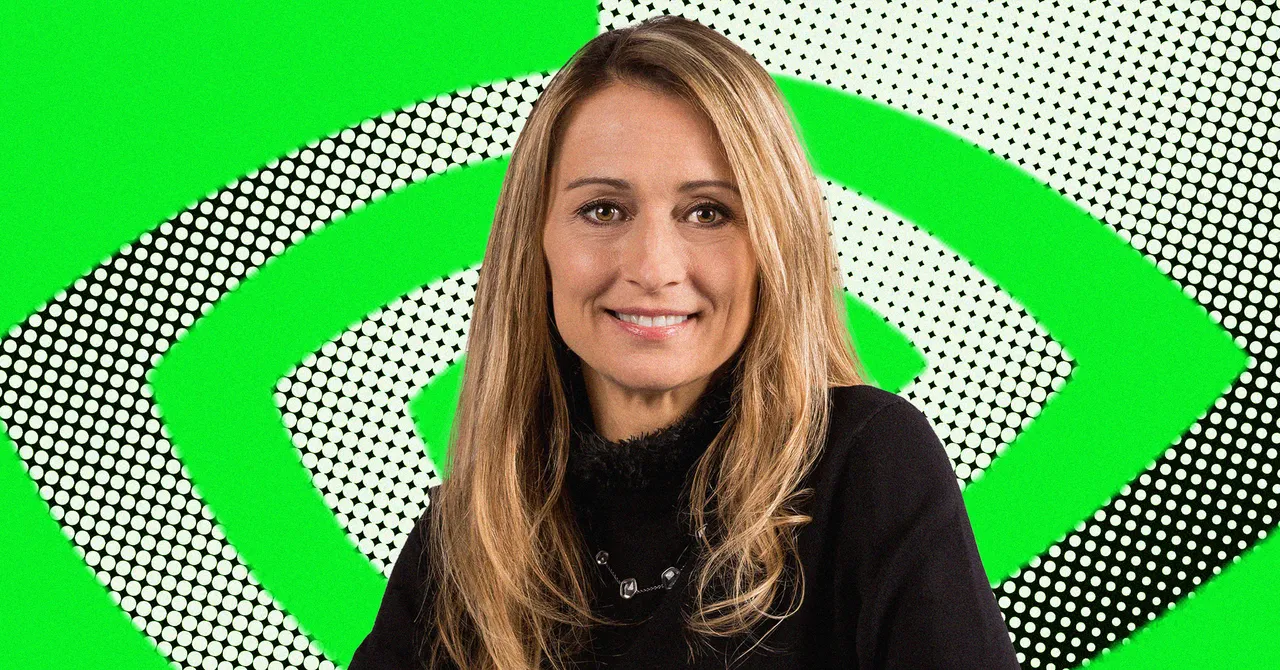
Colette Kress is running Nvidia in the interim, and she brings more than 13 years of experience as the company’s chief financial officer. That matters because she is not a new face inside the business: she has been part of its senior leadership through Nvidia’s rise from a graphics specialist into a central player in artificial intelligence infrastructure.
The board said the company’s employees, leadership team and partner ecosystem remain core strengths. Kress, in comments relayed by The Verge, told staff that the company had been through “this has been an extraordinarily difficult period” and said an employee meeting was scheduled for Nov. 18 at 9 a.m. PT. She also indicated more leadership updates would follow in coming days.
“We will continue to grow our business, and lead the industry forward.”
That line, attributed by The Verge to Harvey Jones, was meant to project stability. The question is whether the market, customers and employees will read the change that way, or whether the departure of Nvidia’s longtime public face will trigger broader uncertainty.
Why it matters
This is not a routine management shuffle. Nvidia sits at the center of the modern AI hardware stack, and its graphics processing units have become essential to training and running large AI models. When leadership changes at a company with that kind of market position, the effects can reach beyond Wall Street and into the wider AI supply chain.
For investors, the issue is not just who leads Nvidia next. It is whether the company can preserve momentum in a sector where execution, customer trust and product cadence matter as much as brand recognition. For customers and partners, the immediate concern is continuity: will Nvidia keep shipping, supporting and planning at the same pace while it searches for a permanent CEO?
There is also a governance dimension. A board-ordered leadership transition following a probe into allegations involving Huang suggests this is more than a planned succession. The board’s response signals that Nvidia wants to draw a line under the controversy quickly, but it may not have that luxury if the investigation produces further action or legal fallout.
How did Nvidia get here?
Nvidia was co-founded in 1993, and Huang became the company’s defining public figure over decades of growth. Under his leadership, Nvidia evolved from a semiconductor maker known for graphics chips into a major force in accelerated computing and artificial intelligence infrastructure.
That rise put the company at the heart of a broader technology shift. The GPU, once associated mainly with gaming and graphics, became central to AI model training and inference. As demand for AI compute surged, Nvidia’s role expanded from supplier to strategic bottleneck, making its management and governance decisions more consequential than ever.
The current transition, according to The Verge, follows a board probe into allegations involving Huang’s extramarital affairs with a direct report and an alleged Chinese spy. The fact sheet does not say what the probe concluded, only that it preceded the resignation. That is a critical distinction: the company has acknowledged the leadership change, but not the full substance of any findings.
Background: a founder departure with unusual weight
Founder exits are always disruptive, but this one carries extra weight because of Huang’s role in both Nvidia’s identity and its market standing. He was not just the CEO; he was the face of a company whose products are now woven into the AI boom. Replacing that kind of figure is difficult in any industry, and especially difficult in one as technically demanding and strategically sensitive as semiconductors.
Kress’s appointment as interim CEO suggests the board chose continuity over an outside reset, at least for now. Her long tenure as CFO gives her visibility into Nvidia’s finances, operating discipline and relationships with investors. That may help steady the company while the board evaluates whether to promote from within or bring in an external executive.
| Milestone | Date | What happened | Why it matters |
|---|---|---|---|
| Nvidia co-founded | 1993 | Jensen Huang helped found Nvidia | Marks the start of the company Huang would lead for decades |
| Leadership change | Nov. 12, 2026 | Huang resigned as CEO and board member | Ends an era for a key AI-chip supplier |
| Interim appointment | Nov. 12, 2026 | Colette Kress was named interim CEO | Preserves management continuity while the search begins |
| Employee update | Nov. 18, 2026, 9 a.m. PT | Company meeting scheduled for staff | Next public signal of how Nvidia plans to manage the transition |
What the board is signaling
The board’s naming of Harvey Jones as its first-ever board chair is notable because it adds another layer of change at the top. In combination with Huang’s exit and Kress’s interim appointment, the board appears to be recasting Nvidia’s leadership structure while trying to preserve operational stability.
The board’s message, as described by The Verge, is that Nvidia’s core strengths remain intact: its employees, leadership team and partner ecosystem. That language is designed to reassure the market that the company’s engine is still running even as the driver changes.
At the same time, the board’s search for a permanent CEO is now the key unresolved issue. The fact sheet says internal and external candidates are under review, which suggests the board has not yet narrowed the field or chosen a succession path.
Why investors, customers and partners are watching closely
For investors, leadership at Nvidia is directly tied to confidence in product execution and market strategy. The company’s scale means that even a temporary gap in leadership can become a question about operational discipline, especially when the industry is moving quickly and the stakes around AI infrastructure remain high.
Customers and partners, meanwhile, are likely to focus on whether the transition changes Nvidia’s priorities or delivery rhythm. The company’s role in the AI ecosystem means its decisions ripple into cloud providers, model developers and other buyers of advanced chips. Any sign of distraction could prompt others in the market to reassess their own plans.
There is also a reputational layer. The board probe referenced in The Verge’s reporting may have legal or corporate governance consequences that are not yet public. Even without additional disclosures, the existence of a probe tied to the chief executive is enough to intensify scrutiny of how Nvidia handles accountability at the top.
What happens next?
The next immediate checkpoint is the Nov. 18 employee meeting at 9 a.m. PT, which Kress said would include further updates. That meeting is likely to matter because it may offer the clearest near-term read on how Nvidia is communicating internally about the transition.
Beyond that, the board’s search for a permanent CEO is the central story to watch. The company has said internal and external candidates are being reviewed, but it has not set a timeline for naming a successor. Until that happens, Kress will be the public face of Nvidia’s continuity plan.
Also unresolved is whether the reported board probe will lead to any additional corporate action. The fact sheet does not indicate whether Nvidia plans to disclose more details about the alleged conduct, and that silence leaves room for speculation. If further disclosures arrive, they could shape both the succession process and the company’s standing with regulators, investors and employees.
Open questions to watch
- Who will be chosen as Nvidia’s permanent CEO?
- Will the board release more information about the probe?
- Will the leadership change affect customer or partner confidence?
- Does Harvey Jones’s new role as board chair signal a broader governance overhaul?
- How much continuity can Kress provide while still signaling her own leadership style?
By the numbers
| Figure | Context | What it tells us |
|---|---|---|
| 1993 | Nvidia was co-founded | The leadership shift closes a long chapter in the company’s history |
| 13+ years | Kress has served as Nvidia CFO | She brings deep institutional knowledge to the interim role |
| Nov. 12, 2026 | Date of Huang’s resignation | The transition was immediate, not gradual |
| Nov. 18, 2026, 9 a.m. PT | Employee meeting scheduled | Near-term communication is already on the calendar |
Bottom line
Nvidia’s sudden leadership change is about more than one executive’s resignation. It places one of the AI era’s most important companies under a sharper spotlight just as it tries to reassure employees, customers and investors that its business remains on course.
Kress now inherits a company with enormous strategic importance, a closely watched boardroom transition and unanswered questions about the fallout from the probe that preceded Huang’s departure. The next few days should show whether Nvidia can contain the disruption — or whether the leadership shock becomes a longer-running test of confidence.
Frequently asked questions
Why did Jensen Huang resign from Nvidia?
The direct answer is that The Verge reported his resignation followed a board probe into alleged extramarital affairs with a direct report and an alleged Chinese spy. The fact sheet does not say what the investigation concluded, only that it came before the leadership change.
Who is Nvidia’s interim CEO now?
The direct answer is Colette Kress. Nvidia’s board named its longtime chief financial officer as interim CEO while it reviews internal and external candidates for the permanent job.
What is Nvidia’s board doing next?
The direct answer is that it is searching for a permanent CEO and has not yet chosen one. According to The Verge, internal and external candidates are under review, and more leadership updates were expected in coming days.
How important is Nvidia to the AI industry?
The direct answer is that Nvidia is one of the most important suppliers of AI infrastructure. Its GPUs are central to training and inference for modern AI systems, which gives leadership changes at the company unusual weight across the market.
When will Nvidia employees hear more?
The direct answer is Nov. 18, 2026, at 9 a.m. PT. Colette Kress told staff that a company meeting was scheduled for that time and that further leadership updates would come in the days ahead.