In short
Nvidia reinstated Jensen Huang as CEO on Monday after a brief ouster tied to conduct concerns and board scrutiny. The move may calm the company, but it leaves open questions about foreign-intelligence allegations, China sales, and congressional testimony.
- Nvidia restored Jensen Huang as CEO, president and board director on Monday.
- The reversal came 11 days after the board accepted his resignation over conduct and candor concerns.
- The board is still investigating possible foreign-intelligence involvement, with Huang cooperating.
- U.S. lawmakers are expected to question Huang next week.
- TechCrunch reported Nvidia will stop selling H200 chips in China.
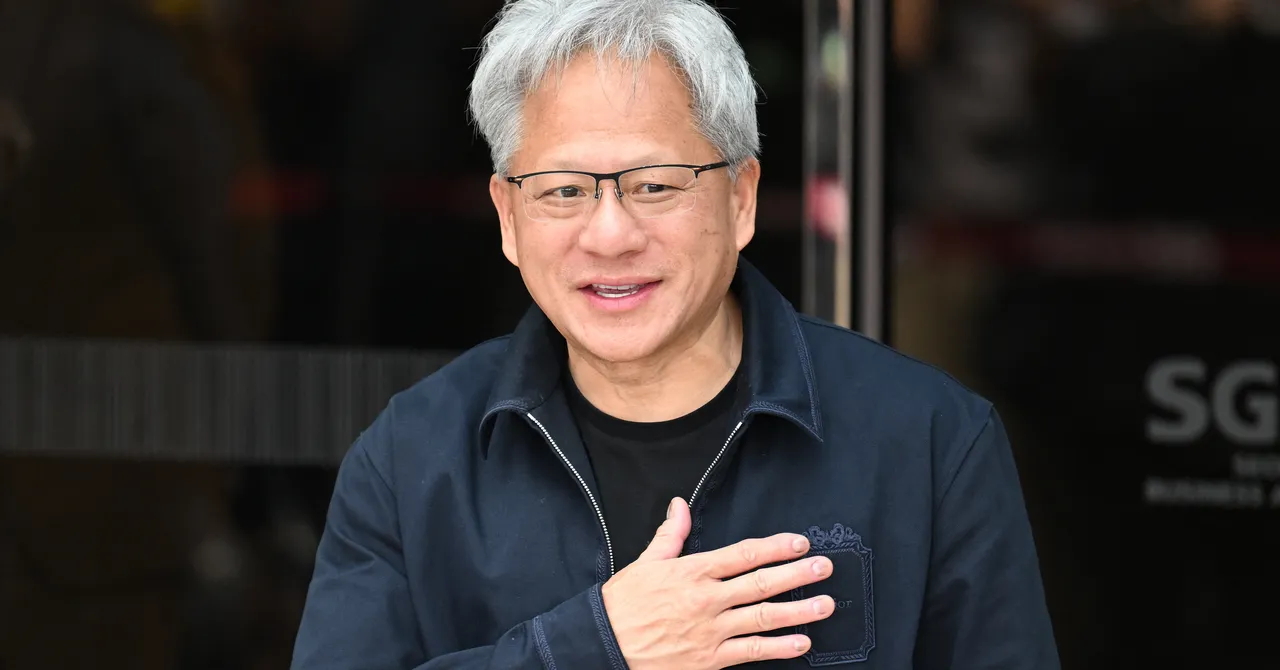
Nvidia reinstated Jensen Huang as chief executive on Monday, ending an 11-day removal that had jolted the chipmaker’s leadership and intensified questions about conduct, governance and geopolitics at the center of the AI boom.
The board brought Huang back after accepting his resignation earlier this month over personal-behavior and candor concerns, according to WIRED and The Verge. The return matters because Nvidia sits at the heart of the global artificial-intelligence buildout, and any instability around its leader can spill into investor confidence, employee morale, congressional scrutiny and U.S.-China tech tensions.
What changed at Nvidia?
Nvidia’s board reversed course and restored Huang as CEO, president and board director on Monday, with The Verge reporting that the directors voted unanimously. That reset followed a brief but unusually public leadership rupture for one of the most closely watched companies in technology.
WIRED reported that Huang was previously removed after the board accepted his resignation earlier this month. The stated reasons were not about product strategy or earnings misses. They centered on concerns over conduct, candor and a set of personal-behavior allegations that had spread through the company and the press.
Huang addressed employees at his first all-hands meeting after returning, and he did so in unusually personal terms. According to WIRED, he apologized and said he had made serious personal mistakes. In one of the few direct quotations from that meeting, he told staff: “This is going to be the hardest company meeting I’ve ever done, and the second hardest meeting I have ever done.”
Why did the board reverse itself?
The board’s explanation, as described by The Verge, was that it had become satisfied with Huang’s candor and leadership after a series of meetings and discussions. That is a notable turnaround because the board had earlier signaled he was not coming back.
The reversal also appears to have been shaped by external pressure. The Verge reported that more than 200,000 people signed a letter urging Huang’s return, suggesting that public and internal support for the founder-chief executive remained substantial even as scrutiny mounted.
There was also a political dimension. According to The Verge, board members said input from senior U.S. government figures led them to conclude that reinstating Huang would not create a national-security risk. That point matters because Nvidia’s chips sit squarely inside U.S. export-control debates, especially when sales to China are involved.
How did employees react?
Employees did not respond with a single voice. WIRED reported that some welcomed Huang’s return, while others remained uneasy. That split is not surprising for a company where the CEO is both a founder figure and the public face of a massive business now under a microscope.
Huang’s own apology suggests the company understood that the issue was larger than a standard leadership transition. At a firm of Nvidia’s size and importance, personal conduct questions at the top can become institutional questions quickly, especially when the board has already intervened once.
What makes the allegations so sensitive?
The underlying controversy carried two separate but overlapping risks: reputational damage and geopolitical exposure. WIRED reported that the scandal was linked to extramarital affairs, including one involving a woman alleged to have ties to Chinese intelligence services. The Verge went further, saying the resignation followed reports of affairs with an alleged Chinese spy and two Nvidia employees.
Those claims are sensitive not only because they involve the chief executive of a major company, but because they intersect with foreign-intelligence concerns that can trigger broader inquiries. The Verge said the board’s investigation into a possible Chinese spy plot is still continuing and that Huang is cooperating. WIRED similarly reported that the board continues to investigate whether Huang was targeted by foreign intelligence.
That leaves Nvidia in a delicate position. It must manage an internal leadership reset while also answering questions that could extend into national-security, disclosure and compliance territory.
Why it matters
This is not just a boardroom story. Nvidia is one of the most important companies in the AI era, and Huang is closely identified with its rise. When a company that supplies essential chips for artificial intelligence faces a governance crisis, the effects can reach far beyond Silicon Valley.
For investors, the issue is stability. The Verge reported that Nvidia shares fell during Huang’s absence, underscoring how much confidence in the company is tied to his leadership. For employees, the issue is trust: a company can survive a scandal, but it is harder to function smoothly when people inside it disagree about the CEO’s return.
For policymakers, the issue is national security and export control. Nvidia’s business is already subject to U.S. restrictions on some advanced chip sales to China. Add allegations involving foreign intelligence, and the scrutiny becomes more intense. That is one reason Huang’s expected appearance before Congress next week, as WIRED reported, is so important.
For the broader AI market, the episode is a reminder that the sector’s most valuable companies are now exposed to the same kinds of political and legal risks that once seemed reserved for defense contractors, banks or telecom operators.
Background: how Nvidia got here
Nvidia is a major chipmaker central to the AI boom, and that position has made its leadership unusually consequential. Its chips are widely used for training and running advanced AI systems, which means the company’s fortunes have become entwined with the pace of artificial intelligence adoption across the industry.
That prominence has also put Nvidia under a brighter spotlight from regulators and lawmakers. U.S. export controls restrict some advanced chip sales to China, and any company operating in that space must navigate not only trade policy but also the risk that disclosures, sales practices or foreign contacts will become matters of public record.
Against that backdrop, the board’s earlier decision to accept Huang’s resignation looked extraordinary. The board can accept or reverse a resignation, of course, but doing so in such a compressed timeframe reflects just how quickly the situation changed. According to WIRED, the gap between resignation and reinstatement was 11 days.
Then came a second layer of pressure. TechCrunch reported that Nvidia also told investors it would stop selling H200 chips in China. TechCrunch further said the company dismissed calls to bring Huang back as CEO. Taken together, those details suggest the company was trying to manage separate fronts at once: leadership continuity, investor messaging and China policy.
How the reporting differs
The basic facts are aligned across the outlets, but they emphasize different parts of the story. WIRED focused on Huang’s apology, the personal-behavior backdrop and the possibility of a foreign-intelligence angle. The Verge emphasized the board’s unanimous vote, the letter from more than 200,000 supporters and the lack of national-security risk, while also noting that the board investigation continues. TechCrunch highlighted the China business consequences, including the end of H200 sales in China.
That difference in emphasis matters because it shows how broad the story has become. It is not just about one executive’s return. It is about governance, geopolitics, compliance and the AI supply chain all landing on the same company at once.
Timeline of the leadership reversal
| Date | What happened | Why it matters |
|---|---|---|
| Earlier this month | Nvidia’s board accepted Huang’s resignation | Triggered the leadership crisis and opened the door to outside scrutiny |
| Last Tuesday | The Verge said the board still indicated Huang was not coming back | Showed how quickly the internal position later changed |
| Monday | The board reinstated Huang as CEO, president and board director | Restored Nvidia’s founder-chief executive to the top job |
| Tuesday | Huang apologized to employees at his first all-hands after returning | Signaled the company was trying to reset internally |
| Next week | U.S. lawmakers are expected to question Huang before Congress | Could extend the story from corporate governance into public policy |
What happens next?
The immediate question is whether Huang’s return stabilizes Nvidia or prolongs the uncertainty. The board’s decision may calm some employees and investors, but it does not end the larger issues surrounding the company.
One key unknown is the outcome of the board’s investigation into the possible Chinese spy plot. The Verge said Huang is cooperating, but that does not resolve what the board may conclude or whether any findings will affect company policy.
Another open question is the status of lawsuits and other probes over Nvidia’s disclosures and export-control compliance, which WIRED said remain active. Those processes can move slowly, but they may shape how regulators and investors judge the company’s handling of the episode.
China policy is also unresolved. TechCrunch’s report that Nvidia would stop selling H200 chips in China suggests the company may already be adjusting its approach, but it is unclear whether that change marks the end of a broader shift or just one step in a longer recalibration.
Then there is Congress. WIRED said lawmakers expect Huang to testify next week. If that happens, it could force the CEO to address not just the board dispute, but also questions about exports, internal controls and the foreign-intelligence allegations that have shadowed the company.
What to watch in the coming days
- Whether Huang appears before Congress as expected next week.
- What, if anything, Nvidia says about the ongoing board investigation.
- Whether the company offers more detail on H200 sales in China.
- Whether lawsuits or regulatory inquiries expand around disclosures and export controls.
- How employees and investors react after Huang’s return and apology.
By the numbers
The details around this episode are few, but they are revealing.
| Figure | Context |
|---|---|
| 11 days | Time between Huang’s resignation and reinstatement, according to WIRED |
| More than 200,000 people | Signatories on the letter urging Huang’s return, according to The Verge |
| Next week | Expected timing of congressional testimony |
| Monday | Day the board reinstated Huang |
| Tuesday | Day Huang apologized to employees at his first all-hands after returning |
The broad takeaway is simple: Nvidia decided that restoring Huang was the best way to steady the company, even though the questions around his conduct, the board’s judgment and China-related risk have not gone away. In a business where leadership, policy and market value are tightly linked, that may buy the company time — but probably not quiet.
For now, Nvidia has its CEO back. What it does not yet have is closure.
“This is going to be the hardest company meeting I’ve ever done, and the second hardest meeting I have ever done.”
Frequently asked questions
Why did Nvidia bring Jensen Huang back as CEO?
Nvidia brought Jensen Huang back after the board said it was satisfied with his candor and leadership following meetings and discussions. The reversal also came amid support from employees and outside pressure, including a letter with more than 200,000 signatories, according to The Verge.
What was Jensen Huang removed over?
Huang’s resignation was tied to personal-behavior and candor concerns, according to WIRED. Reports linked the episode to extramarital affairs, including allegations involving a woman said to have Chinese intelligence ties, while The Verge said the resignation followed reports involving an alleged Chinese spy and two Nvidia employees.
Is Nvidia still investigating the matter?
Yes. The Verge said the board’s investigation into a possible Chinese spy plot is continuing and that Huang is cooperating. WIRED also reported that the board is still examining whether Huang was targeted by foreign intelligence.
Will Jensen Huang testify before Congress?
He is expected to testify next week, according to WIRED. If that happens, lawmakers are likely to focus on the board turmoil, Nvidia’s China business, export controls and the broader national-security questions surrounding the case.
What does this mean for Nvidia’s China business?
Nvidia’s China business appears to be under added pressure. TechCrunch reported the company told investors it would stop selling H200 chips in China, while export controls already restrict some advanced chip sales, making the company’s next steps closely watched.