In short
TechCrunch says startups have until September 18 to book an exhibit table for Disrupt 2026 in San Francisco. The package includes a branded table, team passes, app-based lead capture, and event visibility at a conference expected to draw 10,000+ attendees.
- Exhibit table bookings for TechCrunch Disrupt 2026 close on September 18 at 11:59 p.m. PT.
- The conference runs October 13–15 at Moscone West in San Francisco and is expected to draw more than 10,000 people.
- Exhibitors get a branded 6' × 30" table, 10 passes, lead capture tools, press-list access, and event visibility.
- TechCrunch is also offering the broader conference to attendees who want to see 300+ startups, stages, and networking features.
Startup teams have until September 18 at 11:59 p.m. PT to book an exhibit table for TechCrunch Disrupt 2026, the three-day conference in San Francisco that draws thousands of founders, investors, operators, and tech buyers. The deadline matters because the Expo Hall is one of the event’s most direct routes to leads, press attention, and investor conversations.
TechCrunch says the next Disrupt will run October 13–15, 2026 at Moscone West and is expected to bring together more than 10,000 attendees for startup showcases, fundraising discussions, networking, and product demos. For companies trying to put their products in front of people actively scouting for new startups and tools, the exhibit floor is being pitched as a high-visibility launchpad.
The countdown also underscores a broader reality for early-stage companies: live events remain one of the fastest ways to compress months of outreach into a few days of face-to-face meetings. That is especially true at a conference like Disrupt, where founders, investors, media, and enterprise decision-makers all gather under one roof.
What is TechCrunch Disrupt 2026?
TechCrunch Disrupt 2026 is the annual startup conference and exhibition organized by TechCrunch, and it is scheduled to take place in San Francisco from October 13 through October 15. The event is designed as a concentrated meeting point for early-stage companies, venture capital firms, product leaders, and people looking for the next wave of technology businesses.
According to TechCrunch, the event will host 10,000+ founders, investors, operators, and tech leaders over three days. The program combines stage sessions, Expo Hall demos, networking, and pitch competition activity, with the goal of connecting startups to customers, capital, and strategic partners.
Why the Expo Hall matters
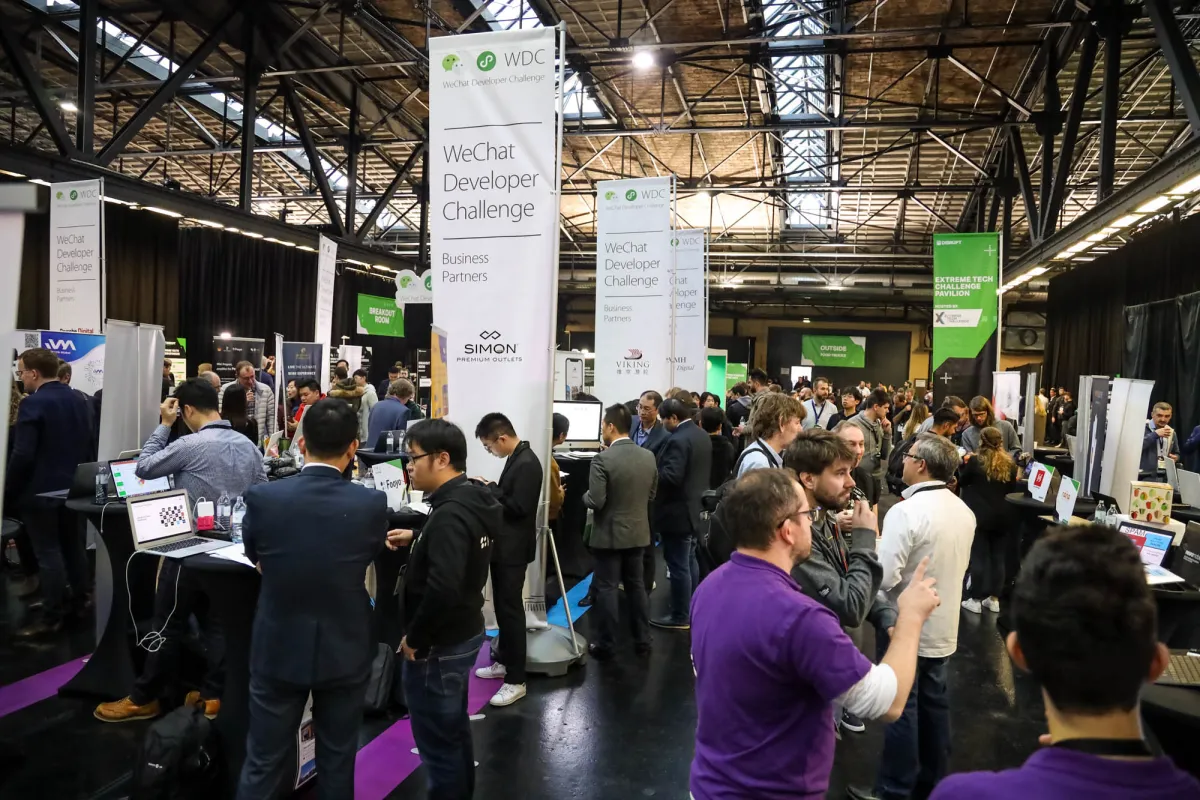
The Expo Hall is where startups can turn passive event attendance into active business development. Rather than simply showing up for panels and receptions, exhibiting companies get a physical presence on the floor and a steady stream of traffic from attendees who are already there to discover new products.
For many early-stage teams, that visibility can matter as much as a speaking slot or a press mention. A strong exhibit table can create conversations that lead to pilots, funding introductions, recruiting opportunities, and follow-up meetings after the conference ends.
TechCrunch is positioning the exhibit floor as a way for startups to show products directly to people looking for companies to back, software to buy, or teams to partner with.
How does exhibiting at Disrupt work?
Exhibiting at Disrupt gives a startup a branded table in a high-traffic section of the conference for the entire event. The package centers on in-person interaction, allowing teams to demonstrate products, field questions, and collect contact information while the event is underway.
The standard exhibit setup includes a 6-foot by 30-inch branded table, giving companies a compact but visible footprint inside the Expo Hall. That table is meant to function as both a demo station and a meeting point for attendees who want to learn more about the business.
What exhibitors get
TechCrunch says exhibit table bookings come with a bundle of promotional and operational benefits designed to help startups maximize event ROI. These include attendance passes for staff, visibility inside the event’s digital and physical channels, and access to post-event follow-up tools.
- Lead generation through the Disrupt app so teams can capture contacts and continue conversations later
- 10 team passes so staff can rotate coverage, attend sessions, and hold meetings
- Branding across the website, event app, and signage for additional exposure
- Access to the TechCrunch Disrupt press list to support media outreach
- Company profile on the event website and mobile app for attendee discovery
- Silver Tier sponsor designation with added event recognition
The emphasis is clear: exhibiting is not just about standing behind a table. It is a package intended to place a startup inside the conference’s business pipeline, where prospecting, branding, and networking happen in parallel.
Why does the deadline matter now?
The deadline matters now because inventory is limited and the booking window is nearly closed. TechCrunch says the final day to reserve an exhibit table is Friday, September 18 at 11:59 p.m. PT, leaving only a narrow window for startups still weighing whether the cost is worth the exposure.
For companies that rely on conference season to secure customers and investor meetings, missing the cutoff could mean waiting until the next major event cycle. At the same time, the deadline creates urgency for teams already planning their fall marketing calendars, especially those using San Francisco events to coordinate demos, fundraising outreach, and press briefings.
| Key Detail | Disrupt 2026 Exhibit Table | Why It Matters |
|---|---|---|
| Booking deadline | September 18, 2026 at 11:59 p.m. PT | Last chance to secure a table |
| Event dates | October 13–15, 2026 | Three full days of exposure |
| Location | Moscone West, San Francisco | Central venue for high-density traffic |
| Expected attendance | 10,000+ attendees | Large pool of prospects and partners |
| Exhibit setup | 6′ × 30″ branded table | Dedicated space for demos and meetings |
Who should consider exhibiting?
Startups that want direct access to decision-makers are the clearest fit for an exhibit table. The event is being marketed to founders who need customers, fundraising introductions, hiring visibility, or strategic partnerships, and the Expo Hall is built around those goals.
That makes the exhibit option especially relevant for companies in early commercialization, seed-stage teams trying to validate their product, and startups that want to accelerate pipeline generation during a concentrated industry moment. Companies with a live product demo, enterprise software pitch, or consumer launch can use the setting to convert curiosity into meetings.
Best-fit use cases
- Customer acquisition — software or services startups looking for qualified leads
- Fundraising outreach — teams aiming to meet investors in a focused environment
- Partnership development — companies seeking channel, platform, or integration deals
- Recruiting — startups building talent pipelines and employer brand visibility
- Product launch — businesses wanting immediate feedback and press interest
In practical terms, the event serves as a marketplace of attention. Startups that can quickly explain their value proposition, demonstrate their product, and collect next steps are most likely to benefit.
What else is happening at Disrupt 2026?
Even for companies that do not book a table, Disrupt is still being framed as a major industry gathering worth attending. TechCrunch says the event will feature more than 300 startups exhibiting across industries, along with six industry stages, networking features, and Startup Battlefield 200.
One of the event’s key draws is its emphasis on matchmaking and dealmaking. TechCrunch is also highlighting AI-powered matchmaking, suggesting that attendees will be able to connect more efficiently with people relevant to their goals, whether those goals are funding, hiring, partnerships, or product discovery.
For attendees, not just exhibitors
Companies that are not ready to commit to a table can still use the conference to meet the ecosystem where it gathers. The event package is broad enough to appeal to founders who want to scout competitors, investors looking for fresh opportunities, and executives searching for startups to buy or partner with.
That broader accessibility helps explain why the exhibit floor is so valuable. If thousands of high-intent attendees are already planning to walk the show, then a visible table becomes a prime location to capture attention from people who have come specifically to find new companies.
How much value does a table offer?
A table can be a relatively small physical asset with outsized strategic value if a startup arrives prepared. The real return comes from volume and repetition: the more qualified conversations a team can have during the event, the more likely it is to generate follow-up meetings, product interest, and investor introductions.
The event bundle also tries to reduce the friction that often limits conference ROI. With app-based lead capture, event branding, and staff passes included, exhibitors can move beyond casual introductions and build a more structured pipeline from the show floor.
Still, the value depends on execution. Teams with weak messaging, no demo plan, or insufficient staffing may struggle to turn foot traffic into meaningful conversations. By contrast, startups with clear positioning and a strong event strategy can use the table as a business development engine.
What makes the package notable
Three things stand out about the exhibit offer: access, visibility, and follow-up infrastructure. Access comes from the event’s concentration of founders and investors. Visibility comes from the physical table and digital listings. Follow-up infrastructure comes from the Disrupt app and branded attendee touchpoints.
Together, those features make the table more than a piece of booth furniture. It is effectively a multi-channel promotional package inside a concentrated startup marketplace.
What is the timeline for startup teams?
The timeline is compressed, which is part of the reason the event is being promoted with a countdown. Startups have to decide quickly whether to reserve a table, finalize staffing plans, and prepare demos in time for the October conference.
| Date | Milestone | Implication |
|---|---|---|
| September 14, 2026 | Booking reminder published | Final stretch begins for exhibitors |
| September 18, 2026 | Exhibit table deadline | Last day to secure a booth presence |
| October 13, 2026 | Disrupt 2026 opens | Expo Hall and sessions begin |
| October 15, 2026 | Conference concludes | Exhibitors move into follow-up and conversion |
That sequence leaves just a few days for final decisions before the booking window closes. After that, teams interested in exhibiting will have to wait for future TechCrunch events or pursue other sponsorship opportunities.
How TechCrunch is marketing Disrupt 2026
TechCrunch is presenting the conference as a place where startups can find traction quickly, rather than as a traditional trade show. The language around founders, investors, operators, product discovery, and dealmaking suggests an event built around practical business outcomes instead of passive attendance.
The focus on startup visibility is also reflected in the emphasis on the Expo Hall. By encouraging companies to show their products where high-intent attendees are already looking, TechCrunch is trying to convert the conference into a marketplace of active opportunity.
The event’s pitch centers on the idea that a startup can meet customers, investors, partners, and potential hires in one place, then use that momentum to keep the relationship moving after the conference.
Why startups still pay for live visibility
Even in an era dominated by digital marketing and virtual outreach, live events remain attractive because they compress trust-building into a short period. A face-to-face conversation often moves faster than an email chain or a social media follow, especially when a product is hard to explain or the buyer journey is long.
For startups, the combination of crowded audience, concentrated attention, and embedded media presence can be especially valuable. The right event can create a burst of awareness that supports sales, fundraising, and recruiting all at once.
Disrupt’s annual profile makes it particularly appealing in that respect. The audience is not random; it is intentionally made up of people who attend startup conferences to discover what is new and what is next.
What startups should do before the deadline
Teams that are considering a table will need to move quickly. Before booking, they should be realistic about their staffing, messaging, and follow-up strategy so the event does more than generate temporary buzz.
- Define the goal — decide whether the priority is leads, investors, press, or hiring
- Prepare a live demo — make it easy for visitors to understand the product in under a minute
- Train the team — ensure everyone can answer the same core questions consistently
- Plan the follow-up — capture contacts and schedule next steps before the event ends
- Use the passes strategically — balance table coverage with networking and meetings across the venue
Those steps can help a startup turn the exhibit floor into an actual commercial channel rather than a branding expense. In a setting built around speed and discovery, preparation often separates the memorable exhibitors from the ones that blend into the crowd.
The bottom line for startups
For startups that want to make a strong impression at one of the year’s biggest tech gatherings, the window to reserve an exhibit table at TechCrunch Disrupt 2026 is almost closed. The deadline arrives on September 18 at 11:59 p.m. PT, and the payoff is a chance to meet customers, investors, and partners inside a conference expected to draw more than 10,000 attendees.
Even companies that do not exhibit may still find value in attending, since Disrupt will include hundreds of startups, multiple industry stages, networking, AI-powered matchmaking, and the Startup Battlefield 200. But for startups that want a visible place on the floor, the clock is nearly out.
In practical terms, the decision is no longer whether Disrupt is worth watching. It is whether a startup is ready to use the last available days to claim a spot in front of the people most likely to move its business forward.
Frequently asked questions
When is the deadline to book an exhibit table for TechCrunch Disrupt 2026?
The deadline is September 18, 2026, at 11:59 p.m. PT. After that cutoff, startups are no longer guaranteed a chance to reserve an exhibit table for the conference’s Expo Hall floor.
Where and when is TechCrunch Disrupt 2026 taking place?
TechCrunch Disrupt 2026 is scheduled for October 13–15, 2026, at Moscone West in San Francisco. The event is a three-day gathering focused on startups, fundraising, product discovery, and networking.
What do exhibitors receive with a table at Disrupt 2026?
Exhibitors receive a branded 6-foot by 30-inch table, lead generation through the Disrupt app, 10 team passes, website and app branding, access to the press list, a company profile, and Silver Tier sponsor recognition.
Who should consider exhibiting at TechCrunch Disrupt?
Startups that want direct access to prospects, investors, partners, or job candidates should consider exhibiting. The table is best suited to teams that can demo a product, explain it quickly, and follow up on leads after the event.
Can companies still attend if they do not book a table?
Yes. Companies can still attend Disrupt 2026 without exhibiting and explore more than 300 startups, six industry stages, networking opportunities, AI-powered matchmaking, and Startup Battlefield 200.