In short
TechCrunch reports that Jensen Huang’s honeypot scandal may reflect a wider pattern of executive misconduct and espionage risk inside the AI-chip industry. The outlet says the semiconductor sector has long faced trade-secret theft and that the latest case could point to a broader governance problem.
- TechCrunch says the Huang scandal may be a symptom of wider AI-chip espionage risk, not an isolated incident.
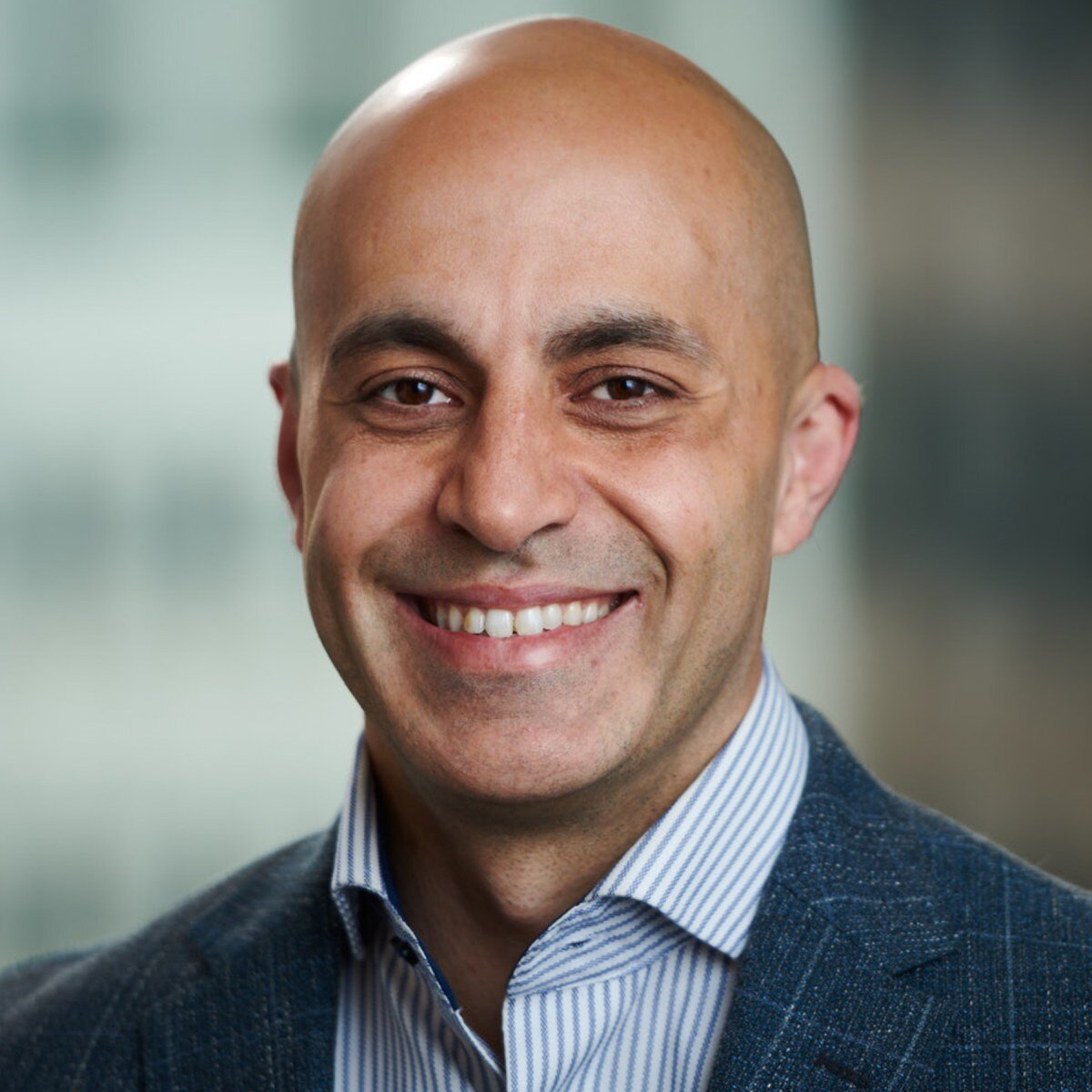
- Heron Intelligence CEO Nate Singer said he has seen at least three similar reports and suspects many more go unreported.
- The report cites dozens of recent semiconductor trade-secret prosecutions, including cases from 2006 and 2017.
- The story raises questions about executive vetting, board oversight and the security of sensitive chipmaking knowledge.
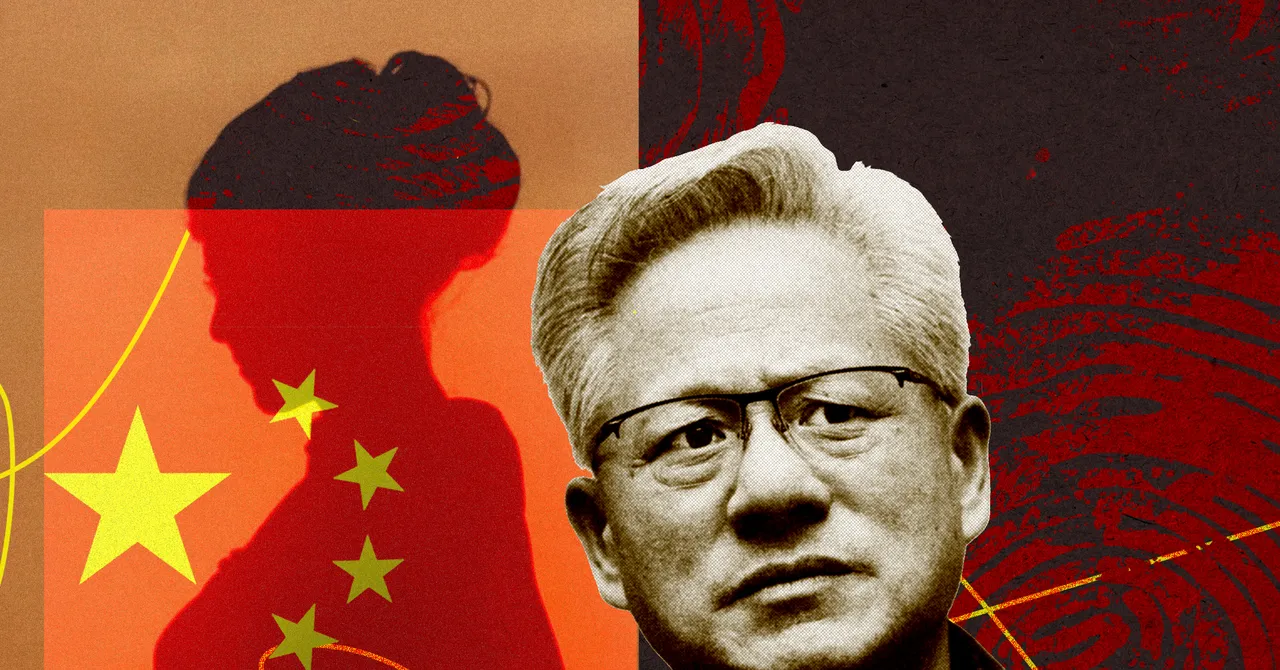
Nvidia chief executive Jensen Huang’s honeypot scandal is being described by TechCrunch as a symptom of a much wider problem in the AI-chip business: espionage risk and executive misconduct that can reach far beyond one company or one incident. The publication’s report says some industry figures believe the issue is broader than Huang and may already be embedded across the sector.
What TechCrunch says is happening
TechCrunch reports that the controversy around Huang is still reverberating through the AI industry, but the more consequential story may be the pattern it exposes. The outlet says some executives and due-diligence specialists now see a mix of personal misconduct, weak vetting and foreign intelligence interest converging around semiconductor companies, which are among the most valuable targets in global technology.
That matters because chip companies do not just build hardware. They also hold manufacturing know-how, product roadmaps and trade secrets that can determine who wins the next phase of the AI race. In that setting, a private scandal involving executives can quickly become a corporate security issue.
How broad does the risk appear to be?
According to TechCrunch, the risk appears broader than a single headline case. Nate Singer, CEO of Heron Intelligence, told the outlet that his due-diligence work has surfaced senior-level misconduct reports and that executives are “really crossing lines that should not be crossed.”
Singer said he has seen at least three similar reports, and he believes many more have gone unreported. He also suggested that some senior people in the industry know about the behavior and are effectively tolerating it rather than confronting it.
“We’ve got former employees talking about behavior at senior executive levels”
In the report, Singer pointed to a LinkedIn post describing a CEO’s wife confronting board members after a corporate-jet trip involving young women. He said the women in that case turned out to be state-sponsored actors, an allegation that underscores why personal misconduct can intersect with espionage concerns in a sector built on secrecy and access.
Why it matters
For readers, investors and companies tied to the AI supply chain, the story is about risk exposure, not gossip. If executives can be compromised, manipulated or quietly blackmailed, the consequences can run from reputational damage to the loss of trade secrets that take years to develop.
For semiconductor firms, the stakes are especially high. TechCrunch notes that these companies remain prime targets for international trade-secret theft, and that the industry has seen dozens of prosecutions in recent years tied to similar conduct. That history suggests the current scandal is less an anomaly than the latest signal that the sector’s security perimeter may be thinner than it appears.
For the wider market, the issue could affect how boards screen leaders, how companies monitor travel and personal relationships, and how acquirers assess target companies before deals. Due diligence is not just a finance exercise here; it is increasingly a security function.
Why semiconductors are such attractive targets
Semiconductor companies sit at the center of national competitiveness because chips and manufacturing processes are strategic assets. TechCrunch’s framing reflects a long-standing reality in the tech sector: state-linked espionage, industrial theft and executive compromise are often intertwined when the prize is advanced hardware or production know-how.
That is why even a report that begins with a personal scandal can quickly broaden into a question about corporate defenses. If access to senior leaders can be exploited, the threat is not limited to one office or one trip; it can extend to boardrooms, R&D plans and manufacturing pipelines.
Background: a long history of trade-secret theft
TechCrunch places the current discussion against a long record of semiconductor espionage cases. The article cites dozens of prosecutions in recent years for trade-secret theft in the sector, showing that this is not a theoretical problem or a one-off scandal cycle. The pattern has deep roots.
The report points to a 2006 TSMC-related case as an early example of the kind of dispute that has shaped security thinking in the chip industry. It also cites a 2017 indictment involving four executives at an unnamed Bay Area semiconductor equipment maker. In that case, prosecutors alleged theft of wafer-manufacturing trade secrets for use at a competitor in China.
Taken together, those examples show why investigators, compliance teams and boardrooms view semiconductor secrecy as a strategic asset. Once manufacturing knowledge leaves a company, it can be hard, if not impossible, to get back.
| Year | Event | Why it matters |
|---|---|---|
| 2006 | TSMC-related trade-secret case cited by TechCrunch | An early reminder that chip know-how has long been a target |
| 2017 | Four executives at a Bay Area semiconductor equipment maker were indicted | Prosecutors alleged theft of wafer-manufacturing secrets for use at a China competitor |
| Recent years | Dozens of prosecutions for similar theft cases | Shows how persistent semiconductor espionage concerns have become |
| 2026 | TechCrunch report on Huang scandal and broader risk | Pushes the issue from isolated scandal into a sector-wide warning |
What Singer claims to be seeing inside the industry
Heron Intelligence’s Nate Singer is one of the central voices in the report because his work focuses on due diligence — the kind of screening companies use to evaluate executives, acquisition targets and other high-risk relationships. That vantage point, TechCrunch says, has given him a look at allegations that might otherwise remain private.
He said he has seen at least three similar reports, though the outlet does not identify the companies involved. Singer’s view is that the number likely understates the scale of the problem because many cases never become public, either because victims do not speak up or because companies prefer to contain the damage quietly.
He also said some senior industry people know about the conduct and are effectively condoning it. That point matters because it shifts the question from isolated bad behavior to institutional tolerance. If leadership shrugs off warning signs, the vulnerability compounds.
“There’s a lot more than this one woman”
The statement encapsulates Singer’s core point: the scandal that drew attention may not be unique at all. Instead, it may be one visible example of a recurring pattern involving access, influence and poor oversight at the top of companies handling sensitive technologies.
How could executive misconduct become a security threat?
Executive misconduct becomes a security threat when access, secrecy and leverage intersect. Senior leaders often travel frequently, meet investors and partners, and receive privileged briefings about technical and financial plans. That makes them attractive targets for manipulation, whether the motive is espionage, theft or personal gain.
In semiconductor and AI-chip companies, the risk is amplified because the information at stake is unusually valuable. Manufacturing processes, chip designs and supplier relationships can be more sensitive than traditional corporate information, and they often have strategic value well beyond a single company’s balance sheet.
TechCrunch’s report suggests that the industry may underestimate how much of this activity goes unreported. If so, a culture of silence can become part of the problem: the fewer incidents that surface, the easier it is for companies to assume the risk is contained.
Possible consequences for companies
- More aggressive executive vetting and background checks
- Tighter controls on travel, expense use and access to sensitive meetings
- Greater scrutiny of personal relationships that could create leverage
- Expanded board oversight of security and reputational risk
- More attention to foreign influence and trade-secret exposure
Why this story reaches beyond Nvidia
Nvidia’s CEO is the most prominent name tied to the current scandal, but TechCrunch’s central argument is that the implications are broader than one executive or one company. If the report is right, AI-chip companies across the industry may need to treat personal conduct and espionage risk as connected concerns rather than separate problems.
That is especially relevant because semiconductor firms do business across borders and rely on layered networks of suppliers, contractors and partners. Every extra layer can create another point of exposure. A compromise at the top may travel quickly through that network.
The issue also matters for startups and smaller suppliers that may not have the compliance infrastructure of larger firms. A weak internal culture or limited oversight can make them easier to exploit, even if they are not the most visible names in the market.
What happens next
For now, the key unanswered questions are straightforward: what specific conduct lay behind the Huang scandal, whether any legal action follows, and how many of the broader cases Singer describes can be independently verified. TechCrunch says those questions remain open.
Another question is whether regulators or law enforcement will take up the broader pattern. The fact sheet does not identify any active investigation, but the history of semiconductor prosecutions suggests that trade-secret claims can move from private complaint to criminal case if evidence is strong enough.
What to watch next:
- Whether any company names or executives are publicly tied to Singer’s alleged similar cases.
- Whether boards and investors demand stronger vetting rules for senior leadership.
- Whether the scandal prompts new disclosure or compliance standards inside chip companies.
- Whether authorities confirm or reject any of the underlying espionage allegations.
If the report’s broader warning holds up, this could become less a story about one scandal than a sector-wide reckoning over how much trust AI-chip companies place in the people at the very top.
By the numbers
TechCrunch’s reporting offers a compact snapshot of how serious the issue may be:
| Figure | Context |
|---|---|
| At least 3 | Similar reports Singer says he has seen |
| Dozens | Recent prosecutions for semiconductor trade-secret theft |
| 2006 | Year of the cited TSMC-related case |
| 2017 | Year of the cited Bay Area indictment |
| 4 | Executives charged in the 2017 case |
Context: why diligence firms matter here
Heron Intelligence’s role in the story highlights an often overlooked layer of risk management. Due-diligence firms are hired to surface red flags around people and companies before money changes hands or partnerships are formed. In sectors as sensitive as semiconductors, that work can reveal not only financial issues but also reputational and security threats.
That makes Singer’s claims notable even without public case filings attached to every example. If a firm focused on screening leadership is seeing recurring allegations at senior levels, it suggests the industry’s internal guardrails may need to be stronger.
TechCrunch’s report does not say that every allegation is proven, and it does not identify all of the companies involved. But it does make a larger point with force: the AI-chip business is vulnerable not only to outside theft, but also to the human behavior of the executives who run it.
The bottom line
TechCrunch’s report casts the Jensen Huang honeypot scandal as part of a larger security and governance problem inside the AI-chip sector. The story is about more than personal conduct; it is about how espionage, access and weak oversight can combine to threaten some of the most strategically important companies in technology.
Frequently asked questions
What is the Huang honeypot scandal about?
TechCrunch says the scandal centers on Nvidia CEO Jensen Huang and is being treated by some industry figures as a sign of broader executive misconduct and espionage risk. The outlet does not provide the underlying details of the conduct, but it says the implications may extend far beyond one person.
Why are semiconductor companies attractive espionage targets?
Semiconductor companies are attractive targets because chips and manufacturing know-how are strategic assets. Trade secrets, wafer processes and product roadmaps can carry enormous economic and geopolitical value, which is why the sector has seen repeated theft cases over many years.
What did Nate Singer say about similar cases?
Nate Singer, CEO of Heron Intelligence, told TechCrunch that he has seen at least three similar reports involving senior-level misconduct. He said many more cases may be unreported and suggested that some senior industry figures are effectively condoning the behavior.
Has semiconductor trade-secret theft happened before?
Yes. TechCrunch cites dozens of prosecutions in recent years, along with an older 2006 TSMC-related case and a 2017 indictment of four executives at a Bay Area semiconductor equipment maker over alleged theft of wafer-manufacturing trade secrets.