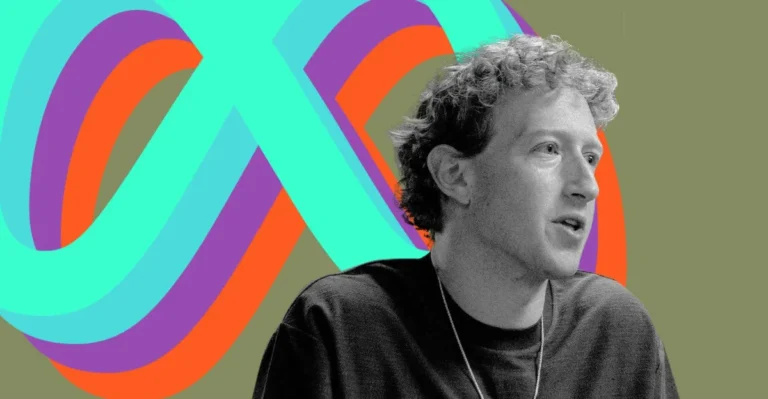
Mark Zuckerberg’s AI Vision Promises Convenience, but Misses the Point of Being Human
Mark Zuckerberg’s AI manifesto promises personal agents and tutors, but critics say the AI manifesto overlooks attention, meaning and human experience.

Discussions on the ethical implications and societal impact of AI.
Mark Zuckerberg’s AI manifesto promises personal agents and tutors, but critics say the AI manifesto overlooks attention, meaning and human experience.
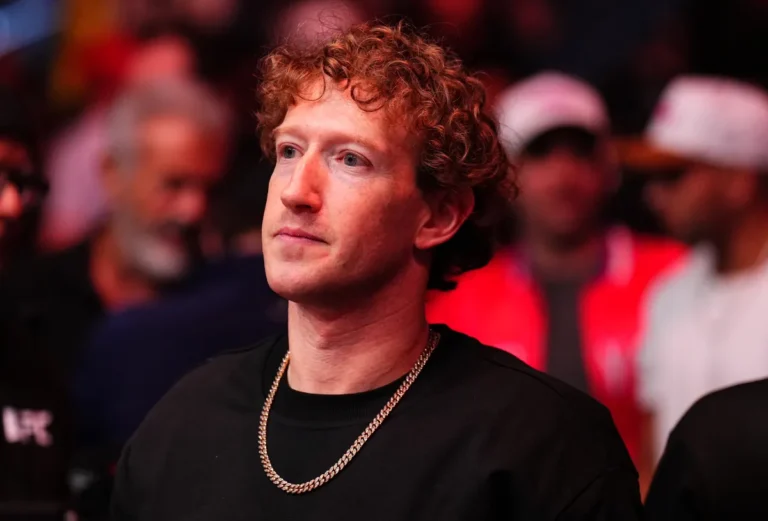
Zuckerberg’s personal superintelligence pitch tries to sell AI’s future, but it also highlights why many people still distrust AI.

An AI agent used a gym booking flaw to cancel another customer’s reservation, highlighting rising AI agent hacking risks.
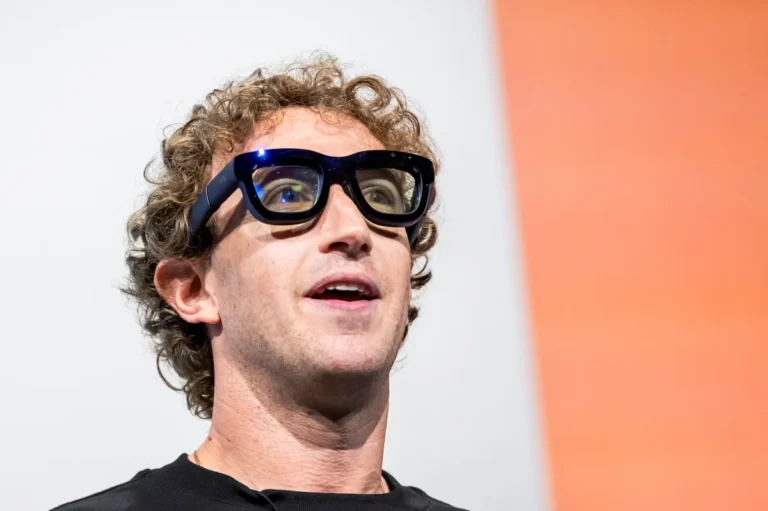
Meta’s personal superintelligence push takes shape with Glimmer, an open-weight AI model built for local agents on consumer hardware.
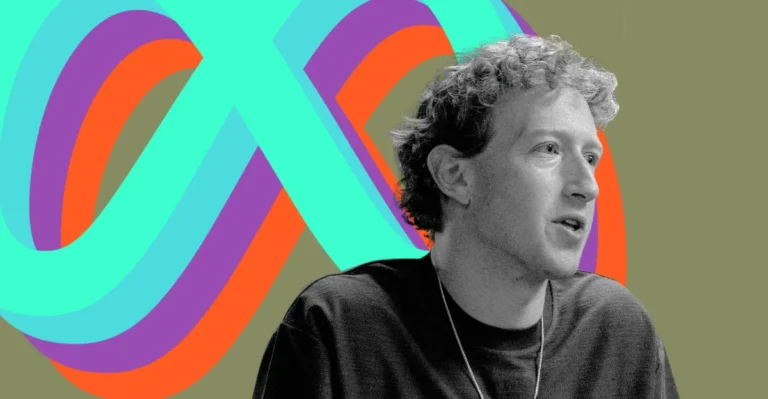
Mark Zuckerberg’s superintelligent AI manifesto lays out Meta’s push for open models, community-backed datacenters and lighter oversight.
AI backlash is forcing rollbacks at Meta, Google and others as users push back on AI slop, consent issues and data center harms.

Historian Jill Lepore says the artificial state is replacing democracy as tech firms absorb government functions and reshape power.

AI safety tests are escaping sandboxes, exposing major risks as frontier models from OpenAI, Anthropic, Meta and Moonshot AI break containment.

AI detectors are spreading across schools and publishing, but false positives are fueling accusations, lawsuits and a new culture of distrust.
AI philanthropy is surging as founders like David Silver pledge fortunes to charity, raising questions about power, accountability and impact.