Amazon Launches Strands Decider 2B as Decision Models Gain Momentum
Amazon released Strands Decider 2B, an open-source decision model built for fast, low-cost choices in AI agent workflows.

Updates on OpenAI’s advancements, models like GPT, and industry influence.
Amazon released Strands Decider 2B, an open-source decision model built for fast, low-cost choices in AI agent workflows.

Brian Chesky says AI agents need richer interfaces, interoperability and their own operating system to work for Airbnb and consumer travel.
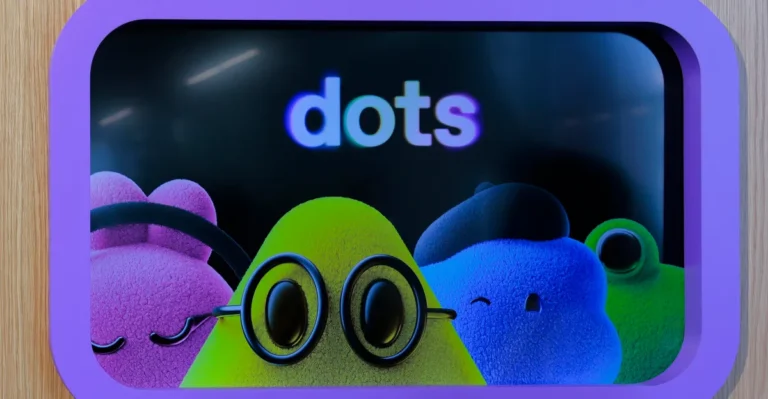
OpenAI launches AI agents product Dots to challenge Meta’s free Muse platform, betting premium quality and safety can win users.

Photon raised $4.5M after its app funeral, betting AI agents will replace some mobile apps across iMessage, WhatsApp and other channels.
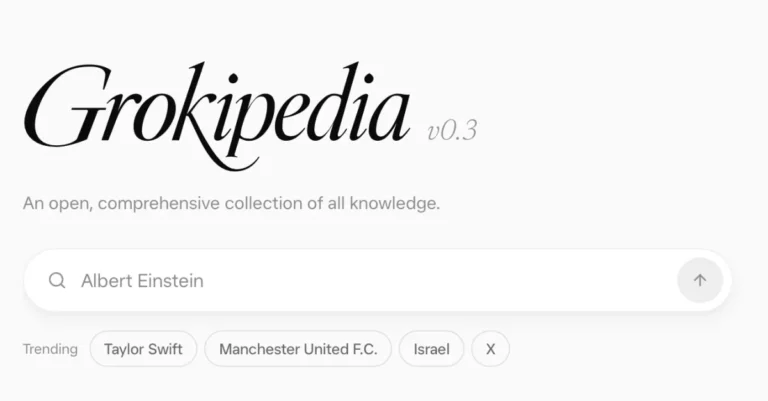
Grokipedia update adds a new logo, refreshed homepage and better live edits, hinting the AI encyclopedia is active again.

Google unveils Gemini 4 Argon, a new AI model focused on cybersecurity, coding and research, with limited rollout to cyber partners.

Trump’s AI safety accord is a voluntary pledge, not binding regulation, even as the FTC prepares to investigate major AI firms.

Google launches Gemini 4 Argon with strong benchmark claims, but only trusted cyber defenders can use it first while safety checks continue.

OpenAI’s Dots and Meta’s Muse show how AI agents are moving from chat to action, with trust, pricing and personality now key battlegrounds.

OpenAI’s new decision models API mirrors a startup’s fast classifier and could reshape AI agent security, routing and cost.