Updated July 23, 2026 5:25 pm
In short
Samsung’s first in-person smart-glasses preview adds the Snapdragon AR1 Gen 1 chip, a case with up to seven extra charges, and a privacy safeguard that stops recording if the LED is blocked, while the product remains set for a fall launch as a premium offering.
- Samsung previewed four smart-glasses frame styles developed with Google, Gentle Monster and Warby Parker.
- The company says the glasses can last up to nine hours on a charge, with the case adding seven more recharges.
- The device will support Google Gemini and Samsung Bixby, plus camera-based AI features such as translation and summaries.
- Samsung has not announced pricing or a firm release date beyond a fall launch window.
Update — July 23, 2026 5:25 pm
Samsung’s first in-person look at the smart glasses adds a few new hardware details to the picture. The company says the device will use Qualcomm’s Snapdragon AR1 Gen 1 chip, the same silicon found in Meta’s latest smart glasses, and that the charging case can provide up to seven extra charges.
Samsung also says the recording light can stop video capture if it is covered or blocked, a safeguard the company says is meant to address a broader industry privacy problem.
Jaein Choi described the glasses as a premium product, but Samsung still is not sharing a price or firm release date beyond a fall launch window.
Update — July 22, 2026 8:23 pm
Samsung has now shown the smart glasses in person for the first time, including two additional frame styles from Gentle Monster and Warby Parker. The company says more designs are still coming, and Samsung mobile chief Jaein Choi described the product as a premium offering.
The company also clarified more of the hardware: the glasses use Qualcomm’s Snapdragon AR1 Gen 1 chip, pair with a case that can deliver up to seven extra charges, and include a recording light that can shut off capture if it is covered.
Samsung has now shown off its upcoming smart glasses in public for the first time, and the early message is clear: the company wants to make AI eyewear look and feel like ordinary glasses, while promising battery life that could outlast Meta’s current smart-glasses lineup. The device, developed with Google and eyewear partners Gentle Monster and Warby Parker, is slated to arrive this fall, though Samsung is still withholding a price and exact launch date.
The first in-person look came alongside a new set of frame designs and the earliest hardware details yet. Samsung says the glasses will run for up to nine hours on a charge, with the case providing several additional recharges, a figure that could make the product more practical than many existing smart wearables if it holds up outside the demo room.
What Samsung just revealed
Samsung’s latest reveal is less about a single dramatic feature and more about proving that smart glasses can be packaged as an everyday consumer accessory. The company has now shown four frame styles in total, expanding beyond the two designs first teased at Google I/O in May.
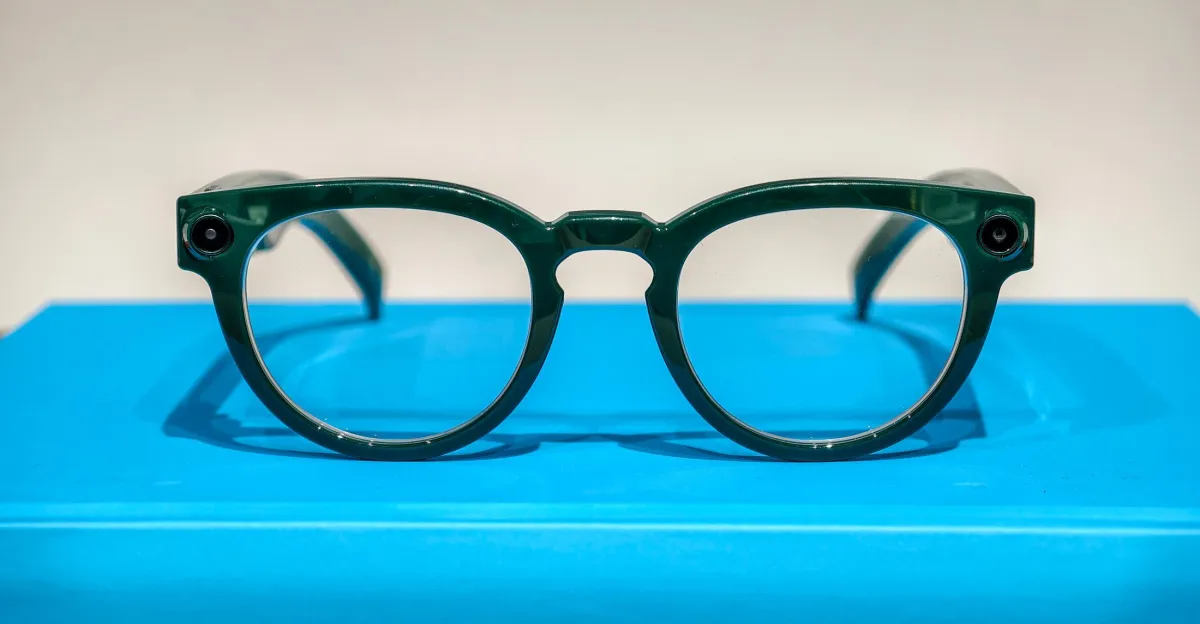
Two of the newly disclosed options come from the company’s fashion collaborators. Gentle Monster’s latest version is a squared-off black frame, while Warby Parker’s model takes a softer, red-brown rounded shape. Both add to a lineup that is intentionally understated rather than futuristic, echoing the strategy used by Meta in its Ray-Ban and Oakley partnerships.
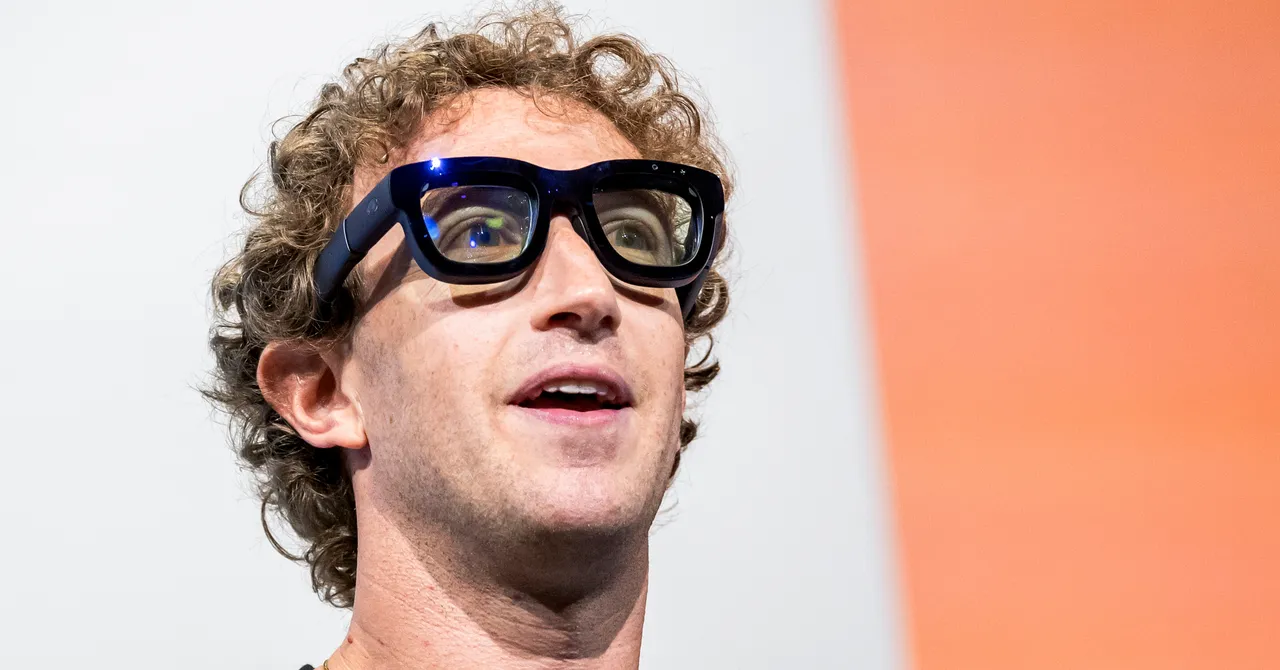
Samsung did not allow hands-on testing during the event, so this was an appearance-only preview. Even so, the frames were described as light and close in size to conventional thick-rimmed prescription glasses, with only subtle signs of the hardware hidden inside.
How do Samsung’s smart glasses look and feel?
They are designed to blend in first and advertise themselves second. Speaker and microphone openings sit along the stems, a physical button is placed on the right side, and the power control is tucked into the left arm. A camera and visible recording light are built into the front, giving the glasses the basic components expected of modern AI wearables without making them look overtly technical.
That matters because eyewear is one of the few consumer device categories where people have to tolerate constant visibility. If the product looks awkward, heavy or obviously “smart,” most users will avoid it. Samsung and its partners appear to be aiming at the opposite: a frame that could pass for regular fashion eyewear at a glance.
Samsung executives described the new designs as part of an ongoing expansion of the product line, with more frames expected later.
Why battery life could be the biggest selling point
Battery performance may end up being the most important detail Samsung has announced so far. The company says the glasses will last up to nine hours on one charge, which would place them ahead of some competing smart glasses that still struggle to make it through a full day.
The charging case is also part of the pitch. Samsung says it can provide up to seven additional charges, which suggests the company is trying to position the product less like a novelty gadget and more like a device meant for routine use throughout the workday and beyond.
That kind of endurance is critical for a wearable built around voice, translation and camera-based AI features. Short battery life is one of the biggest reasons smart glasses have not yet become mainstream. A usable battery ceiling changes how often people can keep the device on their face, where it is only useful if it is already there.
| Feature | Samsung smart glasses | Why it matters |
|---|---|---|
| Launch window | Fall 2026 | Signals Samsung is moving from teaser phase to consumer release |
| Battery life | Up to 9 hours | Better day-long usability than many current wearables |
| Charging case | Up to 7 extra charges | Extends use beyond a single outing or workday |
| Processor | Qualcomm Snapdragon AR1 Gen 1 | The same chip family used in Meta’s latest smart glasses |
| AI assistants | Google Gemini and Samsung Bixby | Gives users two assistant options instead of one |
| Privacy indicator | Recording LED | Shows when video capture is active |
Who is making these smart glasses?
The product is the result of a three-way effort that blends hardware, software and fashion branding. Samsung is handling the device platform, Google is providing AI and assistant capabilities, and Gentle Monster and Warby Parker are helping shape the frames into something stylish enough for consumers to actually wear.
That arrangement mirrors the model Meta has used successfully with its own eyewear, but with a different ecosystem behind it. Rather than locking the device to a single assistant or a single brand aesthetic, Samsung appears to be betting on choice, design variety and cross-platform familiarity.
According to Samsung mobile chief Jaein Choi, the company has additional designs in the pipeline. That matters because smart glasses are not just a device category; they are also a fashion category, and the more frames users can choose from, the easier it becomes to imagine the product on different faces and in different settings.
What role does Google play?
Google appears to be supplying much of the AI layer, including access to Gemini. The glasses will also support Samsung’s own Bixby assistant, giving the product a dual-assistant setup that could appeal to users already invested in Samsung devices as well as those who prefer Google services.
The AI features Samsung has previewed are practical rather than flashy. The glasses are expected to handle message summaries, live translation, navigation prompts and descriptions of whatever the camera sees. In other words, this is not a science-fiction headset trying to replace a smartphone; it is an assistive wearable meant to sit alongside one.
What can the glasses do?
Samsung’s feature list reflects the current state of the smart-glasses market: utility first, immersion second. The company is focusing on hands-free information and lightweight AI tasks that can be delivered quickly and quietly.
- Summarizing incoming messages
- Translating speech in real time
- Providing navigation directions
- Analyzing or describing what the camera sees
- Using voice interaction through Gemini or Bixby
These features are similar to what consumers have already seen from rival products, but the value proposition depends on execution. A translation prompt is only useful if it arrives fast. A navigation cue is only helpful if it is clear and timely. A camera-based description feature matters only if it is accurate enough to trust.
That is why Samsung’s hardware choices are just as important as the software. Better battery life, a normal-looking frame and a stable assistant experience may matter more than any individual AI demo.
How does Samsung plan to address privacy concerns?
Samsung is adopting a visible recording light and a software safeguard intended to stop capture if the light is blocked. That is the company’s answer to the criticism that has followed camera-equipped glasses since the first smart eyewear products reached consumers.
Choi said the problem is not unique to Samsung and described it as something the industry faces more broadly. The point is well taken: every smart-glasses maker has to balance useful capture features with bystander comfort, and the answer has never been simple.
Even with a recording indicator, public perception remains a major obstacle. Meta’s glasses have sometimes been mocked online and in public spaces for the privacy unease they create. Samsung’s challenge will be to show that its safeguards are credible enough to reduce suspicion without making the glasses cumbersome or visually cluttered.
Samsung’s mobile chief said the company’s protections are meant to prevent recording if the indicator is obstructed, while acknowledging that privacy is a problem shared across the category.
How Samsung’s glasses compare with Meta’s
They are clearly being built to compete with Meta’s current smart-glasses strategy, even if Samsung’s product belongs to a different ecosystem. Both devices lean on familiar eyewear silhouettes, both include cameras and microphones, and both use a visible LED to signal recording.
The biggest apparent advantage Samsung has disclosed is battery life. A nine-hour estimate is notable because wearables often sound exciting at launch but disappoint in daily use. If Samsung can preserve that endurance in real-world conditions, it could have a concrete differentiator rather than a marketing claim.
Samsung also benefits from bringing Google into the mix. The company can frame the product not merely as Samsung hardware, but as a broader AI platform that extends across Android and the company’s own ecosystem.
| Company | Approach | Notable detail |
|---|---|---|
| Samsung | AI glasses with Google and fashion partners | Up to 9-hour battery life, dual assistant support |
| Meta | Smart glasses with lifestyle branding | Popularized glasses-style AI wearables |
| AI software and assistant layer | Gemini integration for hands-free tasks |
Why the design strategy matters
Design is not a side issue in smart glasses; it is the product. A pair of glasses can be technically capable and still fail if it looks like a gadget. That is why Samsung’s work with Gentle Monster and Warby Parker is central to the launch strategy.
The collaboration suggests Samsung understands that consumers will judge the device first as eyewear and only second as electronics. The more the frames resemble ordinary glasses, the less friction there is for first-time buyers. That is especially important in a category where people still worry about being stared at, filmed or judged for wearing visible tech on their face.
The company’s decision to reveal multiple styles also signals that it may be planning a broader retail identity than a single flagship frame. Variety could help it appeal to different age groups, face shapes and style preferences, all of which are more important here than they would be for a phone or a tablet.
What Samsung still hasn’t said
There are still several unanswered questions that will determine whether the product lands as a breakthrough or another ambitious prototype. Samsung has not announced pricing, and it has not offered a firm release date beyond saying the glasses will arrive in the fall.
It also remains unclear how much of the experience will depend on a connected phone, whether all features will work equally well with both assistants, and how much the design will vary across the coming frame options. Those details will matter enormously once the glasses move from staged demos to real stores.
For now, Samsung is content to let the design and battery claims do much of the talking. That is a reasonable strategy in an emerging category, where consumers often want reassurance more than surprise.
What should consumers watch for next?
Buyers should watch for three things: final pricing, real-world battery performance and the quality of the AI experience. If Samsung can hit its battery target, keep the glasses comfortable, and make the assistant features reliable, the device could become one of the more credible smart-glasses launches yet.
If not, it may end up as another product that looks better on stage than it does in a pocket, on a face or during a long day outside. The fall launch will show whether Samsung and Google can turn the concept into something people actually want to wear.
Timeline of the Samsung smart-glasses rollout
The rollout has unfolded in stages, moving from teasing to frame reveals to the first in-person preview. That gradual approach is typical for a category still trying to find mainstream acceptance.
| Date | Event | Significance |
|---|---|---|
| May 2026 | Google I/O teaser | First public look at Samsung’s smart-glasses plans |
| July 2026 | New frame reveal and specs preview | First in-person viewing and battery disclosure |
| Fall 2026 | Planned launch window | Expected arrival for consumers |
Why this launch matters for the broader AI hardware race
Samsung’s smart glasses are important because they sit at the intersection of three major tech trends: AI assistants, wearable computing and the search for a post-phone interface. Every big tech company is looking for the next device category where artificial intelligence can feel indispensable rather than optional.
Smart glasses may not be that device yet, but they are one of the clearest contenders. They are always available, they keep the user’s hands free and they can combine voice, vision and location in a way phones cannot. The problem has always been usability: weight, battery, social acceptability and software quality all have to line up at once.
Samsung’s answer, at least on paper, is to make the glasses lighter, longer-lasting and more fashionable, while leaning on Google’s AI stack for the brain. If the company can deliver on those promises, the product could become a serious benchmark for the category rather than just another experimental accessory.
Until the company publishes pricing and hands-on details, the smart glasses remain an intriguing preview rather than a finished consumer pitch. But the first look suggests Samsung is taking the category seriously, and that the next wave of AI wearables may be designed to look less like gadgets and more like the glasses people already want to wear.
Frequently asked questions
When will Samsung’s smart glasses be released?
Samsung says the smart glasses are scheduled to launch in the fall, but the company has not provided an exact date yet. It also has not revealed pricing, so the product is still in the pre-release phase.
How long will Samsung’s smart glasses battery last?
Samsung says the glasses will last up to nine hours on a single charge. The charging case is expected to provide up to seven additional recharges, which could make the device more practical for all-day wear.
What AI features will Samsung’s smart glasses have?
Samsung says the glasses will support message summaries, live translation, navigation assistance and camera-based descriptions of what the user is seeing. They will work with both Google Gemini and Samsung’s Bixby assistant.
Who is making Samsung’s smart glasses?
Samsung is building the hardware with Google providing AI capabilities, while eyewear brands Gentle Monster and Warby Parker are helping design the frames. The collaboration is meant to make the glasses look more like everyday eyewear than a gadget.