In short
Apple is adding a Reference Image mode to the iPhone 18 Pro that signs camera data at capture time and creates an authenticated original for comparison. The feature is meant to help users prove a photo was not manipulated by AI.
- Reference Image mode will debut on the iPhone 18 Pro and iPhone 18 Pro Max later this month.
- Apple says the camera sensor will sign captured pixels, creating an authenticated photo record.
- Users can compare the reference image with edited versions to spot tampering or changes.
- Apple is also giving developers access to a Reference Image API across its platforms.
- The feature will not launch in the EU initially, though Apple says support will come later.
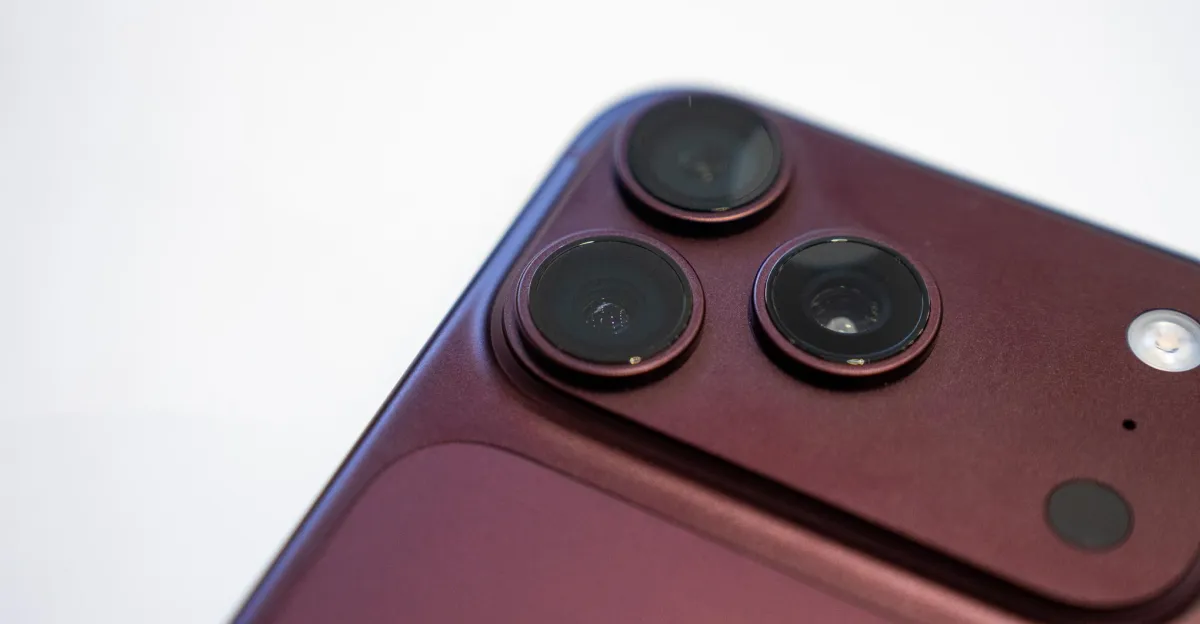
Apple is preparing a new camera feature for the iPhone 18 Pro and iPhone 18 Pro Max that is designed to help prove a picture was actually captured by the phone’s sensor and not altered by AI. The company’s new “Reference Image” mode, due later this month, pairs hardware-level signing with cloud processing so users can compare an authenticated original against edited versions.
The move matters because it is one of Apple’s clearest attempts yet to answer a growing trust problem in digital photography: as AI image generation and editing become harder to detect, viewers need a reliable way to distinguish a genuine capture from a manipulated one.
Apple is not trying to ban editing altogether. Instead, it is building a verifiable chain of custody for photos taken in a specific camera mode, with the goal of making authenticity easier to check in first-party and third-party apps.
What Apple is launching
Apple’s new feature is called Reference Image, and it will debut with the iPhone 18 Pro lineup. When users switch the camera into this mode, the device will authenticate the image at the point of capture rather than after the fact.
According to Apple’s description, the new sensor in the phone signs the pixels it records, creating a cryptographic record tied to the capture process. That signed data is then passed through Apple’s Private Cloud Compute and converted into an immutable reference image that can be viewed in the Photos app.
The practical result is that the reference image should serve as a trusted baseline. If a photo is later edited or altered, users will be able to compare the final version with the original authenticated file and identify changes more easily.
Why Apple is doing this now
Apple’s timing reflects a broader industry problem. AI-generated images and AI-assisted edits are becoming increasingly convincing, and even careful viewers can struggle to tell what was real, what was edited, and what was generated from scratch.
That challenge has pushed the tech industry toward authentication standards that can label or verify image provenance. Some of the best-known efforts include SynthID, C2PA, and Meta’s Content Seal. Apple’s approach stands out because it embeds verification into the hardware rather than relying only on software labels layered on top.
In other words, Apple is trying to make authenticity part of the capture pipeline itself. That gives the company a chance to create a stronger evidentiary trail than systems that depend solely on metadata or after-the-fact labeling.
How does Reference Image work?
It works by signing the camera data at capture time and then turning that information into a reference version that cannot be altered later. Apple says the process begins with the phone’s new sensor and ends with a viewable authenticated image in Photos.
That reference can then be used as a point of comparison against derivatives of the same photo. If a user or app edits the image, the reference version remains the original benchmark.
| Feature | What Apple says it does | Why it matters |
|---|---|---|
| Reference Image mode | Authenticates photos captured on the iPhone 18 Pro camera | Creates a trusted original at the moment of capture |
| Signed sensor data | “Signs every pixel it sees” in supported capture mode | Helps confirm the image came from the device’s camera |
| Private Cloud Compute | Converts the signed data into an unalterable reference image | Preserves a baseline version for later inspection |
| Photos app comparison | Lets users view and compare the reference and edited versions | Makes edits easier to detect |
| Reference Image API | Exposes the feature to developers across Apple platforms | Could extend authenticity checks into third-party apps |
What makes Apple’s approach different?
Apple is taking a hardware-first route. Rather than relying only on labels, watermarks or post-processing checks, it is trying to anchor authenticity in the sensor itself.
That distinction is important because software-only provenance systems can be stripped, obscured or ignored as content moves between platforms. A hardware-based signature gives Apple more control over the beginning of the image’s life cycle.
The company is also tying the feature to its own cloud infrastructure for the transformation from signed sensor data to reference image. That means the verification flow is not just local to the phone; it extends into Apple’s privacy-focused cloud environment.
Apple says the new camera system will “sign every pixel it sees” and use Private Cloud Compute to turn that data into an unalterable reference image.
That framing suggests Apple wants the reference file to carry enough integrity to function as a trusted source if questions arise about later edits or synthetic additions.
Who will be able to use it?
The initial rollout is limited to the iPhone 18 Pro and iPhone 18 Pro Max. Apple is not making the feature available across the entire iPhone range at launch, which indicates the company is using its newest premium hardware as the test bed for the system.
Apple is also giving developers access to a Reference Image API across iOS, iPadOS and macOS. That could allow third-party apps to inspect signed photos and build their own comparison tools, moderation tools or authenticity checks.
That developer access may end up being as significant as the feature itself. If app makers adopt the API, Reference Image could become part of a broader trust layer across Apple’s ecosystem rather than a camera trick confined to Photos.
What about the European Union?
Apple says the feature will not arrive in the European Union when the iPhone 18 Pro lineup launches. Even so, the company says users in the region will still be able to develop and view the reference images later through iOS 27, iPadOS 27 and macOS 27.
That split rollout suggests Apple may be navigating regional regulatory or technical requirements before enabling the full feature in the EU. For now, the delay limits availability at launch but does not block the underlying file format from eventually being used on Apple devices in the region.
How does this compare with other AI-authenticity systems?
Apple’s Reference Image feature joins a growing list of provenance and labeling systems meant to address synthetic media. These include Google-backed or industry-linked approaches such as C2PA, as well as image watermarking and signature systems like SynthID and Meta’s Content Seal.
Those systems share the same basic goal: make it easier to tell whether a piece of content was machine-generated, machine-edited or captured in the real world. But they differ in where they attach trust, how hard they are to remove and whether they depend on voluntary adoption by platforms.
Apple’s pitch is that authenticity should begin in the device itself. By signing the capture at the sensor level, Apple hopes to make fake or modified images easier to detect without asking users to manually interpret metadata or trust a visible label alone.
- SynthID is designed to mark AI-generated content with machine-readable signals.
- C2PA focuses on provenance metadata and a standard for content credentials.
- Meta’s Content Seal is another labeling approach intended to show content origin or edits.
- Apple’s Reference Image tries to authenticate real captures at the hardware level.
Why this matters for ordinary users
This is not just a professional photography feature. As AI tools spread through messaging apps, social networks and editing software, ordinary users increasingly face photos that may have been filtered, altered or synthesized without clear disclosure.
A reliable reference image could help people verify family photos, news images, product shots or social posts that claim to show something real. It could also help creators show that a picture they posted began as an authentic camera capture, even if it was later stylized or adjusted.
For journalists, the feature could offer a way to document the origin of images more reliably in an era when manipulated media can spread quickly. For consumers, it may simply provide more confidence that the image on screen has not been quietly transformed into something else.
What Apple has not said yet
Apple has not released a full technical paper on how the sensor signing works, what exact data is embedded, or how resistant the system is to tampering outside Apple’s ecosystem. Those details will matter if the feature is to become a credible authenticity standard rather than a useful but limited premium-camera tool.
The company also has not said whether Reference Image will be expanded to more iPhone models after launch. Nor has it explained how much of the feature will be visible to users versus hidden behind app-level verification tools.
There are also open questions about adoption. A provenance system only becomes powerful if other platforms, editors and sharing services support it. Apple’s API could help, but industry-wide coordination will likely determine how useful the feature becomes beyond the iPhone.
What happens next
Apple says Reference Image will arrive later this month alongside the iPhone 18 Pro lineup. The rollout will give the company a chance to show whether a hardware-based authenticity system can help restore confidence in photos at a time when synthetic media is becoming more convincing and more common.
If the feature works as promised, it could become one of the most important quiet upgrades in the new iPhone generation: not a camera mode aimed at better-looking pictures, but a tool for proving what the camera actually saw.
Timeline of the rollout
| Stage | Details |
|---|---|
| Announcement | Apple details Reference Image as part of the iPhone 18 Pro launch cycle |
| Launch window | Feature arrives later this month with the iPhone 18 Pro and Pro Max |
| Developer access | Reference Image API becomes available across iOS, iPadOS and macOS |
| EU availability | Feature is absent at launch in the European Union |
| EU follow-up | Users in the region can later develop and view files in iOS 27, iPadOS 27 and macOS 27 |
For Apple, the introduction of Reference Image is about more than photography. It is a signal that the company sees authenticity, not just image quality, as a defining camera feature in the AI era.
As generative tools get better at imitating reality, the next battle in imaging may not be who can make the most convincing fake. It may be who can prove the real thing.
Frequently asked questions
What is Apple’s Reference Image feature?
Apple’s Reference Image feature is a new camera mode for the iPhone 18 Pro that authenticates a photo at capture time. Apple says the phone signs sensor data, then uses Private Cloud Compute to create an unalterable reference version for later comparison.
How does Reference Image prove a photo isn’t AI-generated?
Reference Image does not label every image as real or fake. Instead, it creates a cryptographically signed original from the camera sensor, giving users a trusted baseline that can be compared with edited copies to detect changes or manipulation.
Which iPhones will support the feature first?
The feature will launch first on the iPhone 18 Pro and iPhone 18 Pro Max. Apple has not said that it will be available on older iPhones at launch, suggesting the new hardware is required for the authentication process.
Will Reference Image work in third-party apps?
Yes, Apple says developers will get access to a Reference Image API across iOS, iPadOS and macOS. That could let third-party apps verify or inspect authenticated photos, depending on how developers choose to build support.
Is Reference Image available in the European Union at launch?
No, Apple says the feature will not be available in the European Union when the iPhone 18 Pro launches. However, users in the region will still be able to develop and view the reference images later in iOS 27, iPadOS 27 and macOS 27.