In short
Brands are increasingly using AI-generated influencers in social media marketing, often without clear disclosure. The practice is drawing criticism from consumer groups and exposing a gap between fast-moving technology and advertising rules.
- Brands are using AI-generated influencers to create ads that look like genuine customer content.
- The UK has no specific rule requiring disclosure of AI-created promotional material.
- The EU’s AI Act will require clearer labeling of certain synthetic media, but it will not apply in the UK.
- Consumer groups warn that many people struggle to spot deepfakes, making undisclosed AI advertising risky.
- The ASA says it can act on misleading ads, but it does not currently require AI disclosure.
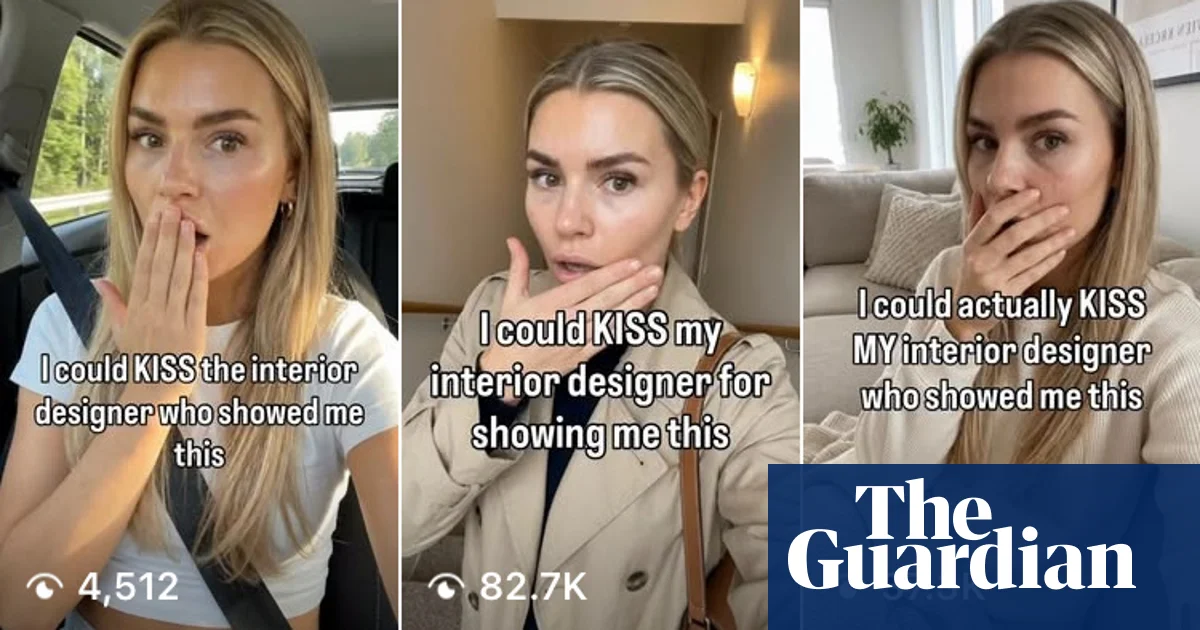
Brands are increasingly turning to AI-generated influencers to sell products on social media, using hyperrealistic digital people to mimic customer testimonials, lifestyle posts and unboxing videos without always telling viewers the content is synthetic. An investigation has found that some of this promotional material is designed to look like ordinary user-generated content, raising fresh questions about transparency, consumer trust and the speed at which advertising standards are being overtaken by generative AI.
The practice is already visible across Instagram and other platforms, where AI-crafted faces and voices are being used to showcase everything from wedding photography apps and interior design software to fashion labels. In some cases, the content appears so lifelike that it is difficult to distinguish from real creator posts. In others, telltale errors — such as extra fingers, unnatural expressions or awkward movements — provide clues that the people onscreen never existed.
The trend is gaining traction at a moment when regulators are still catching up. In the European Union, new disclosure rules for manipulated or AI-generated media are due to begin applying in August under the Artificial Intelligence Act. But the UK has no equivalent requirement specifically forcing brands to label synthetic promotional content. That gap has created an environment in which brands can use AI to simulate authenticity with few obvious disclosure obligations.
Consumer groups and digital safety experts say that matters because a substantial number of people struggle to identify deepfakes and other manipulated media. That makes undisclosed AI advertising not just a marketing issue, they argue, but a consumer protection concern.
How AI influencers are being used in marketing
What is emerging online is not simply a matter of brands using AI to touch up photographs or generate background visuals. In many cases, companies are commissioning fully synthetic personas that appear to be real customers, reviewers or lifestyle creators. Those fake people then appear in promotional posts that are structured to look like organic recommendations rather than advertising.
That strategy is especially attractive in the fast-growing world of user-generated content, or UGC, where consumers increasingly respond to posts that look casual, personal and unpolished. Brands have long paid real creators to produce this style of content. Now, some are replacing human talent with AI-generated avatars that can be tailored, scaled and reused at far lower cost.
For marketers, the appeal is obvious. Synthetic influencers do not demand travel budgets, shoot fees, usage restrictions or reputational protections. They do not miss deadlines, object to scripts or post controversial opinions on their own channels. They also let brands test messaging quickly, producing multiple versions of the same idea for different platforms.
Yet the same qualities that make AI content useful to advertisers also make it potentially deceptive. When a consumer sees what looks like a sincere customer rave or a glowing product demonstration, they may assume they are viewing a genuine person sharing a genuine experience. If that person is synthetic, the persuasive effect remains, but the basis for trust changes completely.
Examples spotted on Instagram
One of the most visible examples involves Once, a photo app that lets users create disposable camera-style images for events. Analysis by Reality Defender, a cybersecurity firm focused on deepfake detection, suggests the company has likely used AI-generated influencers in its promotional material.
Several videos on Instagram feature a bride appearing to speak emotionally about using the app at her wedding. In one clip, she says that guests expected a no-phone ceremony and that cameras were provided instead. The post is captioned as if the app were simply part of a real user’s wedding experience.
When approached for comment, Once did not respond.
Another example involves Maket, an AI-assisted design platform for housing and interior planning. In one promotional video, a woman appears to be AI-generated and is shown using the product while on-screen text frames the clip as a casual recommendation. The effect is the same as a paid creator endorsement, except the creator may not exist at all.
Maket said it has experimented with AI-generated influencers as one of several ways to test creative ideas and promotional hooks at a small scale before committing to wider campaigns. The company described the approach as experimental rather than central to its marketing strategy, saying it is trying to learn what resonates across influencer, social media and email channels.
A fashion brand called Ashle, based in Dubai, also appears to have used synthetic imagery in its social content. One post showed a woman wearing the brand’s clothing in a restaurant, but the image contained a clear anomaly: an extra finger. After the issue was raised, the brand removed photographs from its social media page.
A spokesperson for Ashle said the company sells handmade garments and does not market AI-generated products. According to the brand, some early launch imagery used AI to visualize designs, and the deleted images were removed because those particular products were no longer in the collection, not because the visuals were synthetic.
Why brands are embracing synthetic creators
Industry insiders say the move toward AI-generated influencers is being driven by a mix of economics, speed and control. A former celebrity manager who now creates AI influencer images through her Mia Metaverse portfolio said brands are drawn to digital humans because they can be made to look aspirational, polished and endlessly adaptable.
Her view is that a significant share of branded content may already be created with AI, although many creators working on such projects are bound by confidentiality agreements. In her account, nondisclosure clauses are increasingly used to keep the use of synthetic talent from being discussed publicly, especially while consumer trust in the format is still developing.
She argues that brands are not merely buying visuals; they are buying certainty. Real influencers can be expensive, unpredictable and difficult to manage. Synthetic influencers eliminate many of those variables, allowing marketers to shape a personality, a script and an aesthetic without negotiating with a human creator.
Cost is a major factor. Traditional branded photo shoots can run into tens of thousands of dollars, especially once location, talent, equipment, editing and licensing are added in. By contrast, AI-generated content can be produced far more cheaply and iterated repeatedly until a brand finds a version it likes.
There is also a strategic logic to the shift. The same source described the rise of paid UGC as a turning point, arguing that brands came to value content that appeared authentic because it felt like a recommendation from an ordinary consumer. AI, she said, now offers a way to replicate that emotional effect on a larger scale.
“Brands want high-end photography, but they don’t want to pay for a traditional shoot,” she said, adding that AI allows them to avoid some of the complications that come with working with real influencers, from fees and scheduling to off-message opinions and publicity risks.
The transparency problem
The core controversy is not whether brands may use AI in marketing. It is whether viewers are being told when a “person” in an advert is synthetic. At present, there is no broad UK rule requiring brands to label AI-generated influencer content as such. That means content can circulate with no explicit disclosure, even if it is designed to look like a first-person consumer recommendation.
In the EU, the legal landscape is changing. New requirements under the Artificial Intelligence Act are set to oblige clear labelling of deepfake images, audio and video, as well as AI-generated or heavily manipulated content. The intention is to make it easier for audiences to understand what they are seeing and hearing. But those rules will not apply in Britain.
That regulatory mismatch matters because social platforms are global by design. Content posted in one country can be viewed in another, and the line between entertainment, influencer marketing and advertising has become increasingly blurred. Without a common standard, brands can tailor disclosures to whichever market is least demanding.
The risk, according to critics, is that the online ad ecosystem could normalize synthetic endorsements before consumers have any practical way to identify them. If the content looks like honest lived experience but is in fact manufactured, the viewer’s ability to make an informed decision is weakened.
What the advertising regulator says
The UK’s Advertising Standards Authority says existing rules do not specifically ban brands from posting AI-generated promotional content without a disclosure. The regulator’s position is that the key question is not whether AI was used, but whether the ad is misleading overall.
In other words, the ASA will focus on whether the audience is likely to be deceived about the product or the claim being made. If a synthetic creator is used but the ad is otherwise clear and not deceptive, the regulator says there may be no breach. However, if the AI use creates a misleading impression, the ad could still fall foul of the rules.
The regulator said there are no specific disclosure requirements for AI labelling in its current framework, though any content must still meet the standards of not being misleading or socially irresponsible.
That position highlights a broader policy debate: should regulators treat AI-generated personas as just another production tool, or as a distinct category that requires explicit consumer disclosure? At the moment, the ASA appears to see the issue through the traditional lens of advertising truthfulness rather than synthetic identity.
Consumer groups warn of deception
Consumer advocates say the market is moving faster than public awareness. Which?, the UK consumer group, argues that viewers should be clearly told when promotional content features AI-generated influencers rather than real people. Its concern is not merely theoretical. The group says people are already vulnerable to online deception and may not realize that the upbeat, seemingly spontaneous content they are seeing has been manufactured for brand purposes.
A recent Which? investigation into deepfakes on social media found that many people struggled to tell authentic videos from fakes. The group said a large majority of test participants could not correctly identify all the real and synthetic clips they were shown. That, it argues, creates a ripe environment for scams and misinformation, especially when the same techniques are used in commercial advertising.
The group’s warning points to a broader issue: if consumers cannot reliably spot AI content, then the burden should not fall on them to do so. Instead, brands should disclose synthetic material upfront so the audience can assess it with full knowledge of how it was produced.
Which? argues that trust is being eroded online and says companies should be transparent whenever AI is used to create promotional content, particularly where the content is designed to imitate real people or genuine customer experiences.
Table: key developments in the AI influencer debate
| Issue | What is happening | Why it matters |
|---|---|---|
| Brand usage | Companies are using AI-generated people in social media ads and UGC-style posts. | Content can look like genuine customer testimony while remaining undisclosed. |
| Regulation in the EU | New AI Act disclosure rules will require labeling of AI-generated or manipulated media. | Creates a clearer standard for synthetic content in advertising. |
| Regulation in the UK | No specific rule currently requires AI ad disclosure. | Brands can post synthetic content without explicit AI labeling. |
| Regulatory approach | ASA focuses on whether ads are misleading overall. | AI use alone is not the issue; deception is the key test. |
| Consumer concern | Which? says many people struggle to identify fake video content. | Undisclosed AI could mislead shoppers and weaken trust. |
The UGC economy and the rise of manufactured authenticity
To understand why AI influencers are spreading, it helps to understand how the UGC economy evolved. Over the past few years, brands have become obsessed with content that feels spontaneous, relatable and “real.” The format works because audiences often trust a recommendation more when it resembles a peer review than a polished advert.
That demand created an ecosystem of creators paid to make content that looks casual even when it is commissioned. The line between genuine consumer speech and sponsored performance became thinner. AI now pushes that logic further by removing the need for the performer to be a real person at all.
Some marketers see this as a technical upgrade: the message remains familiar, but the production is cheaper and more scalable. Others see it as a qualitative shift, because authenticity is no longer anchored in an actual customer experience. Instead, it is simulated from scratch.
That distinction matters. Real UGC may be biased, sponsored or edited, but it is usually generated by a human with actual context and lived experience. AI content can imitate the signs of sincerity while being detached from any real-world encounter with the product.
Why “plausible deniability” matters
One of the more troubling claims from industry sources is that some brands may be intentionally benefiting from ambiguity. If a post looks like a regular creator endorsement but is actually synthetic, the brand can enjoy the persuasive power of authenticity while avoiding scrutiny that might come from openly admitting the content is fake.
That dynamic is sometimes described as plausible deniability: the brand can use AI while maintaining enough ambiguity to avoid confronting the trust issue head-on. If challenged, it can say the image or video is simply a creative experiment, not a core campaign. But from the audience’s perspective, the result is the same — they are being invited to believe a synthetic persona is real.
That is why transparency advocates say disclosure should not depend on whether the ad is technically false in a narrow legal sense. The question is whether the audience is being given a fair opportunity to understand the nature of the content before it influences their buying decisions.
How the brands respond
The companies mentioned in the investigation have not all responded in the same way. Some did not answer questions. Others said they were experimenting with AI as part of early-stage marketing or that AI had been used only to visualize design concepts rather than to misrepresent products.
Those responses reflect an industry in transition. For many businesses, AI is still being framed as a testing tool rather than a permanent replacement for human creators. But even experimental use can have wide reach once the content is posted to major social platforms, where it may be shared, saved or reshared beyond the brand’s original expectations.
In practice, the boundary between experimentation and advertising can be thin. A post published to a brand’s own account is still public-facing marketing. If it looks like a customer recommendation, then the audience is likely to process it as one, regardless of how it was produced.
What comes next for AI advertising
The use of AI-generated influencers in marketing seems likely to grow unless regulators, platforms or industry bodies impose clearer rules. The combination of low cost, high controllability and visual polish gives brands a strong incentive to keep experimenting. At the same time, the technology continues to improve rapidly, making synthetic people harder to identify at a glance.
Several possible responses are now under discussion across the digital advertising landscape:
- Mandatory labels that identify AI-generated personas and manipulated testimonials.
- Platform-level tools that flag synthetic content or require additional disclosure fields for ads.
- Industry standards defining when synthetic UGC crosses into misleading advertising.
- Consumer education campaigns to improve public awareness of deepfakes and digital deception.
Each of these approaches has limitations. Labels can be ignored. Platform tools can be unevenly enforced. Industry standards can lag behind technology. And consumer education, while useful, still leaves viewers doing the work of verification in an environment engineered to persuade them quickly.
The deeper challenge is that AI has made marketing content cheaper to make, easier to scale and harder to authenticate. That combination is likely to keep testing the boundaries of what audiences believe when they scroll past an apparently ordinary recommendation on Instagram.
For now, the industry appears to be moving ahead in the relative absence of clear disclosure rules. That may suit brands in the short term. But as the public becomes more aware that some of the “people” endorsing products online may never have existed, the next competitive advantage could belong to companies that choose to be more honest about how their ads are made.
Why this story matters
This is not only a story about marketing innovation. It is also about the changing definition of trust in the digital economy. Social platforms were built around the idea that users could follow real people, evaluate real recommendations and decide for themselves what to believe. AI-generated influencers complicate that promise by introducing a layer of manufactured intimacy that is difficult to detect and easy to misuse.
If the next phase of online advertising is built on synthetic peers, then disclosure will become more than a compliance issue. It will be a test of whether brands believe honesty still matters when deception has become cheaper, faster and more effective.