In short
TechCrunch has extended the exhibit table deadline for Disrupt 2026 to October 2, giving startups a final chance to book Expo Hall space at the San Francisco conference. The event runs October 13–15 and is expected to draw more than 10,000 attendees.
- Final exhibitor bookings for Disrupt 2026 close October 2 at 11:59 p.m. PT.
- The conference runs October 13–15 at Moscone West in San Francisco.
- Exhibitors get branded tables, team passes, lead tools, and branding benefits.
- TechCrunch says the Expo Hall is the central place for startup visibility and dealmaking.
- Non-exhibitors can still attend sessions, networking events, and Startup Battlefield.
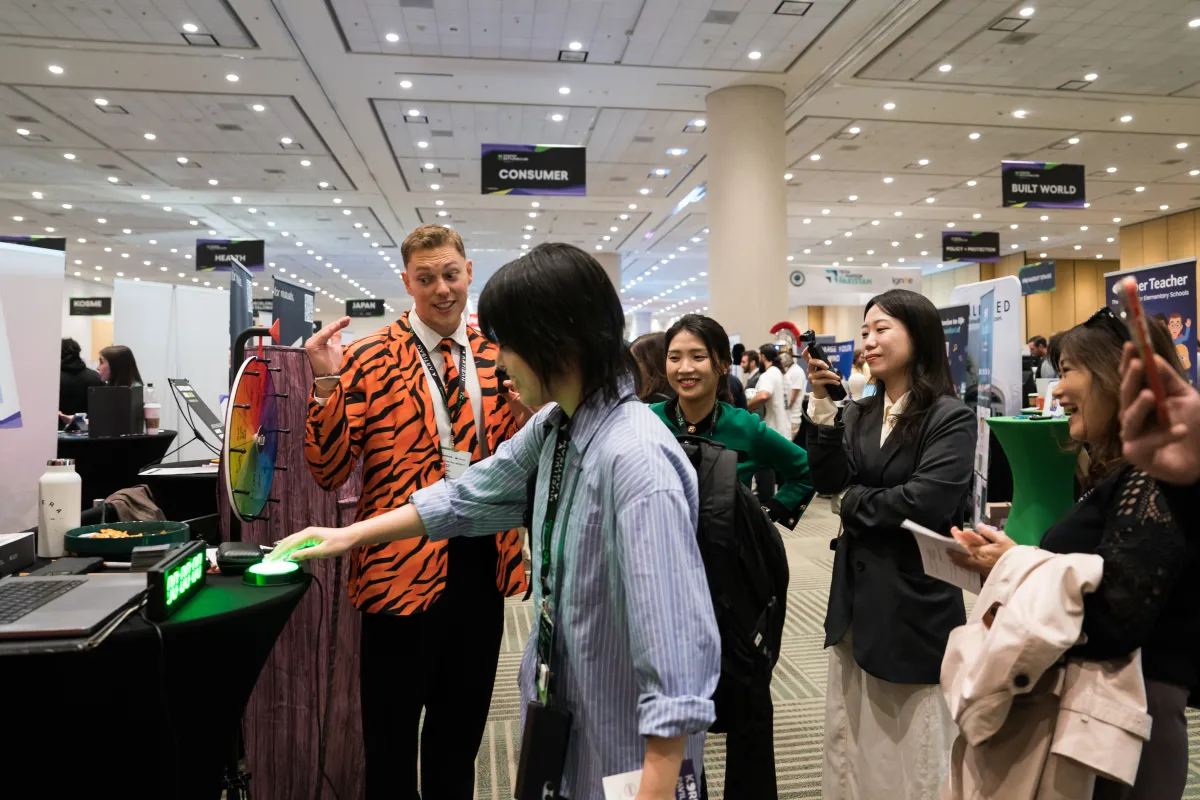
TechCrunch has extended the deadline to reserve an exhibit table at Disrupt 2026, giving startups one final chance to secure floor space at the conference before bookings close on Friday, October 2, at 11:59 p.m. PT. The move matters because the Expo Hall is one of the event’s most visible business-development channels, putting founders directly in front of investors, operators, partners, customers, and press during the three-day gathering in San Francisco.
Disrupt 2026 is scheduled for October 13–15 at Moscone West, where TechCrunch says more than 10,000 attendees will gather for sessions, networking, product discovery, and startup pitching. For companies trying to stand out in a crowded market, the exhibit floor is not just a display area — it is a live sales, fundraising, and branding environment concentrated into three days.
For startups that missed the original signup window, the extension is effectively a last call. TechCrunch says table sales will end for good after the new deadline, with inventory limited and assigned on a first-come, first-served basis.
What changed and why it matters
TechCrunch has pushed the exhibitor booking deadline for Disrupt 2026 to October 2, giving founders a short extension to claim space in the Expo Hall. That matters because the exhibit area is a central part of the event’s startup marketplace, where new companies compete for attention from the people most likely to accelerate their growth.
The conference itself remains on the calendar for October 13–15 at Moscone West in San Francisco. TechCrunch is marketing Disrupt as a major convening point for the startup world, with thousands of attendees expected and a program designed to support fundraising, product discovery, and strategic partnerships.
For exhibitors, the deadline extension is important for a practical reason: once the floor fills, there is no later path back in. The company says this is the last opportunity to book an exhibit table for the event.
How the Expo Hall is positioned at Disrupt 2026
The Expo Hall is being presented as the place where startups can showcase their products in front of a concentrated audience of decision-makers. TechCrunch describes it as the center of the event, and the exhibitor pitch is built around direct business outcomes rather than passive brand visibility.
According to the event organizer, a table gives founders three days of exposure to potential investors, customers, partners, and media. The setup is designed for live demonstrations, conversations, and lead capture, all of which can help a young company move from awareness to follow-up meetings.
What exhibitors receive
The package for exhibitors includes more than just a table. TechCrunch says the standard offering features a branded 6-foot-by-30-inch table for the full three-day event, 10 team passes, lead-generation tools, website and app branding, press-list access, Silver Tier sponsor branding, and additional visibility perks.
There is also a timing incentive: companies that book by September 30 can receive on-site branding as part of their package. That detail makes the extension especially relevant for startups still weighing whether the exposure is worth the cost and staffing commitment.
- Branded exhibit table for all three days
- 10 passes for team members
- Lead-generation and app tools
- Website and in-app branding
- Press-list access
- Silver Tier sponsor branding
Who is the event built for?
Disrupt 2026 is aimed at founders, investors, operators, and tech leaders looking for new products, companies, and deal opportunities. TechCrunch says the event is expected to draw more than 10,000 people, with programming spread across six industry stages, roundtables, and breakout sessions.
The exhibitor program is especially relevant for early-stage and growth-stage startups that want direct access to the ecosystem. Rather than relying only on digital outreach or one-off meetings, these companies can place their product physically in the center of a major industry gathering.
That can matter for several reasons:
- It creates face-to-face conversations with prospective customers.
- It puts founders in front of venture capital firms scanning for new investments.
- It provides visibility in a venue where multiple startup categories converge.
- It helps teams generate leads during the event itself.
What happens if you are not exhibiting?
Even companies that do not book a table can still participate in the broader conference. TechCrunch says Disrupt 2026 will include more than 250 tech leaders speaking across 200-plus sessions, along with opportunities to network through AI-powered matchmaking and interactive programming.
The conference will also showcase more than 300 startups and feature Startup Battlefield 200, the pitch competition that has become one of the event’s signature attractions. For attendees, that means access to product demos, investor conversations, and practical discussions about building and scaling companies.
In other words, the Expo Hall is only one part of a larger event ecosystem. But for startups seeking concentrated exposure, it is one of the few places at Disrupt where brand, product, and business development can all happen in the same room.
Why startups treat the exhibit floor like a sales channel
The exhibit floor has become more than a marketing asset because startup growth often depends on compressed, high-quality interactions. At a large event like Disrupt, a founder can meet dozens of relevant people in a single day, many of whom would otherwise be difficult to reach individually.
That is particularly valuable in a market where customer acquisition, investor access, and partnership development can all be time-consuming. A booth or table gives a startup a physical anchor in the event, making it easier for attendees to remember the company after the conversation ends.
For startups in competitive categories, that visibility can also be strategic. Being present on the floor signals momentum, commitment, and readiness to sell — qualities that can influence everything from investor interest to press coverage.
TechCrunch is framing the final extension as a last opportunity for startups to secure a spot on the Expo Hall floor before tables sell out and bookings close permanently.
How the deadline fits into the broader Disrupt timeline
The new exhibitor deadline comes more than a week before the event itself, leaving teams time to prepare logistics, staffing, and messaging if they decide to exhibit. That timing matters because the value of a table depends not only on being present, but on arriving ready to engage.
Startups that book late will need to move quickly on display materials, product demos, lead capture strategy, and follow-up planning. For many teams, the real work begins after the booking is complete, when the focus shifts from reserving space to converting attention into meetings and opportunities.
Below is a simplified timeline of the key dates TechCrunch highlighted.
| Date | Milestone | Why it matters |
|---|---|---|
| September 30, 2026 | On-site branding cutoff | Startups booking by this date can qualify for additional branding visibility |
| October 2, 2026, 11:59 p.m. PT | Final exhibit table booking deadline | Last chance to reserve a table in the Expo Hall |
| October 13–15, 2026 | Disrupt 2026 conference | Three-day event at Moscone West in San Francisco |
Why the Expo Hall remains valuable in a digital-first market
In a year dominated by AI tools, remote networking, and online product launches, in-person exposure still holds unusual value. A live event compresses attention, making it possible for startups to be seen by hundreds or even thousands of relevant people in a short period.
That matters because startup marketing is often expensive and fragmented. Many founders face long sales cycles, noisy digital channels, and limited brand recognition. A table at a high-traffic conference can cut through some of that noise by creating direct, memorable interaction.
For investors, too, the logic is straightforward. Events like Disrupt provide a fast way to compare startups, spot emerging themes, and assess founder quality. For that reason, the Expo Hall is as much a sourcing mechanism as it is a showcase.
What else TechCrunch is offering attendees
TechCrunch is also encouraging non-exhibitors to attend the event itself, which will include a broad slate of programming. The conference will feature six industry stages, roundtables, breakout sessions, and pitch-focused content aimed at giving attendees practical insights.
The organizer says AI-powered matchmaking will help participants find more relevant connections, while interactive sessions are meant to make networking less random and more useful. That is a notable shift in how large tech conferences are being structured, with more emphasis on signal and less on generic mingling.
For attendees, the event may also be an opportunity to discover startups beyond the headline names. With 300-plus startups expected and the Startup Battlefield competition on the agenda, the floor is likely to function as a discovery engine for new products and potential partnerships.
What founders should know before booking
Founders considering an exhibit table should think beyond the booking fee and ask whether they have the right team, product story, and follow-up process to use the event well. A table can create real value, but only if the company is prepared to handle the volume of interest it generates.
Here are the practical questions many teams will likely consider before the deadline:
- Do we have a clear demo and pitch that can work in a busy expo setting?
- Can we staff the table throughout the event?
- Do we have a lead-capture process ready to use?
- Will our team be able to follow up quickly after the conference?
- Is the target audience at Disrupt aligned with our business goals?
Those questions matter because event ROI is often determined as much by preparation as by attendance. The companies that get the most out of a major conference are usually the ones that arrive with a clear objective and leave with a structured next-step plan.
The bottom line
TechCrunch’s extension gives startups one more short window to reserve exhibit space at Disrupt 2026, but the opportunity is closing fast. The deadline is October 2 at 11:59 p.m. PT, and once table sales end, they end for good.
For founders who want to put their company in front of investors, operators, customers, and the wider startup community, the Expo Hall remains one of the most direct ways to do it. For everyone else, Disrupt 2026 still offers a large-scale view of where the startup market is heading this year.
Frequently asked questions
When is the deadline to book an exhibit table for Disrupt 2026?
The deadline is Friday, October 2, 2026, at 11:59 p.m. PT. TechCrunch says this is the final opportunity to reserve an exhibit table, and bookings will close permanently after that time.
Where and when is TechCrunch Disrupt 2026 taking place?
Disrupt 2026 will be held October 13–15, 2026, at Moscone West in San Francisco. TechCrunch says the event will bring together more than 10,000 founders, investors, operators, and tech leaders.
What do exhibitors get with a Disrupt 2026 table?
Exhibitors receive a branded 6-foot-by-30-inch table for all three days, 10 team passes, lead-generation tools, website and app branding, press-list access, and Silver Tier sponsor branding, among other benefits.
Can you still attend Disrupt 2026 without exhibiting?
Yes. TechCrunch says attendees can still buy tickets and take part in the conference, which includes more than 250 speakers, 200-plus sessions, startup showcases, and Startup Battlefield 200.