In short
Universal Music Group is partnering with ElevenLabs to build a licensed AI music platform that will let users make remixes, mashups and new takes on songs. The move deepens the music industry's shift toward consent-based AI tools and new fan experiences.
- Universal Music and ElevenLabs are building a licensed AI music platform.
- The tool will let users create remixes, mashups and new versions of songs from Universal’s catalog.
- Artists will be able to opt in, and the companies say compensation will be part of the model.
- The deal is part of Universal’s broader push to sign AI licensing agreements across the music industry.
Universal Music Group is building a new AI music platform with ElevenLabs that will let users create remixes, mashups and original-style reworks from licensed songs in the label’s catalog. The project matters because it gives one of the world’s biggest music companies a controlled way to test AI-generated fan creativity while keeping rights, artist approval and compensation at the center of the product.
The platform, announced Thursday, is being developed under a multi-year licensing agreement between UMG and ElevenLabs, the AI company best known for voice and music generation tools. Unlike open-ended AI music services that have alarmed rights holders, the new system is designed to work with UMG-approved material and to give artists the choice to participate.
The deal adds another major AI licensing arrangement to a music industry that is rapidly moving from courtroom fights to commercial partnerships. It also comes as competing labels and AI startups are racing to define the terms of a market that could reshape how fans interact with songs, how labels monetize catalogs and how creators are paid when machines help make new music.
What Universal Music and ElevenLabs are building
The companies are developing an AI-powered music platform that will draw on Universal’s licensed catalog and allow users to generate new versions of tracks. The planned tools will support remixes, mashups and other transformations of existing songs, rather than simply offering a generic music generator with no connection to a rights-cleared library.
That distinction is crucial. In the fast-moving AI music sector, labels have been pushing for systems that license songs first and generate output second. Universal’s latest move suggests the company wants to shape how AI music products are introduced to listeners rather than wait for unauthorized services to set the standard.
The platform is separate from ElevenLabs’ existing Music API and its ElevenMusic generator, according to the companies. In practice, that means this UMG-branded effort is not just a minor feature inside an existing toolset; it is a distinct product line with its own licensing rules and fan-facing ambitions.
Why this deal stands out
This partnership is notable because it combines a major record label’s rights-management infrastructure with a startup’s generative AI technology. That blend is becoming the preferred model for parts of the music business that want to embrace AI without surrendering control of their catalogs.
For Universal, the agreement adds to a growing list of AI deals and signals a broader strategy: license first, build a managed product, and keep artists in the loop. For ElevenLabs, it provides a high-profile entry point into music creation at a time when the company is trying to expand beyond voice cloning and text-to-speech.
| Item | Details | Why it matters |
|---|---|---|
| Companies involved | Universal Music Group and ElevenLabs | Pairs a major rights holder with a leading AI voice and music startup |
| Core product | AI platform for remixes, mashups and new takes on songs | Moves AI music creation into a licensed, label-controlled environment |
| Rights model | Artists can opt in to participation | Gives performers and songwriters a say in whether their work is used |
| Deal structure | Multi-year licensing agreement | Suggests a long-term commercial relationship, not a one-off experiment |
| Additional plans | More products and fan experiences are expected later | Indicates the partnership could expand beyond music generation |
How will artists be involved?
Artists will be able to decide whether they want to take part in the platform. That opt-in approach gives Universal and its partners a way to avoid forcing creators into AI products they may not trust or want associated with their brands.
This choice-based model is increasingly important in the music business, where creators are demanding more transparency around training data, synthetic vocals and the use of recognizable styles. Universal’s announcement does not spell out the full technical or contractual details, but the company is clearly signaling that participation is intended to be voluntary.
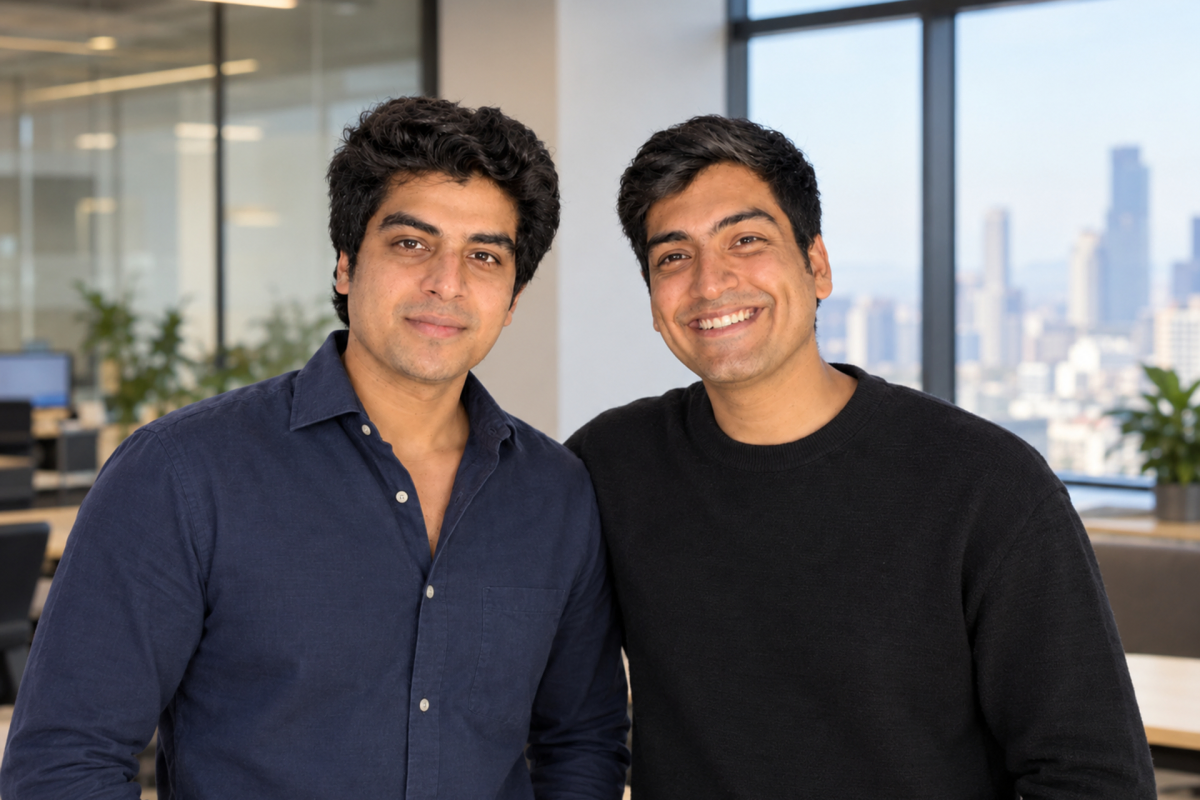
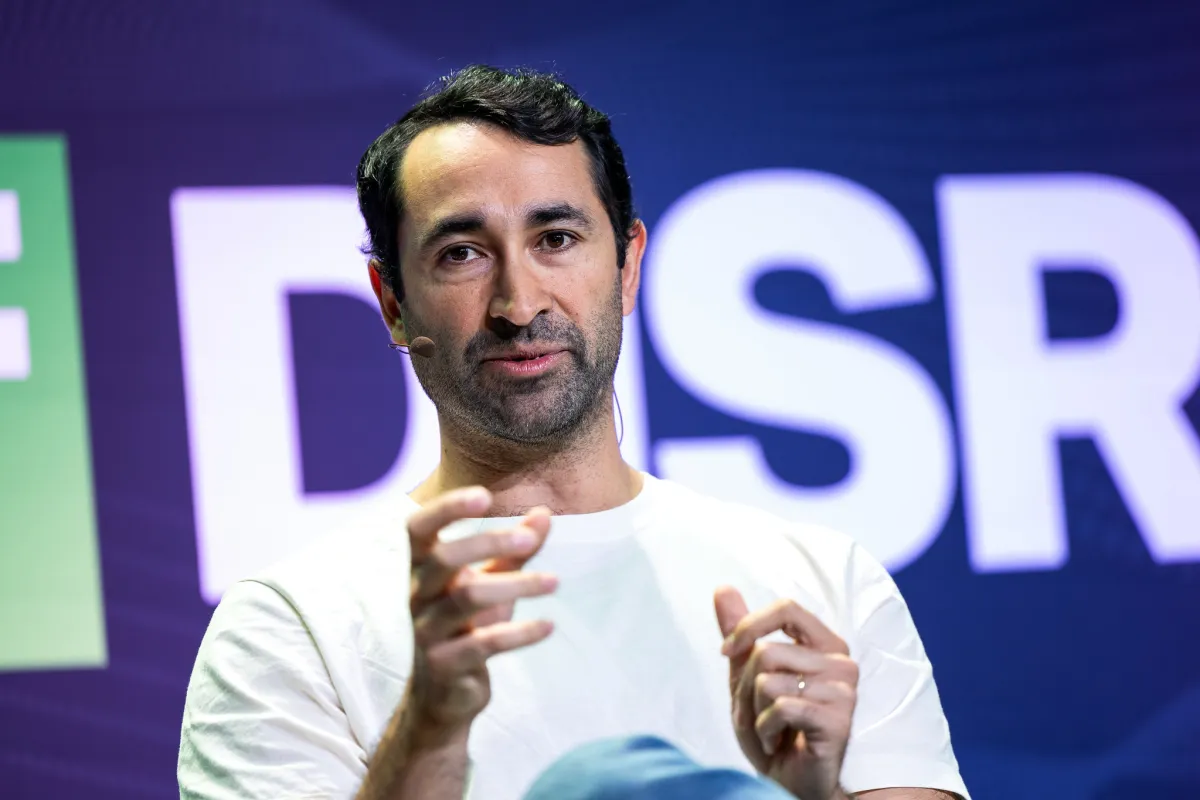
ElevenLabs chief executive Mati Staniszewski said the partnership is meant to combine Universal’s global reach and rights-management experience with the startup’s models so that artists and songwriters can build new fan experiences and be compensated fairly.
That message reflects the broader industry argument for licensed AI: if labels and artists control the inputs, they can shape the outputs and share in the revenue. The hard part is turning that principle into a product that fans actually use and creators feel good about endorsing.
What “fair compensation” could mean
Universal and ElevenLabs have not published a detailed royalty formula or revenue split. Even so, the wording of the announcement suggests the platform will be designed to include payments for rights holders, likely through license fees, usage-based compensation or a mix of both.
That is where many AI music deals will live or die. If compensation is too vague or too small, artists are unlikely to participate. If the licensing terms are too restrictive, fans may not see much value in the product. The commercial challenge is to make the experience compelling enough that all sides consider it worth the trade-offs.
Why Universal keeps signing AI deals
Universal Music has been one of the most aggressive major labels in negotiating with AI companies. The company is already developing an AI music platform with Udio and has struck licensing agreements with Spotify, Nvidia and Klay. Thursday’s announcement extends that pattern and suggests the label is trying to place itself at the center of the emerging AI music economy.
The strategy appears to have two goals. First, Universal wants to protect its catalog from unlicensed use by creating authorized channels for AI-generated music. Second, it wants to turn the growth of generative tools into a new source of revenue, rather than a threat to existing streaming and publishing income.
That approach also gives Universal leverage. If the biggest rights holders offer approved AI experiences, they can set expectations for the rest of the market and make it harder for unauthorized products to claim legitimacy.
How this fits the industry shift
The music industry is moving from confrontation to negotiation. Labels have spent the last two years filing lawsuits, demanding transparency and warning about training data abuse. Now, some of the same companies are starting to cut deals that permit AI creation under license.
This week offered another sign of that shift: Suno released its first AI music model trained on licensed songs from Warner Music Group, BMG and other industry partners. In other words, the market is increasingly separating licensed AI music from the more controversial, open-web approach that drew so much criticism earlier in the AI boom.
That does not mean the legal questions are solved. It does mean the business side is advancing faster than many observers expected, and Universal’s new platform could become part of the blueprint for how labels manage AI-generated fan content.
What changes for fans?
For listeners, the most obvious change is the possibility of interacting with songs in a more creative way. Instead of passively streaming a track, a fan could create a remix, a mashup or an altered version that reflects personal taste while remaining connected to a licensed catalog.
That kind of experience could be especially appealing for social sharing, fandom communities and short-form content platforms, where personalized edits often travel faster than full songs. A licensed AI platform also gives Universal a way to keep fan creativity inside an ecosystem it can monitor and monetize.
There is, however, a risk that a polished legal framework does not automatically translate into cultural enthusiasm. Some fans may want unrestricted experimentation, while others may view AI music tools as gimmicky or as a threat to artistic authenticity. Universal’s success will likely depend on whether the platform feels fun, useful and respectful of the original work.
Possible product directions beyond music generation
The announcement says the partnership will also include the development of additional products and fan experiences in the months and years ahead, though no specific examples were provided. That leaves room for a wide range of possibilities.
- Personalized artist interactions built around catalog music
- Remix tools for fans and creators
- Voice-based experiences tied to performances or storytelling
- New promotional formats for album launches or fan clubs
- Interactive music discovery features tied to licensed recordings
Because the companies have not yet detailed those products, the announcement should be read as a foundation rather than a finished consumer offering. Still, the wording indicates that both sides see this as more than a one-time experiment.
How does ElevenLabs benefit?
ElevenLabs benefits by gaining a marquee entertainment partner and a pathway into music licensing at the highest level. The company is already known for its AI voice tools, but the Universal agreement could broaden its reputation from voice generation to fully licensed audio experiences.
For an AI startup, working with one of the world’s biggest music companies is valuable not just for revenue but for credibility. It signals to other rights holders that ElevenLabs can operate inside a legal and commercial framework acceptable to major industry players.
The deal also helps the startup differentiate itself in an increasingly crowded AI audio market. If ElevenLabs can show that its models can underpin licensed music products for a major label, it may be able to win more partnerships in entertainment, publishing and creator tools.
Why the timing matters now
The timing of the announcement is important because AI music tools are becoming more sophisticated even as the industry’s licensing standards are still being written. Labels are under pressure to protect artists, but they also know that fan demand for AI-generated content is likely to keep growing.
Universal’s announcement arrives during a week when rights-cleared music models are becoming more visible, suggesting the industry may be reaching a practical consensus: AI can be part of music creation if the catalog owners and artists are paid and can opt in.
That is not a small shift. It hints at a future in which major labels may not simply fight AI products, but help define the terms on which those products are allowed to exist.
What are the open questions?
Several important details remain unanswered. Universal and ElevenLabs have not disclosed when the platform will launch, which artists are participating, how outputs will be moderated, or what exact revenue model will be used. They also have not explained how they will handle cases where users attempt to imitate a particular artist’s style too closely.
Those questions matter because the public debate over AI music often centers on creative control, consent and compensation. A platform that solves one of those problems but not the others may still face resistance from artists, regulators and fans.
Key unresolved issues
- Which artists and catalogs will be included at launch?
- How will opt-in participation be enforced?
- What guardrails will prevent abusive or confusing outputs?
- How will compensation be calculated and paid?
- Will the platform launch as a consumer app, a creator tool or both?
The answers will determine whether the project becomes a meaningful new channel for music fandom or simply another example of a label experimenting with AI branding.
How this compares with other AI music partnerships
Universal’s ElevenLabs deal fits a wider pattern in which music companies are choosing targeted licensing agreements over a total rejection of AI. Some of these partnerships are still in early stages, but the direction of travel is clear: the industry wants AI tools that are trained, constrained and monetized through consent.
Compared with broad consumer AI platforms, a label-backed system has some advantages. It can start with known rights holders, build around quality-controlled catalogs and reduce the legal uncertainty that has shadowed generative music from the start.
| Music AI model | Rights status | Industry appeal | Main challenge |
|---|---|---|---|
| Open-web generation | Often unclear or disputed | Fast experimentation and broad access | Copyright and artist-consent concerns |
| Licensed label platform | Cleared through agreements | Safer for rights holders and brands | Balancing control with fan creativity |
| Artist-specific opt-in tool | Dependent on creator consent | Stronger alignment with performers | Requires convincing artists to participate |
Why this matters beyond one label
Universal’s move may be read as a single partnership, but it also points to a larger shift in how cultural companies are approaching generative AI. Rather than treating AI solely as a risk, they are starting to explore how it might become a new layer of engagement around existing intellectual property.
If successful, a platform like this could influence how other labels, publishers and entertainment companies structure their own deals. It could also create pressure on AI startups to offer better rights management, clearer attribution and more direct compensation models.
That said, the market is still in flux. Some creators will embrace the possibility of new fan experiences, while others will remain deeply skeptical of machine-generated derivatives. The eventual winners may be the companies that can make AI feel like a legitimate extension of artistry rather than a replacement for it.
The bottom line
Universal Music Group’s AI platform with ElevenLabs is part product launch, part industry signal. It shows that one of the world’s biggest labels believes licensed AI music can be built in a way that gives artists choice, protects rights and opens new revenue opportunities.
Just as importantly, it suggests the next phase of the AI music debate will be fought less over whether these tools exist and more over who controls them, who gets paid and how much creative freedom fans are allowed to have.
Frequently asked questions
What is Universal Music’s new AI music platform?
It is a licensed generative music platform Universal Music Group is developing with ElevenLabs. The system is designed to let users create remixes, mashups and other new versions of songs from Universal’s catalog while keeping the content tied to rights-cleared material.
Can artists choose whether their music is used?
Yes. Universal says artists will be able to decide whether they want to participate in the platform. That opt-in model is meant to give creators more control over how their work is used in AI-generated experiences.
How is this different from other AI music tools?
It is different because it is built around a licensing agreement with a major label. Instead of using unclear or disputed training data, the platform is intended to work with approved songs and to compensate rights holders under agreed terms.
Why is Universal Music making more AI deals?
Universal is trying to shape the market for AI music rather than simply react to it. By licensing its catalog and partnering with AI companies, the label can protect its rights, create new fan products and potentially generate fresh revenue from its music library.