Updated August 12, 2026 2:26 pm
In short
Jordan Zietz says LemonLime’s tattoo stunt was partly a culture test, and he has now gotten the company’s actual logo tattooed on himself as he doubles down on the startup’s eccentric hiring ethos.
- Zietz says no one had to get a tattoo to receive an interview.
- The viral LinkedIn wording made the event sound more coercive than he intended.
- The stunt has become a debate about startup culture and power imbalance.
- LemonLime says it uses eccentricity as a hiring filter for cultural fit.
Update — August 12, 2026 2:26 pm
Zietz now says the stunt was meant partly as a filter for people who would fit LemonLime’s culture, not just a joke. He says he wanted attendees to react to the setup and decide whether the company felt exciting or not, and that he would not ask others to do anything he wouldn’t do himself.
He also disclosed that on Monday he got the actual LemonLime logo tattooed on his other shoulder. Zietz says he plans to post a polished video of that tattoo session on social media.
In explaining the company’s hiring approach, Zietz said LemonLime gets hundreds of applications a day, most from applicants he sees as too polished for the team. He said the startup is looking for people willing to spend long hours around the same small group and embrace what he calls an eccentric work style.
Jordan Zietz says his LemonLime startup never required job candidates to tattoo the company’s logo, despite a LinkedIn post that made it look that way and triggered a wave of online outrage in late July. The 24-year-old founder now says the tattoo station at his party was meant as a cultural filter, not a hard condition for employment, and that anyone interested in a role still got an interview.
The episode has become a case study in how quickly founder branding, workplace culture and social media theatrics can collide in the AI startup world. What Zietz described as a playful stunt after Y Combinator’s Startup School turned into a debate about power dynamics, professionalism and whether “culture fit” has become a euphemism for something far more exclusionary.
What happened at LemonLime’s startup party?
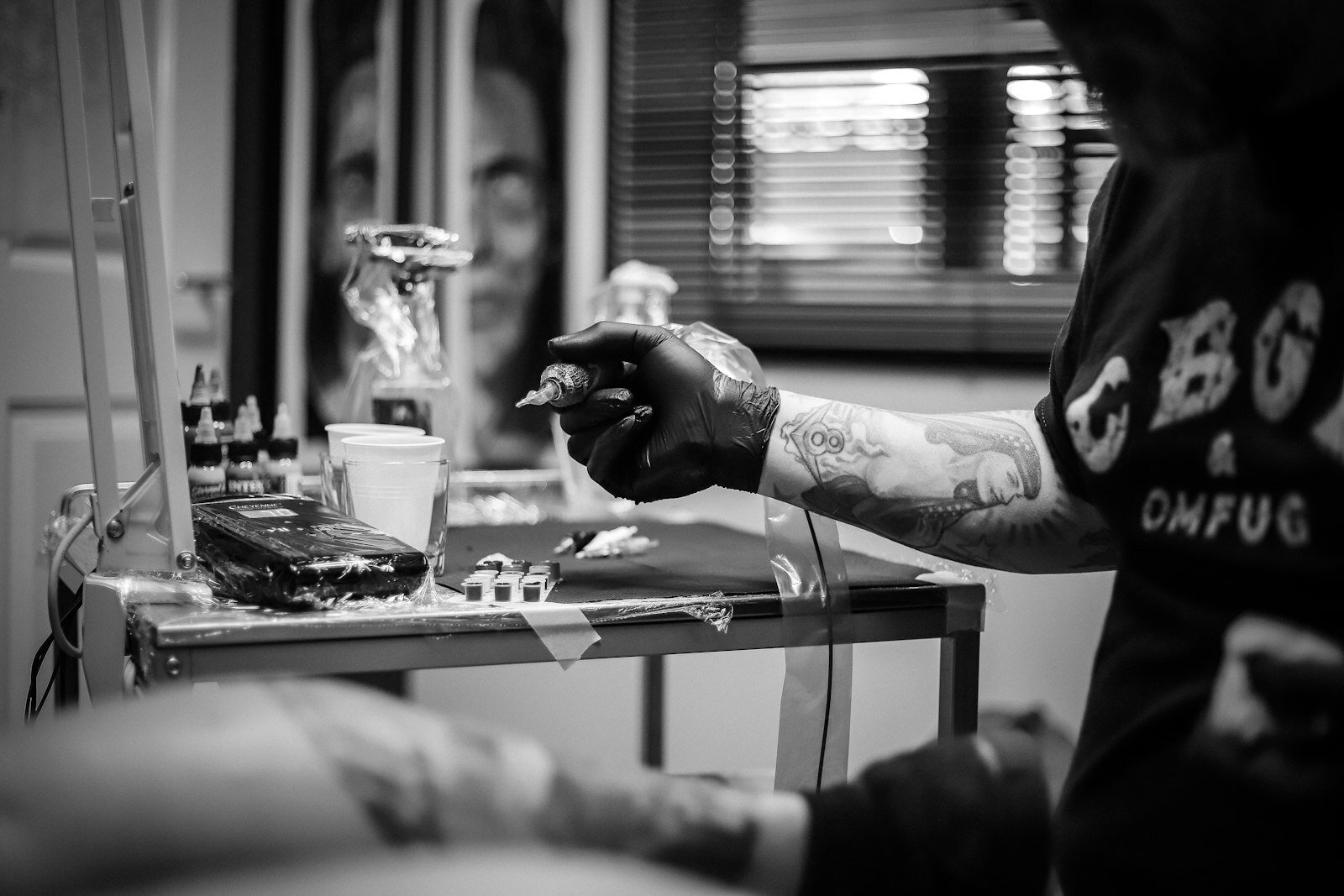
According to Zietz, LemonLime hosted a gathering in late July after Y Combinator’s Startup School, and he brought in a professional tattoo artist for the event. His LinkedIn post said attendees were “offered an instant interview” if they got a LemonLime tattoo, a line that spread quickly across tech circles and helped ignite the backlash.
The reaction was immediate and intense. Critics accused the founder of turning a hiring event into a coercive spectacle, with some commenters arguing that asking young job seekers to make a permanent mark on their bodies for a chance at an interview was unethical and exploitative. A screenshot of the post traveled widely on X, where reactions framed the stunt as symptomatic of a distorted labor market.
But Zietz now says the public understood the post too literally. In his account, no one was forced to get tattooed, and no one needed to do so to be considered for a job.
Zietz says the event was never a formal condition of employment, and that anyone who wanted an interview could receive one regardless of whether they got ink.
How did the tattoo event work?
The tattoo setup was more free-form than the viral version suggested. Zietz says the flash designs included citrus imagery such as lemons and limes, but attendees were not limited to company branding. At least one participant reportedly chose a personal design and said she was not looking for a job at all.
He also says a number of people who got tattoos never intended to discuss employment. In his telling, they simply wanted a complimentary tattoo and treated the station as a novelty attraction at the party.
That distinction matters because the online criticism focused on the perceived pressure of linking a permanent body modification to career access. Zietz’s defense rests on the idea that the tattoo was a social icebreaker and cultural signal, not an application requirement.
Who actually got tattooed?
Zietz says three of LemonLime’s five employees got LemonLime-themed flash tattoos, including him and cofounder Daniela Muñoz. He also said at least one non-employee left with a tattoo. The founder emphasized that he personally participated and that he is not asking others to do anything he would not do himself.
That detail is central to his explanation of the stunt. Zietz argues that the founder-led participation showed the event was meant as a shared joke and a display of eccentricity, not an attempt to strong-arm candidates.
Zietz says his view is simple: he would not ask anyone else to do something he was unwilling to do himself.
Why did the backlash spread so fast?
The backlash spread quickly because the original wording sounded like a hiring gatekeeping tactic wrapped in startup bravado. In an era when young workers are already skeptical of exploitative labor practices, the idea of an “instant interview” tied to a tattoo seemed to many like a pitch-perfect example of Silicon Valley excess.
The viral response also landed at a moment when AI startups are competing aggressively for attention, talent and credibility. Founders often use unconventional branding to stand out in a crowded market, but those same attention-grabbing moves can backfire when they appear to blur professional boundaries.
Critics were particularly sensitive to the implied power imbalance. Even if the tattoo was optional, the presence of a founder, a startup brand and a job opportunity in the same room can make “choice” feel less voluntary than it looks on paper.
Why do people see a power problem here?
People see a power problem because job seekers often feel pressure to signal enthusiasm, even when an ask is unusual or uncomfortable. If a founder frames a stunt as fun while also hinting it may help with hiring, candidates may worry that saying no will reduce their chances.
That is why the event resonated far beyond a niche startup crowd. For many observers, it became less about tattoos and more about how far founders can push “culture” before it becomes a test of obedience or tolerance for founder theatrics.
How Zietz is framing the stunt now
Zietz now describes the moment as part sincere and part performance. He says the tattoo station was intentionally “out there” so attendees could decide whether LemonLime’s style felt exciting or off-putting. In his view, that reaction revealed something useful about compatibility with the company.
He says LemonLime is trying to hire people who are comfortable with what he calls an eccentric approach to work and life. The founder argues that this is not a side issue; for him, it is the central hiring criterion.
Zietz says culture is the company’s top priority and that LemonLime wants people who would genuinely enjoy being around the team for long stretches, day after day.
That statement helps explain why the company’s hiring process appears designed less around conventional polish and more around shared temperament. The pitch is essentially that LemonLime is filtering for people who can handle an unusual environment, even if that environment looks absurd from the outside.
What does Zietz mean by “culture fit”?
In practice, Zietz appears to mean tolerance for unpredictability, humor and high-intensity startup life. He says LemonLime receives hundreds of applications a day, most of them from applicants who present themselves as hyper-professional and fully polished.
His view is that those candidates are often not right for the company because they are too conventional for a team built around experimentation and personality. That may sound refreshingly candid to some founders and deeply troubling to others, depending on how much weight they give to style over structure.
He also ties that philosophy to a long work culture of intense collaboration. By his own account, LemonLime is looking for people who could happily spend most of their waking hours with the same small group of coworkers.
That is a revealing statement in itself. It suggests a workplace model that prizes immersion, closeness and nonstop energy — the kind of ethos that many young startups celebrate, but which can also create unhealthy expectations if not carefully managed.
Background: a founder who has leaned into spectacle before
Zietz is not new to attention-grabbing behavior. While at Stanford, he was suspended from his role as the university mascot, the Tree, after unfurling a banner that read “Stanford Hates Fun” during a football game. Before LemonLime, he also co-founded a social media company called Confetti.
He says a skydiving interview was once part of the hiring process at that earlier startup, and that pattern helps explain why few people were surprised that his latest recruiting gimmick involved body art. To Zietz, these are not random stunts but a consistent strategy for finding people who are unusually willing to embrace risk and weirdness.
That approach may help a startup stand out, but it also makes public interpretation harder to control. Once a founder puts an unconventional recruiting tactic into the world, the internet will usually decide whether it looks clever, manipulative, or both.
Timeline of the LemonLime tattoo controversy
The controversy unfolded over a matter of days, from party stunt to viral criticism to damage control. The sequence matters because it shows how quickly a small founder post can turn into a wider conversation about work culture.
| When | What happened | Why it mattered |
|---|---|---|
| Late July | LemonLime hosted a party after Y Combinator’s Startup School, with a tattoo artist on site. | The event created the conditions for the viral LinkedIn post. |
| Shortly after | Zietz posted that attendees could get an instant interview by getting a tattoo. | The wording made the event sound like a hiring requirement. |
| Within hours | Comments and reposts on LinkedIn and X criticized the stunt. | The backlash focused on ethics, coercion and power imbalance. |
| Tuesday interview | Zietz told WIRED the tattoo was not required and interviews were available to anyone. | He tried to reframe the event as optional and culture-oriented. |
| Following Monday | Zietz got the actual LemonLime logo tattooed on himself. | He used his own tattoo as proof that he was willing to participate personally. |
What the criticism says about startup hiring culture
The reaction to LemonLime’s tattoo stunt was not just about one founder’s joke. It tapped into broader anxieties about startup hiring, especially the way young companies use “culture” to justify decisions that might otherwise seem exclusionary or immature.
In many tech circles, unconventional recruiting can be admired as a filter for originality. But when the filter becomes performative or socially risky, it can drift into territory that looks like hazing. That is especially true when the event involves aspiring workers who may already feel pressure to prove themselves.
The larger question is whether startups are selecting for capability or for comfort with a founder’s personality. If the latter becomes too important, critics say, then companies may end up excluding strong candidates who simply do not want to play along.
How unusual is this compared with normal recruiting?
It is far outside standard recruiting because normal hiring tends to minimize ambiguity, not amplify it. Traditional interviews are designed to evaluate experience, skill and fit through structured questions, whereas LemonLime’s approach intentionally introduced a spectacle that candidates had to interpret for themselves.
That may be effective as a filter for a tiny, high-context team, but it is a risky model to scale. The more a startup relies on personality theater, the more likely it is to create confusion about what is optional, what is expected and what might affect a hiring decision.
What does this mean for LemonLime?
For LemonLime, the immediate consequence is reputational: the company is now known at least as much for a viral tattoo debate as for its product. That kind of attention can be useful for a young startup, but it can also make hiring harder if candidates view the company as unserious or ethically slippery.
At the same time, controversy can be a feature, not a bug, in some early-stage founder strategies. Zietz appears to believe that people who were genuinely offended were not the kind of employees LemonLime wants anyway. In other words, the backlash itself may have served the company’s stated filtering goal.
That is a calculated gamble. The company may attract applicants who like irreverence, but it may also repel experienced candidates who want clarity, professionalism and a work environment where the joke is not the hiring process.
Why the story keeps getting attention
The story keeps getting attention because it sits at the intersection of several persistent internet fascinations: tattoos, startup culture, founder ego, job-seeker anxiety and the blurred line between authenticity and performative authenticity. Each of those themes is clickable on its own; together, they create a perfect viral argument.
There is also a generational angle. Younger workers are often told to be themselves, but they are also expected to present professionally and protect their own boundaries. A startup event that turns self-expression into an implied hiring test touches a nerve because it collapses those two contradictory expectations into one gesture.
Zietz’s insistence that the tattoos were optional may not fully erase the discomfort because the original post already did the damage. Once people believe a founder is willing to dangle a job opportunity around a stunt, the clarification often arrives too late to change the emotional reading.
Key facts at a glance
The table below summarizes the essentials of the controversy and why it matters in the broader startup conversation.
| Topic | Details |
|---|---|
| Founder | Jordan Zietz, 24, cofounder of LemonLime |
| Company | AI startup focused on small businesses |
| Event | Party after Y Combinator’s Startup School in late July |
| Stunt | On-site tattoo artist and a LinkedIn post about an “instant interview” |
| Backlash | Criticism over ethics, coercion and workplace power dynamics |
| Clarification | Zietz says tattoos were not required and interviews were optional |
| Company culture | Founder says LemonLime prioritizes eccentricity and strong cultural alignment |
Where this leaves the founder’s argument
Zietz is not denying that the post sounded provocative. Instead, he is arguing that provocation was the point: to see who laughed, who recoiled and who understood the company’s tone. In that reading, the tattoo station was a deliberately weird audition for a weird startup.
That defense will probably satisfy some observers and irritate many others. Supporters may see a founder being honest about the importance of personality in an early-stage company. Critics will see a founder disguising a soft screening tactic as a joke.
Either way, the episode highlights a reality of modern startup branding: in a crowded market, founders are not only selling products, but also themselves. When that self-branding goes too far, it can create headlines faster than it creates trust.
Bottom line
LemonLime’s tattoo controversy is less about body art than about hiring power, startup performance and the limits of “culture fit” as a recruiting philosophy. Zietz says no one had to get inked for a job, but the viral post that launched the scandal was written in a way that made many readers assume otherwise.
For a company built around AI for small businesses, the episode is an awkward reminder that founders still have to convince people they can be innovative without crossing into coercive theater. In the tech world, that line is often blurred. In this case, the internet decided it had seen the blur first.
Frequently asked questions
Did LemonLime require job seekers to get tattoos for an interview?
No, according to founder Jordan Zietz, tattoos were not a requirement for employment or even for getting an interview. He says attendees could still talk to the team without participating, though the original LinkedIn wording made the event sound otherwise.
Why did the tattoo stunt upset people online?
It upset people because the post appeared to link a permanent body modification with access to a job opportunity. Many critics saw that as a coercive power play and a bad example of startup hiring culture, especially for young candidates trying to break into tech.
What is LemonLime?
LemonLime is an AI startup aimed at helping small businesses, founded by Jordan Zietz. The company became widely discussed not for its product, but for the viral tattoo controversy that brought attention to its hiring style and founder-led branding.
What did Zietz say was the point of the event?
Zietz said the tattoo station was meant to test cultural alignment and show whether people found LemonLime’s style exciting or off-putting. In his view, that reaction helped identify candidates who would fit the company’s eccentric, high-energy environment.