In short
Road-safety advocate Steve Eimers has halted his ALPR campaign after several Flock cameras he highlighted were damaged and police charged a suspect with felony vandalism. The case highlights the clash between surveillance technology, roadside safety, and online escalation.
- Steve Eimers, known as The Guardrail Guy, expanded from guardrail advocacy to ALPR camera safety concerns.
- Police say four Flock cameras in Tennessee were shot and a suspect was charged with felony vandalism.
- Eimers says the online backlash and damage convinced him to stop posting about ALPRs for now.
- Flock says it is conducting a nationwide audit of installations but has not detailed the review.
Steve Eimers, the Tennessee road-safety advocate known online as “The Guardrail Guy,” has stopped posting about automatic license plate readers after several cameras he highlighted were reportedly vandalized and one suspect was charged in connection with the damage. The episode matters because it has intensified debate over roadside surveillance, public safety, and the risk that online criticism can spill into real-world destruction.
Eimers built a large following by documenting guardrail failures after his teenage daughter was killed in a crash in 2022. This spring, he turned his attention to automatic license plate readers, or ALPRs, arguing that some installations may be too close to guardrails or mounted in ways that compromise roadside safety during a collision. But the reaction to his videos went far beyond engineering concerns, drawing hostility, calls for vandalism, and, eventually, damaged equipment that local police say was intentionally shot.
What happened to the cameras?
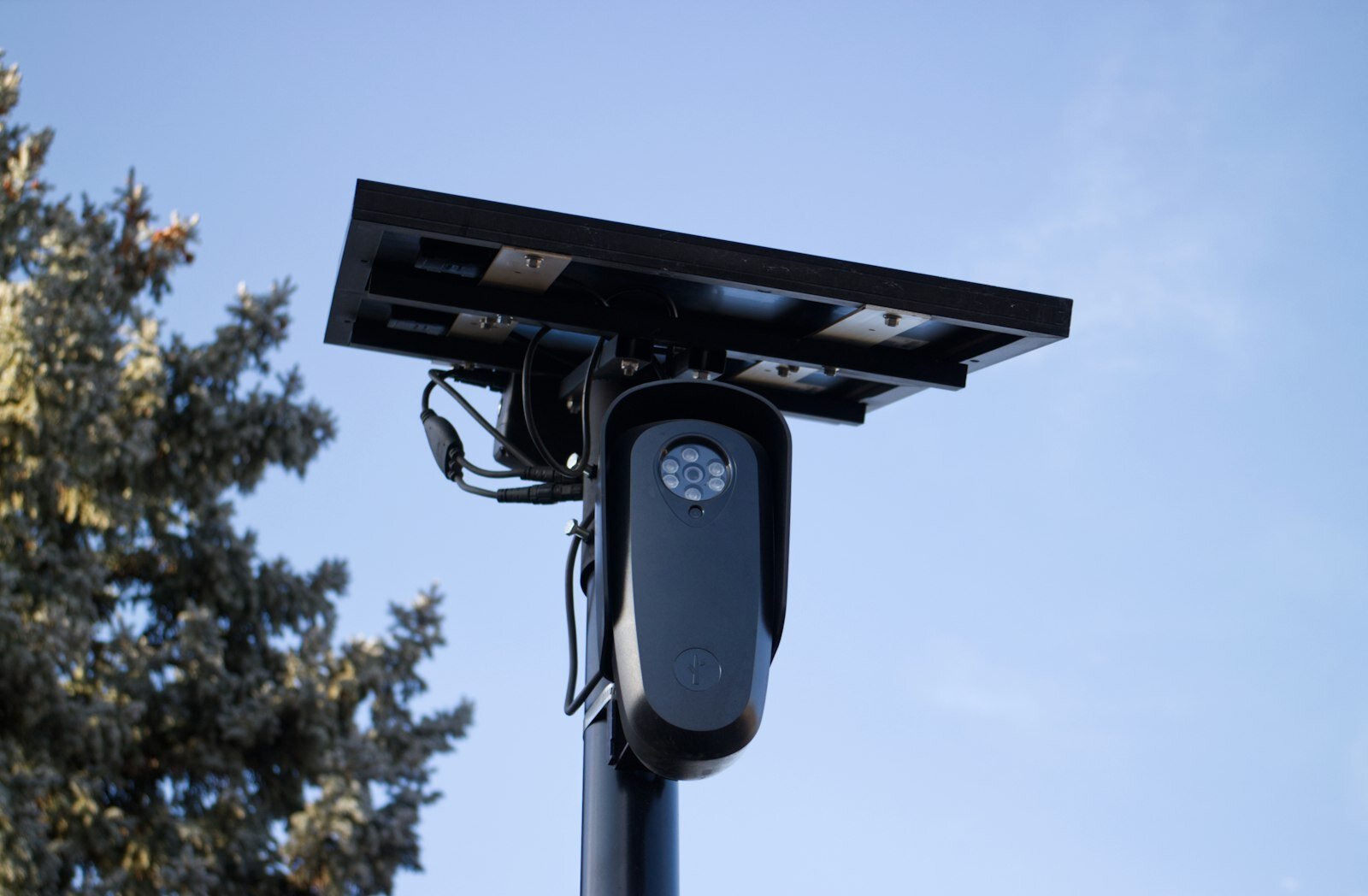
Several ALPR cameras in Tennessee were found badly damaged in late July, and investigators say one man has been charged in connection with the incidents. According to local authorities, the damaged devices were Flock cameras, part of a surveillance network used by law enforcement and other public safety agencies across the United States.
Eimers says he had posted about two of the cameras before they were destroyed. After seeing the damage while driving home with one of his daughters, he concluded he needed to stop making ALPR-related posts for the time being.
The vandalism followed weeks of growing online hostility around the issue. What began as a discussion about whether camera mounts were crashworthy turned into a broader fight over privacy, policing, and surveillance on American roads.
| Key detail | Information |
|---|---|
| Advocate | Steve Eimers, known as “The Guardrail Guy” |
| Issue first raised | Guardrail safety, beginning in 2022 |
| New focus | Automatic license plate readers, or ALPRs |
| Company involved | Flock Safety |
| Police action | Felony vandalism charges announced July 31 |
| Company footprint | More than 120,000 ALPRs in 49 states |
Why did Steve Eimers start speaking out?
Eimers first became known for a very different safety mission: exposing guardrail installations he believed were dangerous or poorly maintained. He began that work after a personal tragedy in 2022, when his 17-year-old daughter Hannah was killed in a crash involving a guardrail that, in his view, failed to absorb impact as intended.
From there, he turned his public advocacy into a one-man information campaign. His videos, posted across YouTube, TikTok, and X, drew hundreds of thousands of followers and turned him into a recognizable voice in road-safety circles.
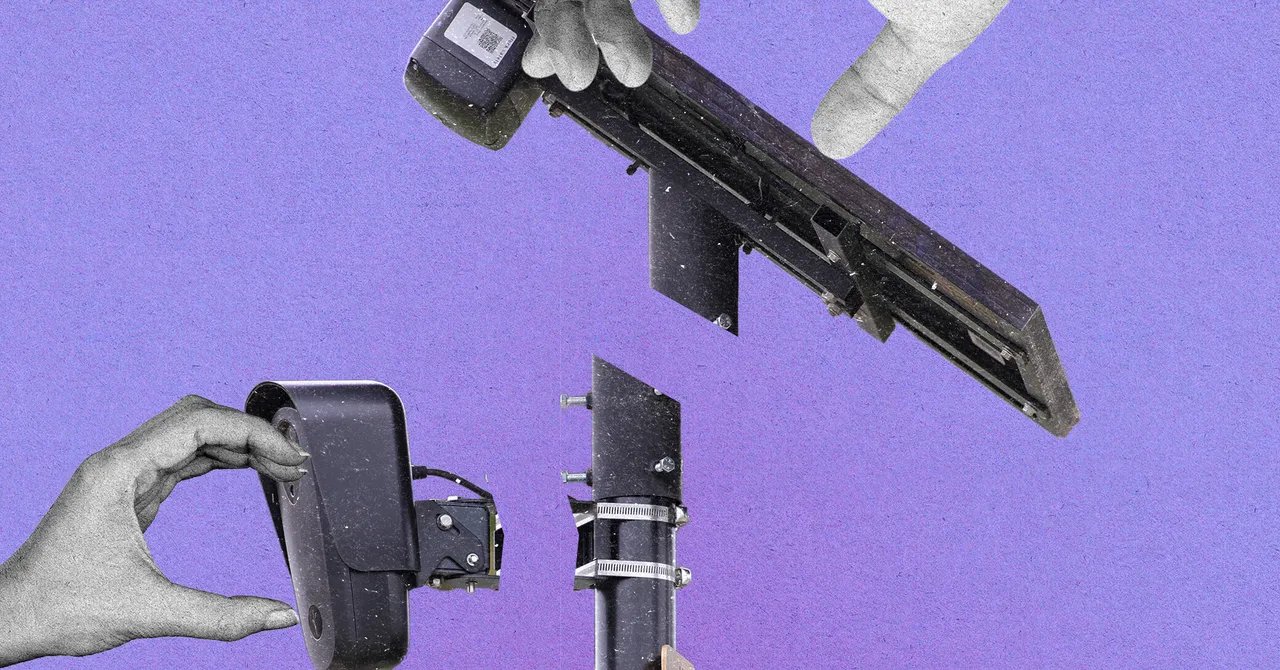
In April, he broadened his focus to ALPRs after concluding that some camera installations could create safety hazards for drivers and passengers. His concern was not the data the cameras collect, but their physical placement along roadways. He argued that cameras installed too near guardrails, or attached to posts meant to break away on impact, might create extra danger in a collision.
How ALPRs became part of the story
ALPRs are mounted cameras designed to capture license plates and vehicle information. They are sold by companies including Flock and Axon and are used by police departments to identify suspect vehicles, track movement patterns, and investigate crime.
Supporters describe the systems as a valuable public-safety tool. Critics argue they enable broad surveillance and can be used in ways that outpace public oversight. Eimers’ videos entered that debate from a different angle, focusing on the hardware’s placement on the roadside and the possibility of crash-related injuries.
That narrower argument quickly collided with a larger political and social backlash against surveillance technology. Many viewers did not engage with the engineering questions at all. Instead, they treated the cameras as symbols of an expanding police-state infrastructure and reacted accordingly.
How did the online reaction escalate?
The online response to Eimers’ ALPR videos reportedly became more extreme over time, including suggestions that the cameras should be destroyed. Eimers says some viewers pressed him to identify exact locations, while others posted theories about valuable metals inside the devices or offered step-by-step vandalism advice.
One comment he highlighted referenced a large pipe cutter and claimed it could cut through a camera mounting structure quickly and quietly. Eimers says that kind of rhetoric made him uneasy long before the physical damage surfaced.
What had once been advocacy about road safety began to look, in his telling, like a magnet for people angry at law enforcement surveillance. The comments reflected a split between those who wanted to debate camera placement and those who saw the devices as targets.
Eimers said he had not seen the level of escalation that followed his ALPR posts in any of his earlier guardrail campaigns, adding that he did not want to reward online provocateurs by continuing to feed the discussion.
Who is Adam Heimerman and what do police say?
Local authorities say Adam Heimerman was arrested and charged with felony vandalism after four ALPR cameras were allegedly shot in the Maryville, Tennessee, area between July 14 and July 22. Police said the case involved the same cameras Eimers had highlighted online.
Heimerman appears to be running for Congress in Tennessee, according to the source material. He did not respond to a request for comment, and no immediate information was available about legal representation on his behalf.
The Maryville Police Department and the Blount County Sheriff’s Office announced the arrest on July 31. A major deputy chief with the Maryville police later confirmed to WIRED that Heimerman was arrested in connection with the damaged cameras Eimers had flagged.
The detail that the destroyed equipment matched Eimers’ posts is significant: it suggests that online attention, whether intended or not, may have helped direct viewers to specific roadside hardware. That does not mean Eimers caused the vandalism, but it does show how quickly digital exposure can intersect with physical risk.
Why are Flock cameras drawing so much controversy?
Flock cameras are controversial because they sit at the intersection of public safety and mass surveillance. The company says its ALPR network helps law enforcement solve crimes. Critics say the same systems can be used to monitor movements in ways that people did not meaningfully consent to.
The company is among the best-known names in the sector and says it operates more than 120,000 ALPRs in 49 states. That scale makes it a major player in the fast-growing market for camera-based policing tools.
But the debate extends beyond privacy. In Eimers’ case, the argument centered on whether installation choices could make roads less safe, especially if a car struck a camera mount during a crash. That created an unusual overlap between a civil-liberties discussion and a transportation-safety dispute.
The resulting controversy has made ALPRs a flashpoint in local government meetings, police policy debates, and community activism. Cities are weighing whether the benefits of the systems outweigh the possibility of overreach, misuse, or poor installation practices.
What did Flock say about the damage?
Flock condemned the vandalism and said damaging public-safety equipment is illegal and dangerous. A company spokesperson said the firm had received relatively few reports of damaged cameras, though it did confirm that a nationwide audit of installations is underway.
The company said destruction of public-safety gear puts communities at risk and cannot be justified.
Flock declined to share the number of damaged devices, and it did not disclose the audit’s full method, schedule, or scope. That leaves important unanswered questions about how many camera placements will be reviewed and what changes, if any, may follow.
The nationwide audit is notable because it suggests the company sees enough concern around installations to examine the network more closely. Whether that review will address spacing, mounting height, proximity to guardrails, or breakaway-post design remains unclear.
How did Eimers decide to step back?
Eimers says seeing the damaged cameras in person left him rattled. After noticing the destroyed equipment during a drive with one of his daughters, he decided to suspend ALPR advocacy indefinitely.
He says the incident made the conversation feel less like a public-safety debate and more like a provocation cycle. Rather than continue posting about the cameras, he plans to leave his existing content online and stop creating new ALPR material for now.
That decision is consistent with his stated desire to keep his work focused on what he knows best: guardrails, roadway hazards, and crash-related engineering issues. He says privacy advocates and civil-rights groups are better positioned to lead the broader debate over surveillance.
Eimers said his goal is to “stay in my lane,” both literally and figuratively, and to let specialists in civil liberties handle the surveillance angle.
He also says he fears a scenario in which someone attacks a camera and the confrontation escalates into a shooting or police chase. In his view, the greatest danger is not simply property damage, but the possibility of someone getting hurt.
What does this say about surveillance in America?
The episode illustrates how surveillance technology can provoke emotions that range from skepticism to outright rage. ALPRs are not new, but their rapid spread has given them a far larger public footprint than many people realize. When cameras are attached to poles, signs, or roadside structures, they become visible symbols of state power rather than invisible back-end tools.
That visibility matters. To residents who notice them in their neighborhoods, cameras can feel like a constant reminder that every vehicle movement may be recorded. To law enforcement, they are often just another investigative resource. To road-safety advocates like Eimers, they are also physical objects that must survive crashes without making roads more dangerous.
The overlap of those perspectives helps explain why ALPRs have become such a loaded topic. The debate is not simply about data collection. It is about where the cameras sit, who controls the footage, how long records are kept, and whether the hardware itself is compatible with safe roadside design.
The damage in Tennessee adds another layer: online outrage can turn into real-world sabotage. That makes the question of public accountability even more urgent, because vandalism does nothing to resolve privacy concerns and may instead create new hazards for drivers, police, and bystanders.
Timeline of events
The following timeline shows how a roadside-safety campaign turned into a controversy involving surveillance, social media, and alleged vandalism.
| Date | Event | Why it mattered |
|---|---|---|
| 2022 | Eimers begins posting about guardrail problems after his daughter’s fatal crash | Launches his public road-safety advocacy |
| April 2026 | He starts discussing ALPR placement and crashworthiness | Expands his safety campaign into surveillance hardware |
| July 22, 2026 | Eimers posts that Flock will conduct a nationwide audit | Signals company scrutiny of camera installations |
| July 25, 2026 | Eimers discovers damaged cameras he had previously documented | Triggers his decision to stop ALPR advocacy |
| July 31, 2026 | Police announce a felony vandalism arrest | Confirms an active criminal case tied to the camera damage |
What happens next?
For now, Eimers says he is done posting about ALPRs, but the broader issue is unlikely to go away. Flock’s audit may reveal whether installation practices need to change, and police agencies will continue evaluating how these cameras fit into their investigative work.
The case also places attention on the consequences of publicizing exact device locations. Transparency can help communities understand what is installed in public spaces, but it can also make those devices easier to target. That tension will likely remain central to the debate over roadside surveillance.
Meanwhile, the alleged vandalism could strengthen the argument that ALPR critics should focus on legal and political channels rather than destruction. If the goal is to limit misuse, the episode suggests that burning out cameras only hardens positions and raises safety risks for everyone else on the road.
For Eimers, the personal conclusion is simpler. He says he wants to keep working on guardrails and roadway hazards, avoid further escalation, and let the surveillance debate be handled by those who specialize in privacy and civil rights. Whether his posts helped spur a needed safety review or unintentionally spotlighted vulnerable equipment, his story now sits at the center of a larger national argument about how much monitoring Americans will accept on their roads.
Key facts at a glance
- Eimers first became a public advocate after his daughter died in a guardrail-related crash in 2022.
- He began posting about ALPRs in April, focusing on installation safety and crashworthiness.
- Police say four Flock cameras were shot in the Maryville, Tennessee, area between July 14 and July 22.
- A felony vandalism arrest was announced on July 31.
- Flock says it is conducting a nationwide audit of camera installations.
Frequently asked questions
Why did Steve Eimers stop posting about ALPR cameras?
He stopped because several cameras he had highlighted were found badly damaged, and he says the reaction to his posts had become increasingly hostile. Eimers said the episode made him worry about escalation and safety, so he decided to pause all ALPR-related advocacy indefinitely.
What are ALPR cameras used for?
ALPR cameras, or automatic license plate readers, are used to capture vehicle and license plate data that can help police track suspect vehicles and investigate crimes. Supporters say they improve public safety, while critics argue they can enable broad surveillance and misuse.
What did police say happened in Tennessee?
Police said four ALPR cameras were shot in the Maryville, Tennessee, area between July 14 and July 22. Authorities announced a felony vandalism arrest on July 31 and said the case involved the same cameras Eimers had previously discussed online.
What is Flock doing after the vandalism reports?
Flock says it is conducting a nationwide audit of its camera installations. The company has not shared the review’s full scope or timetable, but it confirmed the audit and condemned the vandalism as illegal and dangerous.