In short
Donald Trump publicly suggested Tim Cook should replace Jensen Huang as Nvidia’s leader after Huang’s resignation, a move that turned a corporate succession issue into a political flashpoint. Reports from TechCrunch, The Verge and TimesNow differ on the surrounding context, but all point to a high-stakes leadership transition at one of the world’s most important AI chipmakers.
- Trump named Tim Cook as the person he believes can replace Jensen Huang at Nvidia.
- TechCrunch said the Truth Social post followed Huang’s resignation news on Thursday.
- TimesNow reported Nvidia will pursue an internal/external CEO search and may use Colette Kress as interim chief.
- The Verge said Trump discussed Huang at a White House briefing and did not commit to raising the issue with Xi.
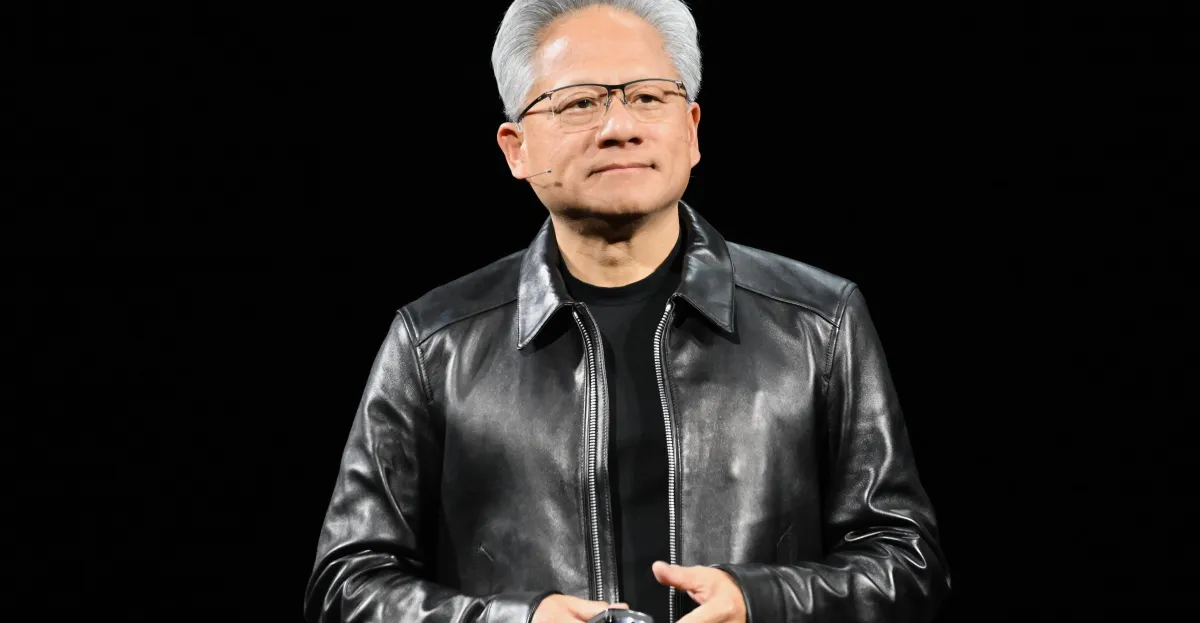
President Donald Trump has floated Apple executive chairman Tim Cook as a possible successor to Jensen Huang after Huang’s resignation from Nvidia, turning a corporate leadership question into a fresh White House talking point. The suggestion matters because Nvidia sits at the center of the AI chip boom, and any uncertainty over its leadership can ripple through markets, policy debates, and Washington’s relationship with Big Tech.
What Trump said and why it landed
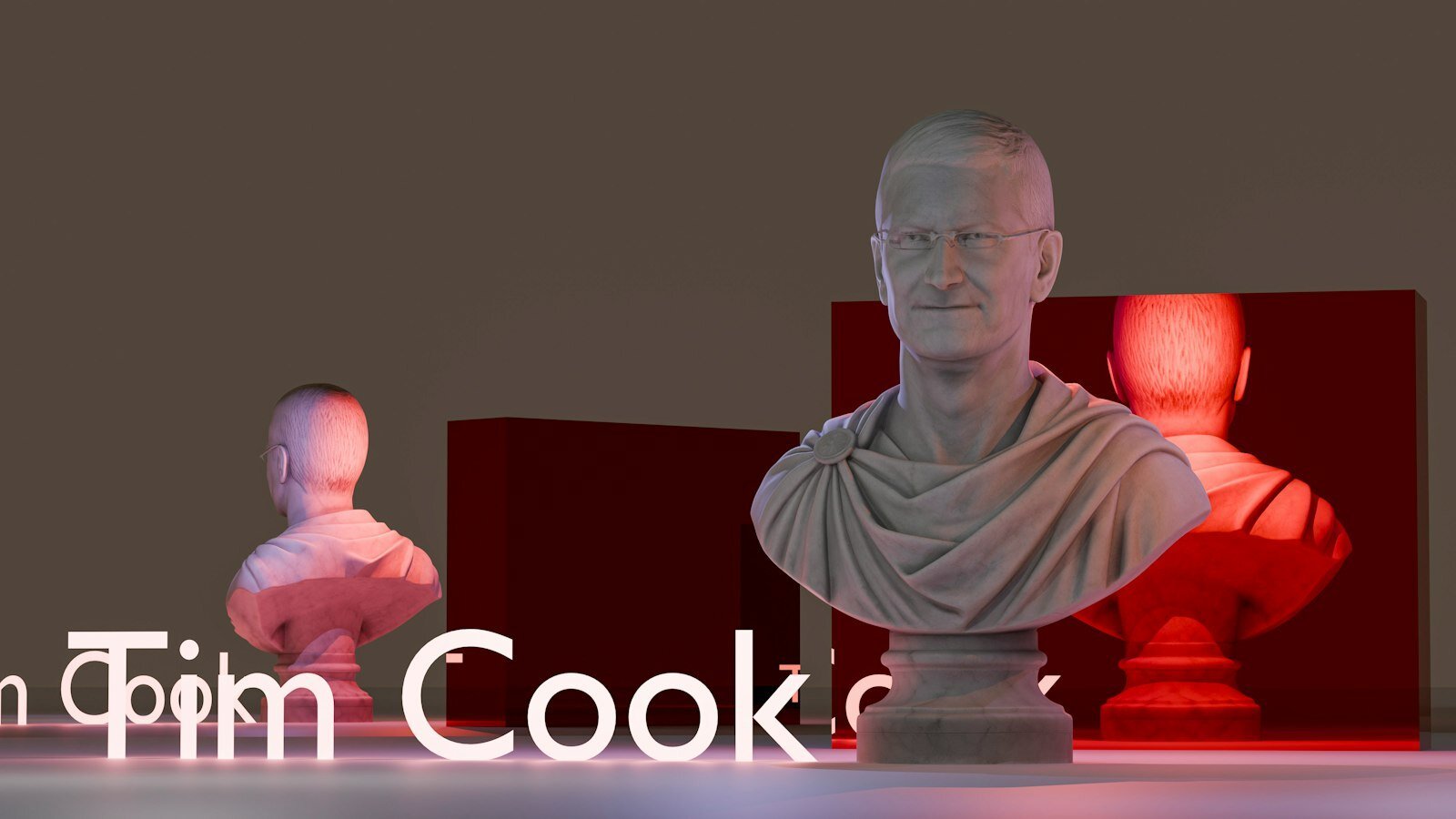
Trump used Truth Social to argue that Cook is the only man who can replace Huang, a remark that TechCrunch said came after news of Huang’s resignation on Thursday. He also posted, “A Legend replaces a Legend!” according to TechCrunch, framing the transition in personal terms rather than as a formal corporate succession process.
TimesNow reported the same basic thrust: Trump suggested Cook should succeed Huang and portrayed him as the only person suited to take over Nvidia leadership. The tone of the post, however, leaves room for interpretation. It reads partly like an endorsement, partly like a provocation, and partly like a social-media reflex aimed at one of the world’s most consequential technology companies.
Trump’s public comments are especially notable because they tie together two companies that usually sit in different lanes. Apple is a consumer-device giant. Nvidia is the chipmaker most associated with the AI infrastructure race. Linking the two through a CEO succession rumor underscores how Trump often treats corporate leadership as a stage for broader political narrative.
Who is Tim Cook in this story?
Tim Cook is not in line to become Nvidia chief, and there is no indication from the fact sheet that he is a formal candidate. But his name carries weight because he recently stepped down as Apple CEO on Sept. 1, 2026 after 15 years and moved into the role of executive chairman, with John Ternus becoming CEO, according to TechCrunch.
That history matters because Cook is still deeply involved in Apple’s highest-level external relationships. TechCrunch reported that he continues to handle global policymaker outreach and China-related international ties for the company. In other words, Cook remains a visible corporate diplomat even after handing the CEO title to Ternus.
That is one reason Yale’s Jeffrey Sonnenfeld separately argued that Cook should be on the list of possible successors. TechCrunch said Sonnenfeld cited Cook’s record succeeding founder-led companies. Whether or not that case has practical relevance to Nvidia, it helps explain why Cook’s name is the sort that can surface quickly in a conversation about major CEO transitions.
Why is Nvidia leadership such a sensitive issue?
Nvidia is not just another public company changing executives. It is one of the most important chipmakers in the world, and Huang has long been its public face. A leadership transition there will be watched not only by investors but also by policymakers and customers who depend on Nvidia’s AI chips and software ecosystem.
That is why even an offhand public comment can attract immediate attention. When a company sits at the center of a strategic industry, succession becomes more than a personnel matter. It becomes a test of continuity, confidence, and control.
TimesNow said Nvidia plans to conduct an internal and external search for a permanent CEO. The same report said Colette Kress would serve as interim CEO while remaining chief financial officer, and that she has been Nvidia’s CFO since Sept. 2013. If accurate, that setup signals an effort to keep the business steady while the board looks beyond a single immediate replacement.
How do the reports differ?
All three outlets point to the same basic event: Trump publicly singled out Cook after Huang’s resignation news. But they frame the surrounding details differently, and those differences matter.
TechCrunch emphasizes the Truth Social post and the timing, saying Trump’s comment was prompted by the resignation news on Thursday. TimesNow focuses more squarely on the succession angle and the idea that Trump sees Cook as uniquely qualified. The Verge, meanwhile, places the episode within a separate White House briefing in which Trump was asked about Huang and the matter involving an alleged affair or spying allegation.
That split is useful because it shows the story is not simply about one post. It also involves the way Trump has publicly talked about Huang, a reported denial, and a broader geopolitical backdrop. The Cook comment is only one piece of a larger, unstable narrative.
What happened at the White House briefing?
The Verge reported that Trump was asked about Huang during a White House press briefing on Nov. 9, 2026, and said he had spoken with Huang that day. According to the outlet, Trump was vague about when he learned of the alleged affair or spying matter, and he relayed Huang’s denial that he knew the woman was a spy.
Trump also did not commit to raising the matter with Xi on his next trip, The Verge reported. That matters because it suggests the White House was not prepared to turn the issue into a formal diplomatic confrontation, even as Trump publicly entertained comments about Huang and Nvidia’s leadership future.
“I had no idea that she was a spy.”
That quote, reported by The Verge, is one of the few direct lines available in the fact sheet about Trump’s handling of the matter. It underscores the unusual mixture of corporate succession gossip, personal denial, and foreign-policy ambiguity that now surrounds the Nvidia storyline.
Why it matters
This is not just a celebrity-style CEO rumor. Nvidia is one of the most strategically important companies in the technology sector, and any discussion about who follows Huang has implications for investors, suppliers, regulators, and the broader AI ecosystem.
For readers, the story matters because it shows how much influence a president can exert over the narrative around a public company, even without any formal role in its governance. A throwaway post on Truth Social can shape headlines, move attention, and force a response from the market or from Washington.
For the market, leadership stability is often as important as product execution. If a company like Nvidia is perceived to be in a transition period, even briefly, stakeholders will want reassurance that the roadmap, customer relationships, and policy posture will not shift abruptly.
For the region and the broader tech sector, the episode also reflects how U.S. technology leadership is increasingly entangled with politics. Nvidia’s business touches AI, trade, China policy, and advanced manufacturing. A CEO search there is never just an internal personnel exercise.
Background: how we got here
Tim Cook’s name did not appear out of nowhere. He has spent years as one of the best-known executives in U.S. business, and his succession at Apple is already established. TechCrunch reported that he stepped down as Apple CEO on Sept. 1, 2026 after 15 years and became executive chairman, while John Ternus took over as CEO.
That move left Cook with a different but still powerful role. He remains involved in policymaker outreach and international ties, especially involving China. That gives him the kind of high-level political visibility that can make his name sound plausible in any discussion of leadership at a global tech company.
Jensen Huang, by contrast, has been closely identified with Nvidia’s rise and public identity. The fact sheet does not explain his resignation, and it does not say whether the decision was expected or sudden. That uncertainty is part of the story’s force. When the cause is unclear, speculation fills the gap.
Company succession searches often split between internal continuity and outside credibility. TimesNow’s report that Nvidia will use an internal/external search suggests the board is keeping both options open. In practical terms, that is a standard but high-stakes move: it preserves flexibility without signaling a final answer.
Timeline of the day’s key developments
| Date | Development | Source |
|---|---|---|
| Wednesday | Jeffrey Sonnenfeld published a Time op-ed naming Cook as a possible Huang successor. | TechCrunch |
| Thursday | Huang resignation news prompted Trump’s Truth Social post backing Cook. | TechCrunch |
| 2026-11-09 | Trump answered White House questions about Huang and said he had spoken to Huang that day. | The Verge |
| 2026-11-12 | TechCrunch and TimesNow reported Trump’s Cook endorsement. | TechCrunch / TimesNow |
By the numbers
| Metric | Detail | Why it matters |
|---|---|---|
| 15 years | Cook’s tenure as Apple CEO | Shows the depth of his executive track record. |
| Sept. 1, 2026 | Date Cook left the Apple CEO role | Explains why his name remains current in succession talk. |
| Sept. 2013 | Kress’s start as Nvidia CFO | Signals continuity if she becomes interim CEO. |
What Trump may be doing politically
Trump’s comment can be read as more than an opinion about management talent. By elevating Cook, he is inserting himself into the storyline around a major tech company at a moment when Nvidia’s future is already under scrutiny. That can be a way to project authority, reward familiarity, or simply dominate the news cycle.
The fact that Trump’s wording was dramatic but not procedurally meaningful also matters. He is not appointing a successor. He is shaping a frame. The difference is important, especially for a company that must now manage investor confidence and internal morale alongside outside attention.
TimesNow’s report that Kress would be interim CEO is a reminder that actual corporate succession usually runs through board processes, not presidential opinions. Even so, a public endorsement from Trump can still affect perception, particularly when it concerns a company as closely watched as Nvidia.
What happens next
The immediate question is whether Trump’s Cook comment was serious endorsement or an offhand remark made in the middle of a much larger conversation. The fact sheet offers no confirmation either way. That ambiguity will keep the story alive for as long as people are trying to separate political theater from genuine opinion.
The second question is who Nvidia will ultimately choose as permanent CEO. TimesNow’s reference to an internal/external search suggests a process is underway, but the board’s final direction remains unknown. Watch for whether the company emphasizes continuity, technical depth, or external credibility.
A third open issue is whether further reporting clarifies what triggered Huang’s resignation, if anything beyond the resignation itself was involved. The fact sheet does not provide that answer, and the absence of detail is part of why the narrative keeps expanding.
Finally, there is the geopolitical piece. The Verge reported that Trump did not commit to raising the alleged spying matter with Xi on his next trip. That leaves room for the issue to resurface later, especially if the White House is pressed again or if the matter becomes entangled with broader U.S.-China technology tensions.
Bottom line
Trump’s decision to publicly name Tim Cook as the person he believes should replace Jensen Huang does not settle Nvidia’s succession question. But it does show how quickly a corporate leadership transition can become part of a broader political and geopolitical story when AI infrastructure, presidential commentary, and elite executive reputations all collide.
- Trump used Truth Social to back Tim Cook as a possible successor to Jensen Huang at Nvidia.
- TechCrunch said the post came after news of Huang’s resignation on Thursday.
- TimesNow reported Nvidia plans an internal/external search and that Colette Kress could serve as interim CEO.
- The Verge said Trump discussed Huang at a White House briefing and did not commit to confronting Xi about the matter.
Frequently asked questions
Did Donald Trump really suggest Tim Cook should lead Nvidia?
Yes. Trump publicly floated Tim Cook as Jensen Huang’s successor in a Truth Social post, according to TechCrunch and TimesNow. The post did not amount to a formal corporate decision, but it did put Cook’s name at the center of the succession conversation.
Is Tim Cook actually leaving Apple to join Nvidia?
No. The fact sheet does not say Cook is leaving Apple for Nvidia. It says he stepped down as Apple CEO on Sept. 1, 2026 and became executive chairman, with John Ternus taking over as CEO.
Who would run Nvidia if Jensen Huang’s resignation takes effect?
TimesNow reported that Colette Kress would serve as interim CEO while remaining Nvidia’s CFO. The same report said Nvidia plans to conduct an internal and external search for a permanent chief executive.
Why is this story getting so much attention?
Because Nvidia is a major chipmaker at the center of the AI boom, and CEO succession there has market, policy and geopolitical implications. Trump’s comments added a White House dimension to an already sensitive leadership transition.
Did Trump say he would confront Xi about the spying allegation?
No. The Verge reported that Trump did not commit to raising the matter with Xi on his next trip, even after speaking about Huang at a White House briefing and relaying Huang’s denial.