In short
Instagram has launched Effect Builder, a web-based AI tool for creating custom Story filters for U.S. users 18 and older. The feature lets creators use prompts, style images and photo previews, but all public effects still pass safety review.
- Instagram Effect Builder is a web tool for creating custom Story filters with AI prompts.
- The launch is limited to U.S. users aged 18 and older.
- Creators can preview effects on uploaded photos and refine them with follow-up prompts.
- Instagram says approved effects will appear in Stories for anyone to use and link back to the creator profile.
- All submitted effects must pass safety review before public release.
Instagram has launched Effect Builder, a web tool that lets U.S. users aged 18 and older create custom Story filters from AI prompts, according to The Verge. The feature matters because it lowers the technical barrier to making shareable effects while keeping distribution controlled through age limits, location limits and a review process before public release.
What Instagram launched
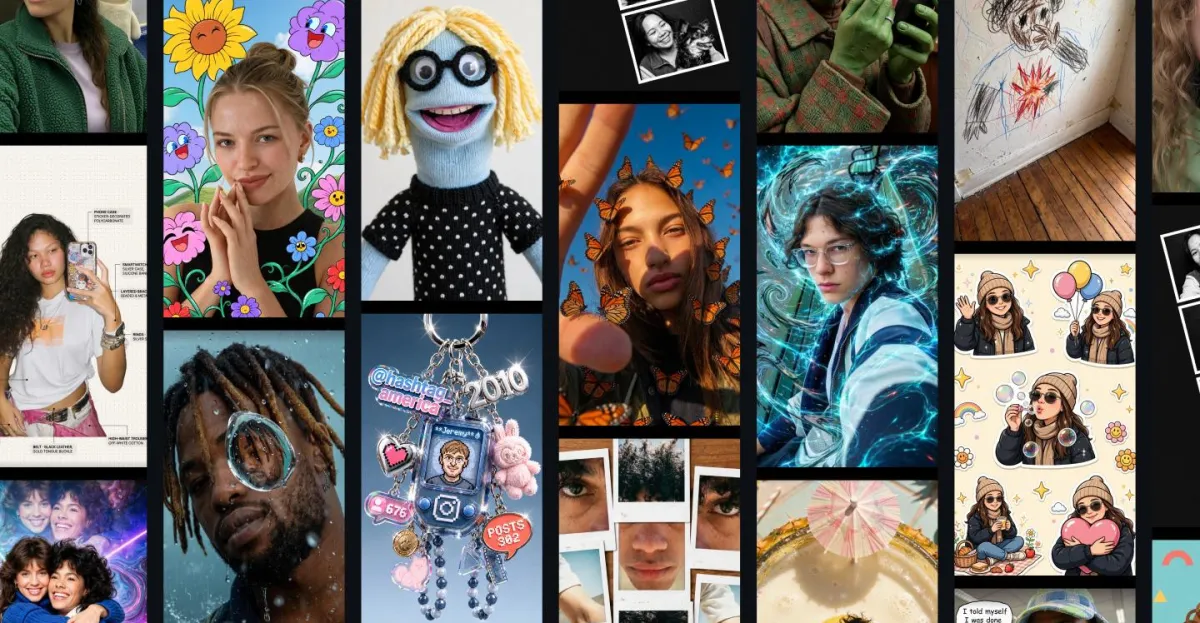
Effect Builder is now live on the web and is designed to turn plain-language prompts into custom Instagram Story filters. The Verge reported that the tool can also use style reference images, giving creators a way to guide the look of the effect instead of relying on text alone.
Users can upload photos to preview how the generated effect looks before they submit it. If the first draft is not close to what they want, follow-up prompts can request changes. Instagram also includes an optional AI prompt-rewrite feature that expands simple instructions into more detailed style prompts.
How the creation flow works
The tool appears to be built for speed as much as experimentation. A creator can start with a short idea, refine it with additional instructions and then review the result on an uploaded image before sending it onward. That matters in a product category where small visual details can determine whether a filter feels playful, usable or disposable.
Instagram is also making the path from creation to distribution more direct. Creators can submit effects to Instagram from inside the tool, rather than exporting them into a separate workflow. According to The Verge, those submissions still have to pass safety review before they can go public.
Why it matters
Effect Builder is more than a novelty feature. It is another sign that Meta is pushing AI deeper into creator tools across its apps, with a focus on reducing the amount of technical skill required to make polished content. For Instagram, that could widen participation among creators who want custom effects but do not have the time, software or design background to build them manually.
The launch may also reshape how visual content spreads on the platform. Instagram says approved effects will appear in Stories for anyone to use, which means a successful filter can travel well beyond the original creator’s audience. That creates a potential upside for discovery and reach, while the review system gives Instagram a gatekeeping role over what gets circulated.
There is a second-order effect too: if AI can make effect design easier, then the supply of filters may grow. That could help smaller creators compete with larger accounts that have traditionally had an advantage in design resources. At the same time, more volume could place greater pressure on Instagram’s moderation and safety checks.
Who can use Effect Builder?
Access is limited at launch to U.S. residents who are 18 or older, The Verge reported. That makes the rollout narrower than Instagram’s global consumer base, and it suggests the company is treating the tool as a controlled release rather than a broad, immediate expansion.
The age limit is notable because Instagram Story effects are inherently social and highly visible. By restricting the feature to adults in one market, Instagram can monitor usage patterns and review outcomes before deciding whether to widen access.
| Launch detail | What The Verge reported |
|---|---|
| Product | Effect Builder for custom Instagram Story filters |
| Availability | Web-based rollout for U.S. users 18+ |
| Creation inputs | AI prompts plus optional style reference images |
| Preview options | Users can upload photos to test generated effects |
| Distribution | Creators can submit effects for safety review and public release |
| Discovery | Approved effects appear in Stories for anyone to use |
Background: Instagram, Meta and the push into AI tools
Instagram’s new filter builder fits a broader pattern at Meta, which has been adding AI features across its apps and creator tools. The company has been increasingly focused on using AI to automate or simplify workflows that once required specialized software knowledge.
That approach is especially relevant on Instagram, where creator tools are part of the product’s identity. Stories are designed for quick, ephemeral sharing, and visual effects have long been one of the ways users personalize those posts. By moving effect creation into a browser-based AI tool, Instagram is effectively trying to make the creation step as easy as the sharing step.
The product also sits within a familiar moderation model. Instagram effects typically go through review before broader availability, and Effect Builder keeps that structure in place. In practice, that means the company is not opening a free-for-all. It is opening a faster, simpler route into a system that is still governed by platform rules.
How this compares with the existing workflow
Before a tool like this, creating a custom effect generally implied more technical effort. What Effect Builder changes is not the existence of review, but the front end of the process. Users can now start with prompts, style references and image previews rather than requiring a more manual production workflow from the outset.
The optional prompt-rewrite feature is also a clue about how Instagram wants the tool to be used. Simple user language can be expanded into more detailed instructions, which could make it easier for casual creators to produce more polished outputs without knowing how to phrase complex design prompts themselves.
What the safety review means
Safety review remains the final gate between a creator’s draft and a filter that the public can use. The Verge reported that submitted effects must pass that review before release, and Instagram says approved effects will show up in Stories for anyone to use.
That review process matters for two reasons. First, it protects the platform from unsafe or inappropriate effects getting wide distribution. Second, it means creators are still working within Instagram’s standards, even if the initial creation step is now easier and faster.
Instagram’s statement that it will link effect use back to the creator profile also points to a built-in attribution model. In a crowded creator ecosystem, that kind of credit can be as important as the effect itself.
“we’ll link back to your profile”
The company also said approved effects “shows up in Instagram Stories for anyone to use,” according to The Verge. Together, those promises suggest Instagram wants to encourage sharing while preserving a visible trail back to the original builder.
By the numbers
The launch is narrow in scope, but the restrictions are central to understanding how Instagram is rolling it out.
| Metric | Figure | Meaning |
|---|---|---|
| Minimum age | 18+ | Only adults can use the tool at launch |
| Geography | U.S. | Availability is limited to American users |
| Launch timing | Nov. 9, 2026 | The Verge reported the rollout on that date |
| Prior product update | Last week | Instagram expanded its Edits app to macOS shortly before this launch |
Background context: why Story effects still matter
Instagram Stories are ephemeral posts, which makes them a natural home for lightweight creative experimentation. Effects can alter the mood of a clip, make a selfie more distinctive or help a creator develop a recognizable style without producing a full video edit.
That is part of why a filter-making tool matters. It targets a feature users already understand and use casually, while giving creators a more efficient way to make something that can spread quickly through everyday sharing. In a platform built on visual identity, even small tools can influence how people present themselves.
The timing is also relevant. The launch follows Instagram’s expansion of its Edits app to macOS the prior week, which suggests a broader run of creator-product updates. Taken together, the two moves point to a company that is tightening the connection between creation, editing and distribution.
What happens next
The biggest open question is whether Instagram will expand Effect Builder beyond the U.S. The Verge did not report a wider rollout date, and there is no indication yet of when, or if, the tool will be available internationally.
Another question is whether Instagram will open access to users under 18. Because the launch is restricted to adults, the company can study how the feature performs before deciding if the age limit should remain in place.
There is also the operational question of scale. As more creators submit effects, Instagram will have to process them through safety review efficiently enough that the tool feels responsive. If the review pipeline becomes a bottleneck, the promise of easy creation could be offset by delays in publication.
Finally, it remains to be seen what kinds of filters people will actually build. The tool could produce branded looks, playful selfie overlays, niche fandom effects or entirely new visual styles. The most useful effects will probably be the ones that balance novelty with simplicity, because those are the ones most likely to be used repeatedly in Stories.
Timeline
Here is the sequence of events reported in The Verge’s coverage and the surrounding rollout:
- Last week: Instagram expanded its Edits app to macOS.
- Nov. 9, 2026: The Verge reported that Instagram launched Effect Builder on the web.
- Launch period: The tool is available to U.S. users 18 and older, with effects subject to safety review before public release.
What readers should watch
If you use Instagram as a creator, the main thing to watch is whether Effect Builder stays niche or becomes a core part of how people make and share Stories. If you follow platform strategy, watch for signs that Meta is folding more AI into creator-facing products with fewer technical barriers and stronger moderation controls.
The launch may look small on its face. But it shows how Instagram is trying to turn AI into an everyday creative layer inside one of its most widely used products, while keeping enough control to decide what gets seen and by whom.
Frequently asked questions
What is Instagram Effect Builder?
Instagram Effect Builder is a web-based tool that lets eligible users create custom Story filters from AI prompts. The Verge reported that it can also use style reference images, and creators can preview the effect on uploaded photos before submitting it.
Who can use Instagram Effect Builder?
Instagram Effect Builder is available only to U.S. users who are 18 or older at launch. The Verge reported that access is limited by both geography and age, which makes the rollout narrower than Instagram’s full user base.
Do Instagram filters made with Effect Builder go live right away?
No, they do not go live right away. The Verge reported that creators can submit effects directly from the tool, but they must pass safety review before public release.
Will other people be able to use approved filters?
Yes, approved effects will appear in Instagram Stories for anyone to use. Instagram also says it will link usage back to the creator profile, giving builders credit when their effects spread.
Why is Instagram adding AI to Story filters?
Instagram is using AI to make effect creation easier and more accessible for creators. The move fits Meta’s wider push to add AI features across its apps and creator tools while keeping moderation controls in place.