In short
TechCrunch Founder Summit 2026 is set for Nov. 4 in Boston, with a one-day agenda built around practical startup advice, live pitching and structured networking. The event is designed for founders and investors seeking direct, useful conversations rather than passive panels.
- TechCrunch Founder Summit 2026 is scheduled for Nov. 4 in Boston at SoWa Power Station.
- The event is built around sessions, live pitching, roundtables and structured networking.
- Build Stage and Impact Stage split the agenda between early company-building and scaling challenges.
- Braindate will power one-on-one and small-group networking in the Lounge.
- TechCrunch is offering pass promotions, including buy-one-get-one-free and group discounts up to 30%.
TechCrunch Founder Summit 2026 will take place on Nov. 4 in Boston, bringing founders and investors together at SoWa Power Station for a one-day program built around practical startup advice, live pitching and high-touch networking. The event matters because it is designed less as a passive conference and more as a working forum where founders can get feedback, make introductions and leave with concrete next steps.
What TechCrunch is planning for Founder Summit 2026
According to TechCrunch, the summit is aimed at founders who want direct, usable guidance rather than broad motivational talks. The schedule is built around candid sessions, roundtables, pitches and networking, with a clear emphasis on helping companies move from early traction to lasting growth.
The event will be staged at SoWa Power Station in Boston, a city that TechCrunch is positioning as a serious startup hub outside the Bay Area. The choice of venue and format points to an event that is intentionally intimate, structured and highly interactive.
How the event is structured
TechCrunch says the summit will include two main content tracks: Build Stage and Impact Stage. Together, they cover the startup problems that matter most once a company is underway — from finding distribution and raising money to managing growth and leading teams.
- Build Stage: distribution, fundraising, team building and pitching.
- Impact Stage: scaling, product-market fit, enterprise relationships, leadership and long-term growth.
- Roundtables: enterprise trust, difficult verticals, AI hallucinations, selling to large customers and operating with smaller teams.
- Pitch session: founders present in “So You Think You Can Pitch?”
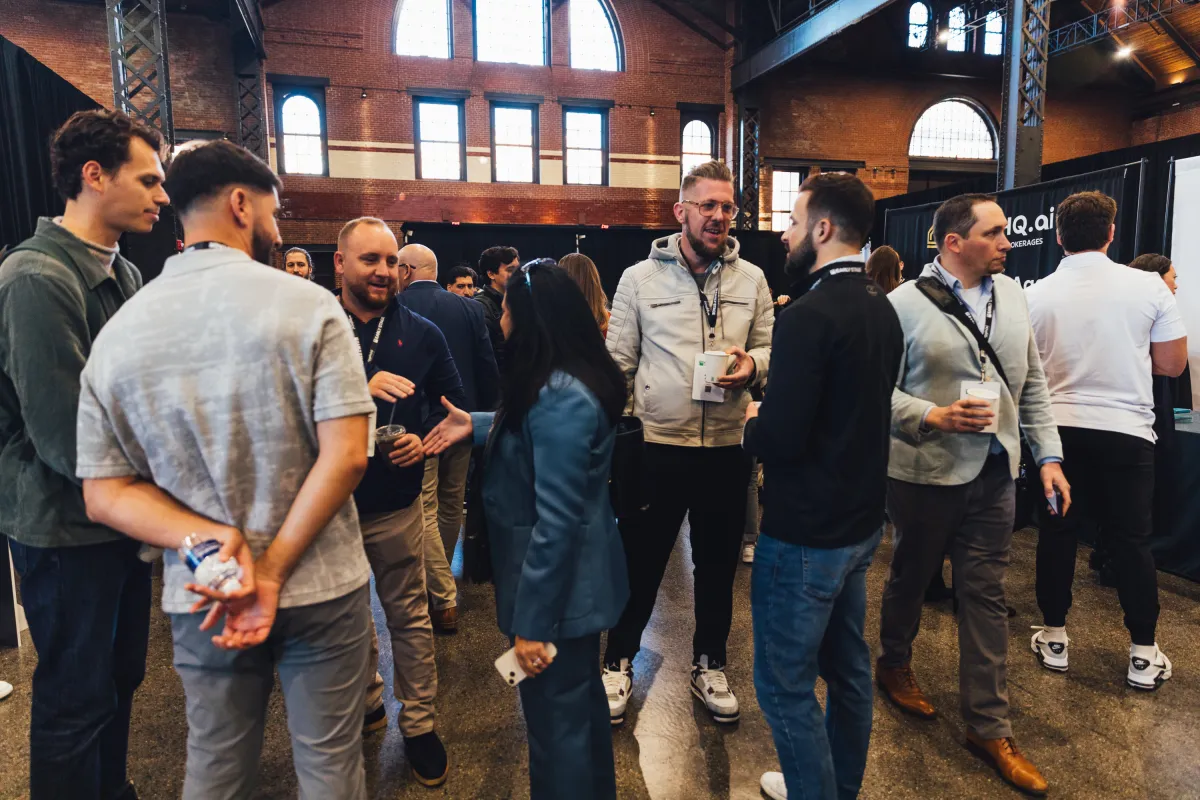
- Networking Lounge: Braindate-powered one-on-one and small-group meetings.
That mix suggests TechCrunch is trying to create a conference that functions as both classroom and marketplace. Founders can listen, but they can also test ideas in front of investors, ask questions in smaller settings and follow up through structured networking.
Why it matters
The summit matters because it reflects what many founders say they need most right now: specific feedback, practical connections and access to people who can help with capital, customers and hiring. In a startup environment where broad advice is easy to find online, a live event only has value if it delivers useful conversations and new relationships.
For investors, the format offers a compact way to spot companies, compare notes with peers and meet founders in person. For founders, especially those still refining product-market fit or trying to sell into large organizations, the value lies in direct access to people who have navigated those problems before.
The Boston location also matters. The city remains one of the country’s major startup centers, and holding a TechCrunch founder event there reinforces the idea that important startup activity is not limited to the Bay Area. For local founders, the summit creates a nearby forum with national visibility. For attendees traveling in, it offers a reason to spend a day in a market that remains influential in health care, enterprise software and other technical sectors.
What founders can expect on site
TechCrunch’s agenda is designed to make the most of a single day. Current passes include breakout sessions, roundtables, Braindate networking, Expo Hall access and post-event session materials, which gives attendees multiple ways to use the event beyond the main stage.
That matters because one-day conferences can feel rushed if they rely too heavily on keynote-style programming. By combining stage sessions with small-group formats and structured networking, TechCrunch is signaling that Founder Summit is meant to be used, not just attended.
The pitch component
One of the most visible pieces of the program is “So You Think You Can Pitch?”, in which founders present directly to investors. For startups, that can be one of the highest-stakes parts of the day. It is not only a chance to win attention; it is also an opportunity to sharpen the story, answer hard questions and observe how investors respond to different business models.
TechCrunch has long paired startup coverage with live pitching, and this event appears to continue that tradition in a more curated setting. The format rewards clarity and discipline, two qualities that often matter as much as ambition when founders are trying to stand out.
Roundtables for more difficult problems
The roundtables may be the most useful part of the summit for founders dealing with complex sales cycles or technical credibility issues. Topics include enterprise trust, hard-to-enter verticals, AI hallucinations, major-customer selling and operating with smaller teams.
Those subjects are practical, not theoretical. They point to the realities founders face once a company moves beyond the idea stage: proving reliability to cautious buyers, handling technical shortcomings in AI products, and building enough organizational strength to support growth without bloating the team.
| Program element | What TechCrunch says it covers | Why it is useful |
|---|---|---|
| Build Stage | Distribution, fundraising, team building, pitching | Helps early-stage founders sharpen the basics of company-building |
| Impact Stage | Scaling, product-market fit, enterprise relationships, leadership, long-term growth | Targets founders moving from traction to durable scale |
| Roundtables | Enterprise trust, difficult verticals, AI hallucinations, major-customer selling, smaller teams | Creates smaller, more direct discussions around hard operational issues |
| Pitch session | Founders present to investors in “So You Think You Can Pitch?” | Gives startups live exposure and feedback from capital providers |
| Networking Lounge | Braindate one-on-ones and small groups | Encourages targeted meetings instead of random hallway networking |
How the networking is supposed to work
TechCrunch is using Braindate in the Networking Lounge to organize one-on-one meetings and small-group conversations. That is a notable choice because structured networking usually works better than open-ended mingling when attendees are busy and goals are specific.
Instead of hoping useful introductions happen by chance, Braindate is built to match people around shared interests or needs. For founders, that could mean finding someone who understands enterprise selling, fundraising strategy or product challenges. For investors, it creates a more efficient way to meet founders who are already pre-qualified by the event setting.
Background: how TechCrunch has approached founder events
TechCrunch has a long history of hosting founder-focused events that combine sessions, networking and startup pitching. That format has become part of the brand’s identity: not just reporting on startups, but creating a place where founders, investors and operators can meet in person.
This approach fits TechCrunch’s broader role in the startup ecosystem. The publication has covered the market for years, and live events extend that coverage into an environment where attendees can learn, compare notes and potentially do business. Founder Summit 2026 appears to be an updated version of that model, with a sharper focus on practical execution.
Boston is a fitting location for that kind of event. The city has long been a major startup center, and its ecosystem gives TechCrunch a strong base for a summit that aims to attract both local participants and visitors from other regions. For founders outside the Bay Area, Boston offers a reminder that serious startup activity is distributed across several U.S. hubs, not concentrated in only one place.
What the passes include
TechCrunch says current passes include breakout sessions, roundtables, Braindate networking, Expo Hall access and post-event session materials. That package suggests the company is selling more than admission to a live program; it is offering access to the content and contacts that can extend beyond Nov. 4.
The event is also being promoted with two pricing incentives: buy one pass and get a second free, or save up to 30% with group bundles. The discounts indicate a push to accelerate registrations and encourage teams, cofounders or investor groups to attend together.
By the numbers
Here is a quick look at the core event details TechCrunch has released so far.
| Detail | Value |
|---|---|
| Event name | TechCrunch Founder Summit 2026 |
| Date | Nov. 4, 2026 |
| City | Boston |
| Venue | SoWa Power Station |
| Pass discount | $100 |
| Group savings | Up to 30% |
What happens next
The next milestone is the event itself on Nov. 4 in Boston, but several questions will shape how the summit is ultimately judged. The first is attendance: TechCrunch has not said how many people are expected, and it is not yet clear whether the event will sell out.
The second is who shows up beyond the names on the agenda. Founders and investors are the stated audience, but the real value of a summit like this depends on the specific people in the room and whether they are the kind of decision-makers attendees hope to meet.
The third question is whether the pitch segment or the roundtables produce any notable announcements, connections or follow-on opportunities. Even when a conference is designed around learning, it is often the unexpected conversations that shape its reputation afterward.
TechCrunch’s preview is published ahead of the summit, and the event itself will determine whether the format delivers the practical value it promises. If the mix of sessions, pitching and networking works as intended, Founder Summit 2026 could serve as a model for how startup conferences compete for attention in a crowded calendar: by being specific, useful and built for real interaction.
Key points for founders and investors
For anyone considering attending, the summit appears built around a few clear priorities.
- It is a one-day event, so the schedule is meant to be efficient and focused.
- It emphasizes practical startup problems rather than broad theory.
- It includes direct founder-to-investor pitching.
- It uses structured networking to make meetings more purposeful.
- It places Boston on the map as a major destination for startup conversations.
Bottom line
TechCrunch Founder Summit 2026 is set for Nov. 4 in Boston, and the event’s design makes its purpose clear: give founders and investors a day of sessions, pitching and targeted networking that produces practical value. In a market crowded with panels and pitch events, TechCrunch is betting that direct interaction will matter more than passive attendance.
Frequently asked questions
When is TechCrunch Founder Summit 2026?
TechCrunch Founder Summit 2026 is scheduled for Nov. 4, 2026. TechCrunch says the event will be a one-day summit in Boston focused on practical founder learning, pitching and networking.
Where is the Founder Summit being held?
The event will be held at SoWa Power Station in Boston. TechCrunch is using the venue for a one-day program designed to bring founders and investors into the same room for sessions, roundtables and meetings.
What will TechCrunch Founder Summit include?
TechCrunch says the summit will include candid talks, live pitching, roundtables and networking. The agenda also features Build Stage, Impact Stage, a pitch segment called “So You Think You Can Pitch?” and Braindate-powered meetings.
Why is this event important for founders?
The event is important because it focuses on practical problems founders face, including fundraising, distribution, product-market fit and enterprise sales. It is designed to give attendees direct feedback and useful connections, not just general startup advice.
What networking options are available at the summit?
TechCrunch says the Networking Lounge will use Braindate for one-on-one and small-group meetings. Current passes also include breakout sessions, roundtables, Expo Hall access and post-event session materials.