In short
President Donald Trump has ordered federal agencies to replace the term “artificial intelligence” with “Super Intelligence” in official communications. The change is largely symbolic but signals a major shift in how the White House wants to frame AI policy.
- Federal agencies will use “Super Intelligence” instead of “AI” in official communications.
- The order does not require rewriting past laws or regulations.
- Trump says the change is meant to reduce fear and emphasize benefits.
- The announcement came after a White House lunch with tech CEOs and officials.
- The move highlights how language itself has become a central part of AI policy.
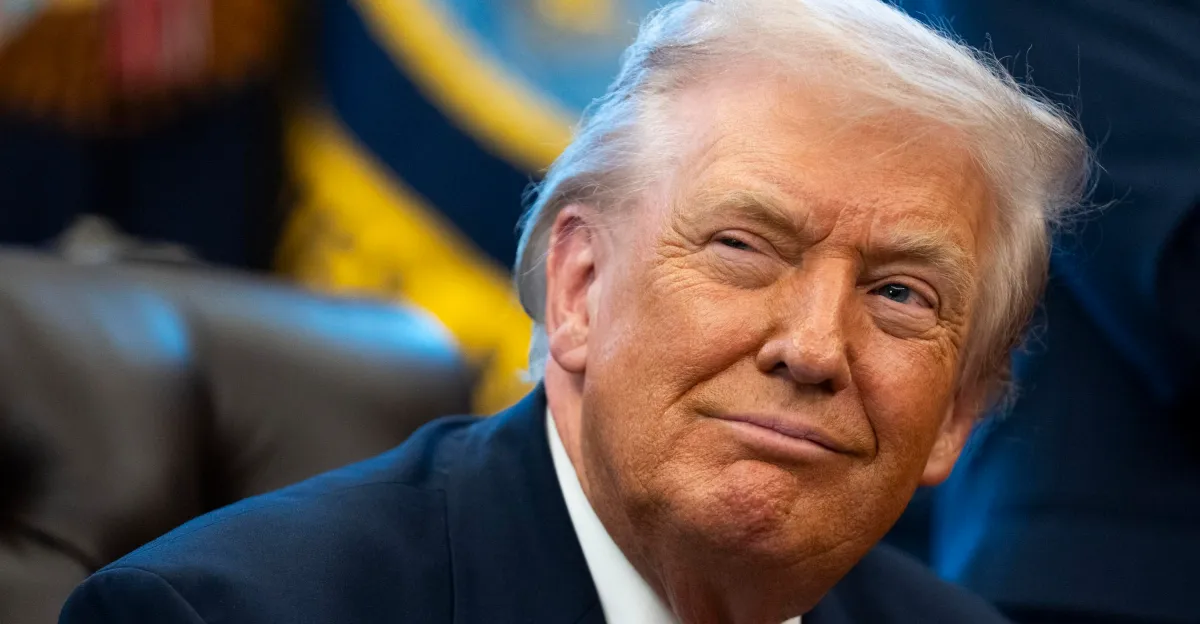
President Donald Trump has ordered federal agencies to stop using the term “artificial intelligence” in official communications and instead refer to the technology as “Super Intelligence.” The move, announced alongside a White House event with tech executives and government officials, rebrands the government’s language around AI at a moment when policy debates over safety, regulation and data-center expansion are intensifying.
The executive order does not force agencies to rewrite prior laws or historical records, but it does direct the executive branch to adopt the new terminology in policy websites, documents and press releases. The shift could reshape how the federal government frames one of the most consequential technologies in the world, even if the legal substance behind existing rules remains unchanged.
What did Trump order, and why does it matter?
Trump’s order instructs the U.S. government to use “Super Intelligence” as the official term for the technology commonly called AI. That matters because the federal government’s vocabulary often shapes how policy is written, how agencies explain programs and how the public understands emerging technology.
The administration is not merely suggesting a marketing refresh. It is trying to replace a broad statutory and policy term, “artificial intelligence,” with a label that Trump argues sounds more accurate and more positive. In practical terms, agencies will be expected to avoid using “AI” or “artificial intelligence” in relevant official settings going forward.
Trump has framed the change as part of a broader effort to calm public anxieties about rapidly advancing systems while still encouraging deployment. He has also suggested that the federal government should focus on stopping harmful uses rather than slowing innovation overall.
Trump argued that “super” is the best and simplest word to use, while dismissing “artificial” as misleading. He said the technology is powerful and brilliant, and that the government should channel it toward good outcomes while limiting misuse.
How far does the rebrand go?
The answer is: further in messaging than in law. Agencies will not be required to alter past regulations, previous guidance or archived documents. Existing legal language can remain in place even as current communications are rewritten around the new term.
That distinction is important. In Washington, terminology can be a symbolic signal, but a rename does not automatically change statutory definitions, regulatory frameworks or the underlying capabilities of the technology. Still, if the order is implemented consistently, it would create a noticeable shift in how the executive branch talks about advanced computing systems.
Officials, press offices and policy teams may now face a new rule of style as much as a rule of governance. Whether that change survives future administrations remains an open question, but for now the White House has chosen a label that is likely to draw attention well beyond Washington.
Why is the Trump administration changing the language now?
The White House is making the move amid growing political debate over the pace of machine learning development, public fears about safety and intense competition with China over advanced computing. Trump has said he wants to reduce alarm around the technology and present it as a force that can be managed rather than feared.
He first signaled the idea in remarks at the United Nations General Assembly last week, where he suggested the government should soften concerns about a technology evolving too quickly. The administration appears to see messaging as part of policy: if the public hears “Super Intelligence,” the implication is that the systems are advanced, potent and potentially beneficial, not merely artificial or synthetic.
The terminology also reflects Trump’s personal style. He has long used branding and simplification as political tools, and in this case he is recasting a technical field in a way that he believes sounds stronger, clearer and more optimistic.
What Trump said about the term
Trump’s public comments made the rationale plain: he prefers a word that sounds powerful, simple and positive. He also tied the language change to his broader skepticism toward what he sees as exaggerated alarm over the technology.
In his telling, the government should emphasize the technology’s usefulness and place more trust in enforcement tools that already exist. He pointed to the Justice Department and the FBI as examples of institutions that can help deter bad actors without creating a heavy-handed regulatory regime.
Who was in the room when the order was signed?
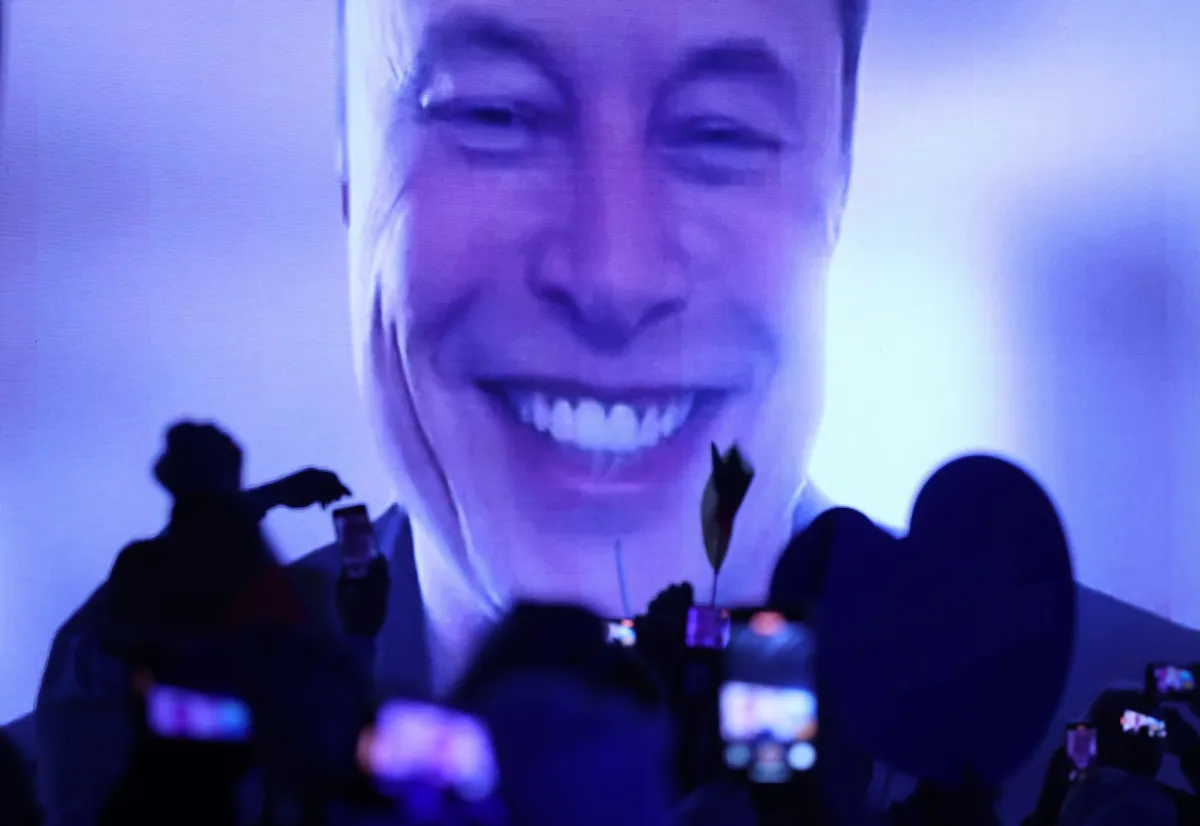
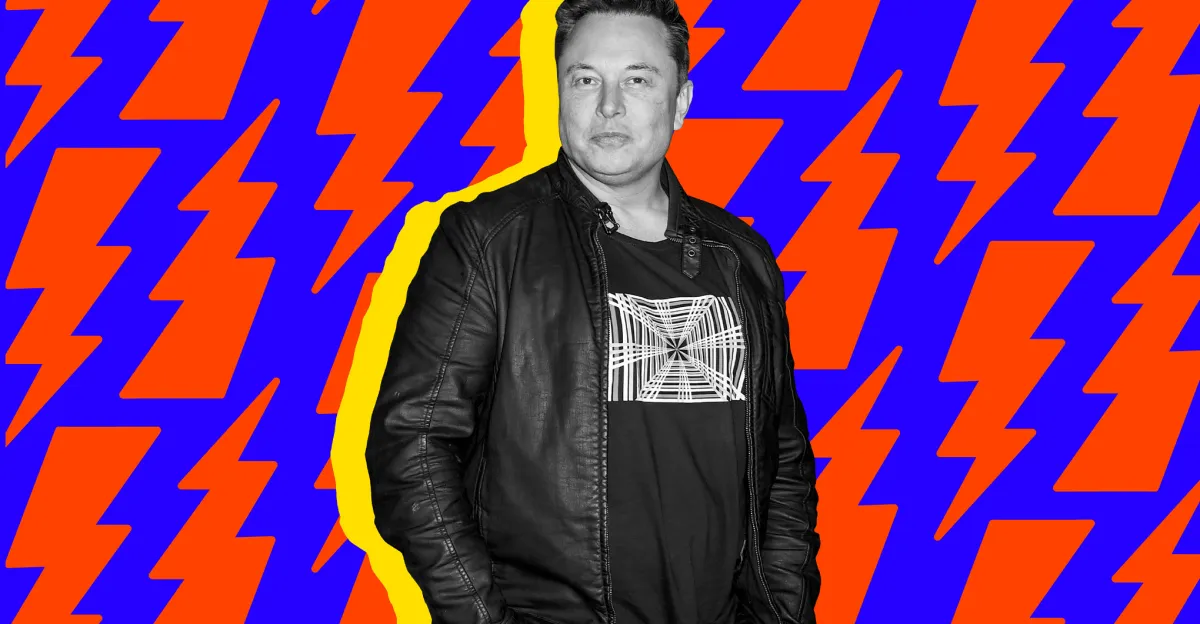
The executive order was signed after a White House luncheon with technology executives and government officials. Among those publicly visible were Nvidia chief executive Jensen Huang and Tesla and SpaceX chief executive Elon Musk, both of whom have helped shape debates over chips, compute capacity and the future of advanced systems.
Trump described the gathering as productive and cordial. The event also underscored how deeply the administration’s technology agenda overlaps with the interests of major firms that build the chips, models and infrastructure required for large-scale deployment.
That matters because the policy conversation is no longer just about algorithms. It is also about power supplies, land use, network capacity, chip inventories and the billions of dollars required to build and operate modern data centers.
| Item | What the order says | Why it matters |
|---|---|---|
| New term | “Super Intelligence” becomes the preferred official phrase | Changes how federal agencies frame the technology |
| Old term | “Artificial intelligence” and “AI” are to be avoided in relevant settings | Signals a symbolic break with existing terminology |
| Legal status | Past regulations and documents do not need to be revised | Limits the immediate legal impact |
| Policy focus | Encourage positive use while stopping harmful use | Frames regulation as targeted rather than expansive |
| Industry context | Data centers and compute infrastructure remain central | Connects the rebrand to the physical buildout behind modern systems |
How does this fit into the wider AI policy fight?
The answer is that it sits at the intersection of politics, industrial strategy and public trust. Governments around the world are struggling to decide how to regulate fast-moving systems that can generate text, images, audio and software, while also powering business tools, search products and scientific research.
In the United States, the policy debate has largely centered on safety standards, accountability, model evaluation, copyright, labor disruption and national security. Trump’s renaming effort does not resolve any of those issues, but it does signal a preference for lighter-touch rhetoric and a more industrial, pro-growth framing.
For technology companies, the announcement may be less important for its legal effect than for what it reveals about the administration’s priorities. The message is that the White House wants rapid buildout, more infrastructure and less emphasis on cautionary language.
Why the term “Super Intelligence” is unusual
“Super Intelligence” is not a standard policy term. In research and industry circles, “superintelligence” often refers to a hypothetical system that would exceed human capabilities across a wide range of tasks. That is a narrower and more speculative concept than the everyday use of “AI,” which covers everything from recommendation engines to large language models.
By trying to repurpose that word as a catchall for the entire field, the administration is taking a term that usually points toward the far future and using it as a label for present-day technology. That choice could create confusion, especially for agencies that rely on precise definitions in rulemaking and compliance work.
It may also invite criticism from researchers and policy analysts who prefer technical accuracy over political branding. For them, the term “artificial intelligence” is imperfect but widely understood, while “Super Intelligence” may feel more like a slogan than a descriptor.
What does this mean for data centers and local communities?
According to Trump, the companies behind advanced systems will need to work with communities when they build massive data centers, especially in places where infrastructure strain or local opposition can slow projects. He said firms should help satisfy community concerns by supplying resources and economic support where needed.
That comment is notable because the physical footprint of AI development has become one of the biggest policy challenges. Training and running advanced models requires huge amounts of electricity, cooling, land and network access. Those demands have triggered debates over grid capacity, water use, tax incentives and zoning.
Trump suggested that data centers will ultimately become popular, a sign that he sees them as drivers of investment rather than local burdens. But in many places, the buildout has already sparked controversy over costs and benefits, especially where residents worry that they will absorb the downsides while companies capture the gains.
Background: from artificial intelligence to superintelligence
The federal government’s terminology has always mattered, but this change goes further than the usual bureaucratic preference for concise language. “Artificial intelligence” has been the standard umbrella term for decades, covering systems that can analyze data, recognize patterns, generate content and support decision-making.
“Superintelligence,” by contrast, has historically belonged to a more speculative conversation about systems that could outstrip human intelligence broadly. Some researchers use it to describe a theoretical future stage; others use it cautiously or avoid it altogether. Trump’s administration is now using the word as an official substitute for a much wider category.
That makes the order unusual not only politically, but conceptually. It blends science fiction-adjacent language with federal policy and may blur distinctions that engineers, academics and regulators consider important.
Timeline of the announcement
Here is a simplified timeline of how the rebrand unfolded over the past week:
- Last week: Trump raised the idea in remarks at the United Nations General Assembly.
- Tuesday morning: He announced the launch of America.gov at a White House event and repeated his preference for the term “Super Intelligence.”
- Tuesday afternoon: He hosted a luncheon with technology leaders and government officials.
- Later Tuesday: He signed the executive order directing the executive branch to use the new terminology.
Could the change have real policy consequences?
Yes, even if the legal effect is limited, because language shapes what agencies emphasize, fund and measure. Once a term becomes official, it can alter internal templates, guidance memos, web copy and public communications. Over time, that can influence how staff think about the technology and how the public interprets government priorities.
It also matters for interagency coordination. If one part of the government starts using “Super Intelligence” while others continue to use “AI,” the result could be confusion in procurement, oversight and public-facing documents. The order is therefore likely to require administrative cleanup, even if it does not rewrite existing law.
More broadly, the move illustrates how much of today’s tech policy debate is about framing. Is the technology a risk to be constrained, a tool to be guided, or a strategic asset to be accelerated? The new label suggests the administration wants to answer all three at once, but on its own terms.
What happens next?
The immediate next step will be implementation inside the executive branch. Agencies may update websites, internal guidance and messaging to align with the order, while lawyers and policy staff decide where existing statutory terminology still has to remain for accuracy or compliance reasons.
Outside government, the response is likely to split along familiar lines. Supporters may see the move as a bold rejection of technocratic jargon and fear-based messaging. Critics may view it as performative branding that risks muddying a term already central to research, regulation and public debate.
Either way, the order is likely to draw outsized attention because it turns a policy category into a political slogan. In a field already defined by rapid progress, enormous capital spending and intense regulatory uncertainty, even a rename can become a major story.
The bottom line is simple: Trump has ordered the U.S. government to stop saying “artificial intelligence” and start saying “Super Intelligence,” and that decision matters because it changes how the federal government talks about one of the most powerful technologies of the era.
Frequently asked questions
What did Trump order the U.S. government to call AI?
He ordered federal agencies to refer to the technology as “Super Intelligence” in relevant official communications. The change covers policy websites, documents and press releases, though it does not force the government to rewrite prior regulations or historical records.
Does the executive order change existing AI laws?
No, it does not change existing laws or require agencies to revise older regulations. The order is mainly a terminology shift for current and future communications, so the legal framework behind federal AI policy remains in place unless Congress or agencies act separately.
Why is Trump replacing the term AI?
Trump says he wants a word that sounds simpler, stronger and less alarming. He has argued that “artificial” is misleading and that the government should focus on encouraging beneficial uses of the technology while stopping harmful ones.
Who was present when the order was signed?
The order was signed after a White House lunch with tech leaders and government officials. Nvidia CEO Jensen Huang and Tesla and SpaceX CEO Elon Musk were among the prominent figures publicly visible at the event.
Could this affect data center policy?
Yes, indirectly. Trump linked the technology push to data-center growth and said companies should work with communities by providing support and resources. The order itself is about language, but it comes alongside a broader pro-buildout message.