Updated August 6, 2026 4:54 pm
In short
Suno is adding watermarking, fingerprinting, stricter downloads and new anti-impersonation rules as it seeks to curb misuse of AI-made songs amid growing legal pressure, including a Musixmatch copyright-detection deal.
- Suno will add audio watermarking and fingerprinting to identify AI-made songs.
- The company is tightening download rules and banning deceptive voice imitation.
- A Musixmatch copyright-detection system will support the new controls.
- The changes come amid lawsuits from major labels and a German copyright ruling.
- Security and training-data allegations continue to shadow the startup.
Update — August 6, 2026 4:54 pm
Suno also disclosed a new agreement with lyrics and metadata provider Musixmatch to use its Sentinel system for copyright detection.
The company separately reiterated that its downloads rule is aimed at stopping mass reposting of AI-made tracks on streaming services, but it still has not detailed how that restriction will work.
Shulman said the goal is to keep the tools tamper-resistant without changing how songs sound, while leaving disclosure choices to artists and platforms.
Suno is rolling out audio watermarking, stronger download controls and stricter community rules as the AI music startup tries to show regulators, labels and artists that it can curb abuse on its platform. The changes arrive while the company faces lawsuits from major record groups, a German copyright ruling and fresh scrutiny over how its models were trained.
The company said on Thursday that the new tools are meant to make AI-generated tracks easier to identify and harder to pass off as someone else’s work, a move that could reshape how Suno’s songs circulate beyond its own service and onto other streaming platforms.
Why Suno is changing its platform now
Suno’s announcement is best understood as a response to mounting legal and reputational risk. The startup has become one of the best-known names in consumer AI music creation, but its rise has also made it a prime target for copyright owners who argue that generative tools should not be allowed to absorb or imitate protected music without permission.
In recent months, Suno has been pulled into litigation with Universal Music Group and Sony Music Group in a case coordinated by the Recording Industry Association of America. At the same time, a German court sided with licensing body GEMA and found that Suno had violated copyright rules. Those disputes have put the company in a difficult position: it wants to present itself as an innovation platform, but it must also convince rights holders that it can police misuse.
Now the startup is trying to answer one of the biggest complaints from the music industry: that users can generate songs, re-upload them elsewhere and potentially game streaming systems to earn money from work that was never legitimately disclosed as AI-made. Suno says the new measures are intended to reduce that abuse.
What exactly is Suno adding?
Suno said it will introduce audio watermarking and fingerprinting to help identify songs made on its service and discourage deceptive redistribution on third-party streaming platforms. The company also plans to update its download policy and strengthen community guidelines so that users cannot more easily circulate copies of tracks in ways that could obscure their origin.
Audio watermarking is designed to embed machine-detectable markers into content, while fingerprinting helps platforms recognize the same track even when it has been altered or re-encoded. In practical terms, that gives Suno and potential distribution partners more ways to spot whether a song came from the platform, and whether it is being presented honestly.
The company did not specify whether it is using an existing watermarking standard, such as Google’s SynthID, or building a separate system. It also did not say when the new protection tools will go live, and it declined to provide full details of the download restrictions.
How the new controls are supposed to work
The first sentence underneath Suno’s explanation is the key point: the company wants its markers to survive tampering without altering how songs sound to listeners. In other words, the watermark should be invisible or inaudible to the audience, but still recognizable by software that checks the track’s provenance.
Suno also said these tools are not meant to judge artistic merit or determine whether a track sounds human enough. Instead, the company argues, the goal is transparency. That distinction matters because the biggest fight in AI music is not just about technology—it is about disclosure, attribution and consent.
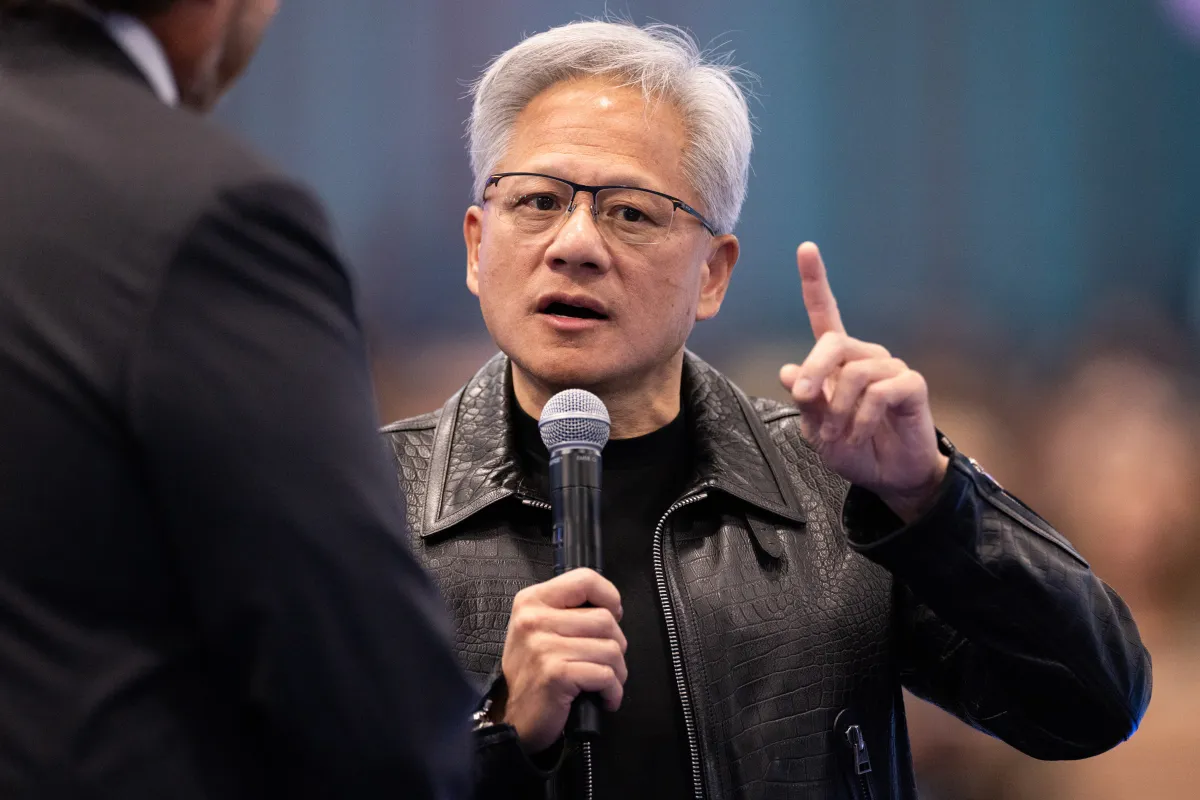
According to CEO Mikey Shulman, the company’s goal is to build durable, hard-to-tamper-with tools that do not change the listening experience and that let artists and platforms choose how much to disclose. He framed Suno’s role as supplying transparency features rather than deciding what counts as real music.
Why the Musixmatch deal matters
Suno is also pairing its new controls with a new agreement involving Musixmatch, the lyrics and metadata provider known for powering song text and annotation across digital music services. Under the deal, Suno will use Musixmatch’s Sentinal system for copyright detection, according to the company’s blog post.
That partnership is significant because it suggests Suno is leaning on established industry infrastructure rather than relying only on its own internal moderation. Copyright detection in music often depends on a combination of metadata, reference databases and content-matching systems. A third-party solution can give a platform more credibility when it is trying to convince rights holders that it is serious about compliance.
For Suno, the collaboration may also serve a strategic purpose. The company is not just fighting in court; it is also fighting for future market access. If labels, publishers and distribution platforms believe Suno’s content can be identified and labeled more reliably, they may be more willing to engage with it commercially.
How Suno is trying to stop copycats
Suno’s updated community guidelines now explicitly ban two practices the company sees as especially harmful: deceptive audio that is presented as if it were real, and the use of a real person’s voice or likeness without permission.
That policy shift is aimed at a fast-growing part of the AI music problem. As voice-cloning tools become easier to use, users can generate songs that mimic celebrities, local artists or even ordinary individuals. Those tracks can spread quickly on social media and streaming services, where listeners may not immediately realize the audio is synthetic.
By writing those prohibitions into its rules, Suno is signaling that it intends to treat impersonation as a platform safety issue, not merely an artistic edge case. It also aligns Suno with broader industry pressure to label and contain synthetic media that could confuse audiences or harm reputations.
What’s new in the download policy?
Suno says it will introduce a more restrictive download policy intended to block mass distribution on streaming platforms, but it has not disclosed the precise mechanics. That leaves open several possibilities, including rate limits, metadata tagging, export restrictions or direct controls tied to account activity.
Whatever form the policy takes, the intent is clear: Suno wants to make it harder for users to treat generated tracks like anonymous, easily re-uploaded content. If the company can reduce bulk exports and repeated reposting, it may lower the odds of AI-made songs being used to spam services or inflate royalties.
| Issue | Suno’s response | Why it matters |
|---|---|---|
| Re-uploaded AI songs on streaming platforms | Audio watermarking and fingerprinting | Makes AI-generated tracks easier to identify and flag |
| Copycat or deceptive content | New community guideline bans | Targets impersonation and misleading audio claims |
| Copyright detection | Musixmatch Sentinal system | Uses established tooling to detect protected material |
| Mass redistribution | Updated download policy | Aims to prevent abuse at scale |
How serious are Suno’s legal problems?
They are substantial, and they now extend across multiple jurisdictions and issues. Suno is not facing just one copyright complaint; it is confronting a broad challenge to how it builds, distributes and secures its product.
The most visible case in the United States involves the major labels and industry groups that argue Suno’s model and business practices rely on protected music without authorization. In Germany, the court ruling in favor of GEMA added another legal setback, suggesting that Suno may face a tougher compliance environment in Europe as well.
Beyond copyright, the company is also dealing with questions about data security and training sources. Reporting earlier this year alleged that a breach in late 2025 exposed claims that Suno scraped content from YouTube, Deezer and Genius for model training. The notification service Have I Been Pwned later said the incident affected 55 million users, and the company now faces a class-action complaint in Massachusetts that says it prioritized growth over security.
What the breach allegations add to the story
The breach claims are important because they widen the narrative around Suno from copyright alone to trust and governance. Even if the company is trying to tighten rules now, it still has to contend with the argument that it was too loose in the past about data sourcing and security.
For users, those concerns can be just as damaging as courtroom losses. In AI music, credibility is everything: creators want to know their voices and works will not be copied; platforms want to know they are not hosting deceptive content; and listeners want reassurance that what they hear is labeled honestly.
What the market context tells us about Suno
Suno remains well-funded and highly visible despite the controversy. The company raised $400 million in a Series D round in June, underscoring investor confidence in the broader AI music category even as the business model faces legal and policy headwinds.
That funding gives Suno room to build the safeguards it is announcing now, but it also raises the stakes. A company with that level of backing is expected not only to innovate but also to manage risk responsibly. In a sector where one viral song can trigger huge attention, the ability to prevent fraud, impersonation and copyright conflicts is becoming a product feature, not just a compliance exercise.
At the same time, Suno is operating in a wider industry environment where generative AI companies are being pressed to show their provenance tools, safety systems and partnership strategies. Watermarking has become one of the leading answers to that pressure because it promises a technical way to preserve transparency without requiring listeners to hear any difference.
How does watermarking fit into the wider AI industry?
Watermarking is quickly becoming one of the most visible trust mechanisms in generative AI. The basic idea is simple: embed a signal in AI-generated content that can later be detected, even if the content is copied, compressed or lightly modified.
For text, image and video tools, watermarking has already been widely discussed as a possible standard for provenance. In music, the challenge is more complicated because tracks can be remixed, mastered differently, stripped of metadata or re-uploaded in altered forms. That means detection systems need to be resilient enough to survive the ways digital audio is commonly manipulated.
Suno’s move indicates that AI music platforms may be entering a more formal phase of accountability, where product design, legal risk and distribution controls are merged into a single policy stack. If successful, the company’s new system could become a template for other music-generation startups facing similar criticism.
Why transparency is becoming a competitive feature
Transparency is becoming a competitive feature because platforms that can prove provenance may be easier to distribute, monetize and defend in court. Labels and publishers are more likely to tolerate or partner with tools that make source attribution clearer.
For Suno, that could be the difference between being seen as a disruptive outsider and being treated as a workable industry participant. But transparency alone will not resolve the larger dispute over training data, licensing and artist compensation.
Timeline: the pressure on Suno
The company’s new safeguards make more sense when viewed against the sequence of events that have shaped its year. The following timeline highlights the key milestones.
| Date | Event | Why it mattered |
|---|---|---|
| November 2025 | Reported data breach and training-source allegations | Raised concerns about security and data practices |
| Late July 2026 | German court rules against Suno in a copyright case | Increased legal pressure in Europe |
| June 2026 | Suno raises $400 million in Series D funding | Showed investor backing despite controversy |
| August 6, 2026 | Suno announces watermarking, fingerprinting and policy updates | Marks a shift toward stronger content controls |
What happens next?
The next test for Suno is not simply whether it can launch these tools, but whether the music industry believes they work. Any watermarking or fingerprinting system is only as effective as the platforms and partners that recognize it, and Suno has not yet shown how broadly its approach will be adopted.
There are also unresolved questions about how restrictive the new download policy will be, how aggressively Suno will enforce its community guidelines and whether the company will disclose enough about its technical methods to satisfy critics. If the startup is serious about changing the narrative, it may need to provide more concrete implementation details than it has so far.
For now, Suno’s message is that it wants to keep enabling creative experimentation while adding barriers to abuse. The challenge is that every new guardrail also becomes a signal of how much the company has had to respond to the legal and ethical backlash surrounding AI-generated music.
What began as a product story about making songs with AI has become a much bigger test of trust, provenance and accountability. Suno’s new watermarking push is meant to show it is adapting. Whether that is enough to satisfy courts, labels and users is another question entirely.
Key facts at a glance
- Suno announced audio watermarking, fingerprinting and tighter download controls.
- The company is also updating community guidelines to ban deceptive audio and unauthorized voice imitation.
- Suno will use Musixmatch’s Sentinal system for copyright detection.
- The startup is facing lawsuits from Universal Music Group, Sony Music Group and others.
- A German court recently ruled against Suno in a copyright dispute with GEMA.
- Security and training-data concerns remain part of the broader controversy around the company.
Bottom line
Suno’s new anti-abuse tools are an effort to get ahead of legal and industry pressure by making AI-generated songs easier to identify and harder to misuse. The move may improve the company’s position with partners and regulators, but it does not erase the deeper fight over copyright, consent and how generative music products should be built in the first place.
Frequently asked questions
Why is Suno adding watermarking to its songs?
Suno is adding watermarking to make AI-generated tracks easier to identify and harder to misuse on streaming platforms. The company says the goal is transparency and abuse prevention, especially where users might re-upload songs and disguise their origin to game revenue systems.
What new rules is Suno putting in place?
Suno is updating its community guidelines to ban deceptive audio presented as real and unauthorized use of another person’s voice or likeness. It also plans tighter download controls to reduce mass distribution of tracks that could be reposted or passed off dishonestly.
Is Suno using Google’s SynthID?
Suno has not said whether it is using Google’s SynthID or a different system. The company confirmed it will use watermarking and fingerprinting, but it has not publicly disclosed the exact technical approach or when the tools will be fully deployed.
What lawsuits is Suno facing?
Suno is facing legal action from Universal Music Group, Sony Music Group and industry groups in a case coordinated by the RIAA. It also suffered a setback in Germany when a court ruled in favor of rights body GEMA in a copyright dispute.
How does the Musixmatch deal help Suno?
The Musixmatch partnership gives Suno access to a copyright-detection system called Sentinal. That could help the company identify protected material more reliably and show labels and publishers that it is working with established music-industry tools.