In short
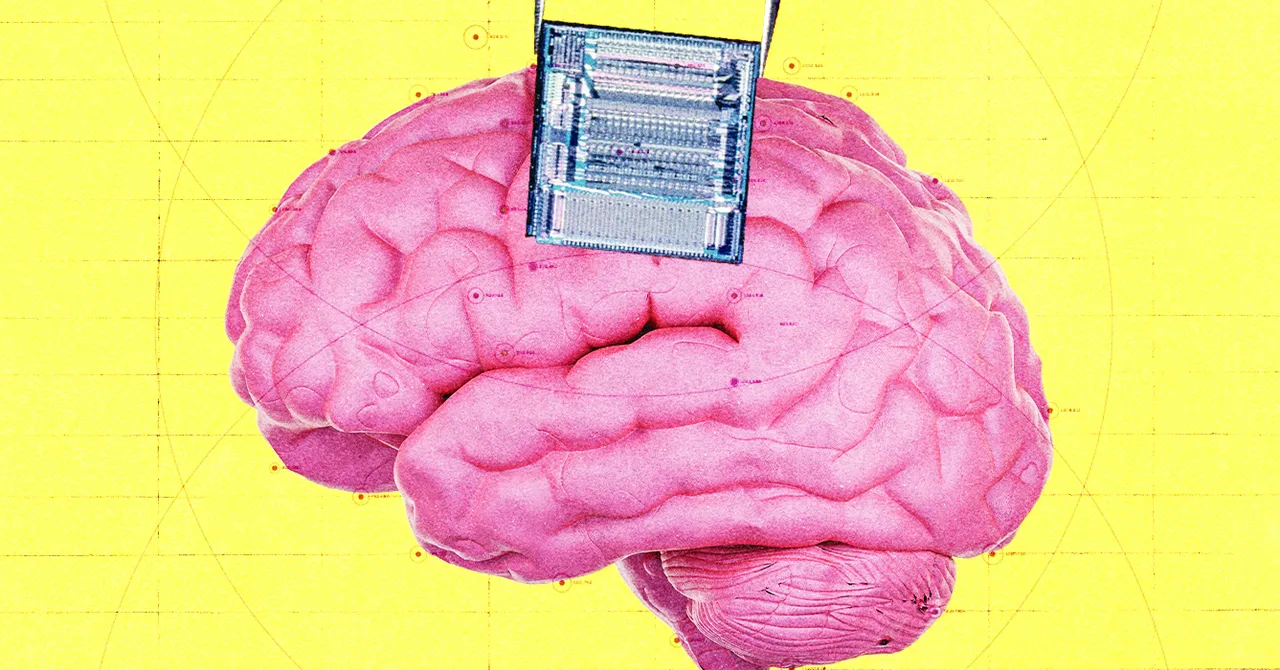
OpenAI’s venture arm is investing in Coherence Neuro, a startup building a brain implant to detect and potentially treat cancer. The deal highlights the growing convergence of AI, neural data, and medical-device development.
- OpenAI’s venture fund joined Founders Fund in Coherence Neuro’s $45 million seed round.
- Coherence is developing a brain implant to detect cancer signals and deliver mild stimulation to slow tumor growth.
- The company has already tested the implant briefly in human surgery patients and is preparing more trials.
- OpenAI says it will not receive Coherence’s brain or health data under the deal.
- The investment reflects rising interest among AI firms in brain-computer interfaces and neural data.
OpenAI’s venture fund and Peter Thiel’s Founders Fund are part of a $45 million seed round for Coherence Neuro, a startup building a brain implant designed to detect and eventually help treat cancer. The investment underscores how quickly major AI backers are moving into brain-computer interfaces, a field increasingly seen as a source of valuable new data for machine learning and medicine.
Coherence says its device is aimed first at identifying neural signatures linked to brain tumors, then at using mild stimulation to slow or alter tumor growth. The company has already run early feasibility tests in human patients and is preparing for a longer-term clinical trial in glioblastoma, one of the most aggressive forms of brain cancer.
Why OpenAI is backing a brain implant startup
The short answer is that brain-computer interfaces create data AI companies want, and Coherence is trying to turn that data into a medical product. OpenAI’s investment in the San Francisco startup reflects a broader belief in Silicon Valley that neural signals may become a powerful new input for advanced models, especially as AI systems get better at interpreting patterns humans cannot easily parse.
Coherence chief executive and cofounder Ben Woodington says there is a clear overlap between AI labs and companies working on devices that read brain activity. In his view, the value is not only in the medical application, but also in the large, complex datasets such systems generate.
Woodington argues that capturing neural data to build stronger models and improve treatment decisions will become increasingly important, and that AI firms recognize the appeal of that thesis.
He also says AI is especially well suited to brain-computer interfaces because these systems create huge volumes of raw signal data that are too difficult for humans to analyze manually. Machine learning tools can help convert those signals into meaning, whether that means moving a cursor, generating speech, or spotting disease-related changes.
What Coherence Neuro is building
Coherence is developing an implant that aims to do more than monitor the brain. The company says the device is designed to detect electrical patterns associated with tumors and then apply stimulation that could, over time, help suppress cancer growth.
That approach is different from the best-known brain implant efforts in the market, many of which focus on restoring communication or movement for people with paralysis. Coherence’s core mission is oncology, with an emphasis on detecting whether tumors are growing, shrinking, or coming back.
How the system is supposed to work
The company says it has already identified cancer-related signals in animal studies. In the future, those signals would ideally be recognized in patients in real time, allowing the implant to both observe and intervene.
- Detection: The implant records electrical activity linked to brain tumors.
- Interpretation: AI systems help classify changes in the signals over time.
- Treatment: The implant delivers mild electrical stimulation intended to slow tumor progression.
- Iteration: More data improves the model’s ability to recognize cancer-related changes.
That feedback loop is central to the company’s pitch. Rather than building a static device, Coherence wants a system that becomes smarter as it gathers more information from each patient and each study.
How far along is the technology?
Coherence is still in the early stages of clinical development, but it has already taken a step beyond the purely preclinical phase. This summer, the company briefly placed its implant in the brains of three patients already scheduled for brain tumor surgery at Royal Melbourne Hospital in Australia. The device stayed in place for around 30 minutes before surgeons removed it, giving the team a basic safety readout.
The company is now testing both recording and stimulation functions in seven additional patients. Those trials are intended to help determine whether the implant can safely capture signals and whether those signals can support a longer-term therapeutic strategy.
| Milestone | What happened | Why it matters |
|---|---|---|
| Early animal studies | Coherence says it identified tumor-related electrical signals in animals. | Provides the first evidence that the concept may be technically feasible. |
| Human feasibility test | Three surgical patients in Australia received the implant for about 30 minutes. | Served as an initial safety check in people. |
| Expanded patient testing | Seven more patients are being used to test recording and stimulation. | Moves the program closer to clinical validation. |
| Planned glioblastoma trial | Funding is expected to support a long-term implant study. | Could establish whether the system has real therapeutic value. |
Why glioblastoma is the first target
Glioblastoma is a logical first target because it is among the most difficult brain cancers to treat and one of the most urgent areas in neuro-oncology. A therapy that can monitor tumor behavior continuously and respond instantly could be especially valuable in a disease that can change quickly and recur after treatment.
Coherence says the new money will help fund a long-term implantation trial in patients with glioblastoma. The company also wants to extend the platform beyond the brain and eventually adapt the technology to cancers elsewhere in the body.
Why this matters medically
For cancer specialists, the promise is not simply a new device but a new kind of feedback-rich treatment. If the implant can reliably tell when a tumor is active and adjust stimulation accordingly, it could open a route to personalized intervention that changes with the disease instead of relying on occasional scans or biopsies.
That is still a large scientific leap. The challenge is proving that the signals are specific enough, that stimulation is safe enough, and that the whole system can be trusted in a clinical setting. Coherence’s next steps are designed to answer those questions gradually rather than all at once.
Who else is investing in brain-computer interfaces?
OpenAI is not alone. Founders Fund, led by Peter Thiel, has a long history of backing ambitious brain-interface companies, including Elon Musk’s Neuralink and CTRL-labs, the wristband startup later acquired by Facebook. The renewed interest in the sector shows how venture capital has moved from viewing BCIs as a niche neuroscience bet to treating them as a strategic frontier for both health and AI infrastructure.
OpenAI itself has already signaled interest in the category in a different way. In January, the company announced a direct investment in Merge Labs, a brain-computer interface startup cofounded by chief executive Sam Altman.
How Coherence differs from Merge Labs
Coherence and Merge Labs are both part of the growing BCI wave, but they are pursuing different technical paths and different product ideas. Merge Labs has focused on ultrasound-based methods to read information from the brain and has been framed as a way to create a more natural interface between humans and AI.
OpenAI described its support for Merge Labs as part of a broader vision: brain-computer interfaces could eventually become a human-centered way to interact with AI systems. Coherence, by contrast, is not pitching a consumer interface. It is building a medical implant with cancer detection and treatment at the center.
| Company | Primary focus | Notable backers | Stated goal |
|---|---|---|---|
| Coherence Neuro | Cancer-detecting brain implant | OpenAI Startup Fund, Founders Fund | Detect and treat tumors with neural data and stimulation |
| Merge Labs | Brain-computer interface using ultrasound | OpenAI | Create a natural way to connect humans with AI |
| Neuralink | Implants for brain signal decoding | Founders Fund and others | Restore and expand communication between brain and machine |
What OpenAI says, and what it does not get
OpenAI’s investment does not mean the company will access patient brain data. Woodington says the agreement does not allow OpenAI to receive the neural or health data generated by Coherence’s work, a point that is likely important given rising sensitivity around medical privacy and the use of highly personal biological information in AI systems.
According to Woodington, the contracts do not give OpenAI access to brain data or other health information generated by the startup.
That arrangement appears to differ from the relationship OpenAI described with Merge Labs, where the company said it would collaborate on scientific foundation models and frontier tools to accelerate progress.
The distinction matters because the value proposition of brain-computer interfaces depends on data, but medical data also comes with significant privacy, regulatory, and ethical constraints. A company can invest in the sector without becoming a direct custodian of the information, and in this case OpenAI seems to be doing exactly that.
Why brain data is becoming a strategic asset
Brain-computer interfaces sit at the intersection of neuroscience, hardware, and AI. They are expensive to build, medically difficult to validate, and often years away from commercial scale. But they produce an unusual kind of information: dense, continuous streams of signals that can reveal intent, disease progression, and possible intervention points.
That is why major AI players see the field as more than a medical curiosity. Neural data may help train better models, and AI may in turn make those devices more useful. The relationship is reciprocal. Better models can interpret noisier signal streams, and more signal streams can create better models.
What is driving investor interest?
Several trends are converging:
- AI systems are improving at pattern recognition in complex data.
- BCI companies are generating more neural datasets than traditional researchers can handle manually.
- Health technology investors are increasingly attracted to platforms that could scale beyond a single indication.
- Silicon Valley remains fascinated by the idea of merging biological intelligence with machine intelligence.
For investors, that combination can make a company like Coherence look unusually broad: it is at once a neuroscience play, a medical device startup, an AI data company, and a potential cancer therapy platform.
What happens next for Coherence?
The next major milestone is a longer-term clinical trial in glioblastoma patients. If the company can demonstrate both safety and meaningful biological effect, it will have a stronger case that its implant can move beyond proof-of-concept and toward real therapeutic use.
It will also need to show that the system can function over time, not just briefly during surgery. Chronic implantation brings tougher questions: durability, signal quality, tissue response, device failure, and whether stimulation can actually alter disease course in a repeatable way.
Key questions the trial must answer
- Can the implant reliably detect tumor-related neural activity in humans?
- Is the device safe for long-term use in the brain?
- Can stimulation meaningfully slow tumor growth or recurrence?
- Will the AI models improve as more patient data is collected?
- Can the platform eventually be adapted for other cancers?
Those questions will determine whether Coherence becomes a medical breakthrough or remains one of many ambitious startups chasing the promise of machine-assisted brain decoding.
The bigger picture for AI and medicine
This investment is part of a larger shift in how artificial intelligence companies are thinking about healthcare. Instead of only building software on top of existing records, they are increasingly interested in generating first-party data from specialized hardware. That approach gives AI builders access to new kinds of signals and, potentially, new forms of competitive advantage.
Brain implants are among the most extreme examples of that strategy. They are invasive, complex, and heavily regulated. But they also offer a path to information that cannot be captured any other way. For companies and investors convinced that the future of AI depends on richer data, that makes the category especially compelling.
Coherence now enters that landscape with a notable advantage: backing from OpenAI and Founders Fund, early human testing, and a medical use case that could matter far beyond Silicon Valley’s fascination with neural interfaces. Whether the company can turn those ingredients into a functioning cancer treatment will depend on the next phase of clinical evidence.
Frequently asked questions
What is Coherence Neuro building?
Coherence Neuro is developing a brain implant designed to detect electrical signals linked to brain tumors and, eventually, to apply mild stimulation that may help suppress tumor growth. The company says it is initially targeting glioblastoma before expanding to other cancers.
Why is OpenAI investing in a brain implant company?
OpenAI is investing because brain-computer interfaces generate highly valuable data and may become important tools for both AI and medicine. The company’s venture arm believes Coherence’s approach could support a new kind of data-driven cancer therapy.
Does OpenAI get access to patient brain data from Coherence?
No, according to Coherence CEO Ben Woodington, OpenAI will not have access to the startup’s brain data or other health data. He said the deal does not include sharing those records with OpenAI.
Has Coherence tested its implant in humans?
Yes. Coherence briefly tested the recording ability of the implant in three patients already undergoing brain tumor surgery in Australia, keeping the device in place for about 30 minutes. The company is now testing the recording and stimulation functions in seven additional patients.
How is Coherence different from Neuralink or Merge Labs?
Coherence is focused on cancer detection and treatment, not restoring movement or creating a general human-AI interface. Neuralink and Merge Labs are broader brain-computer interface efforts, while Coherence is positioning its implant as a medical oncology platform.