In short
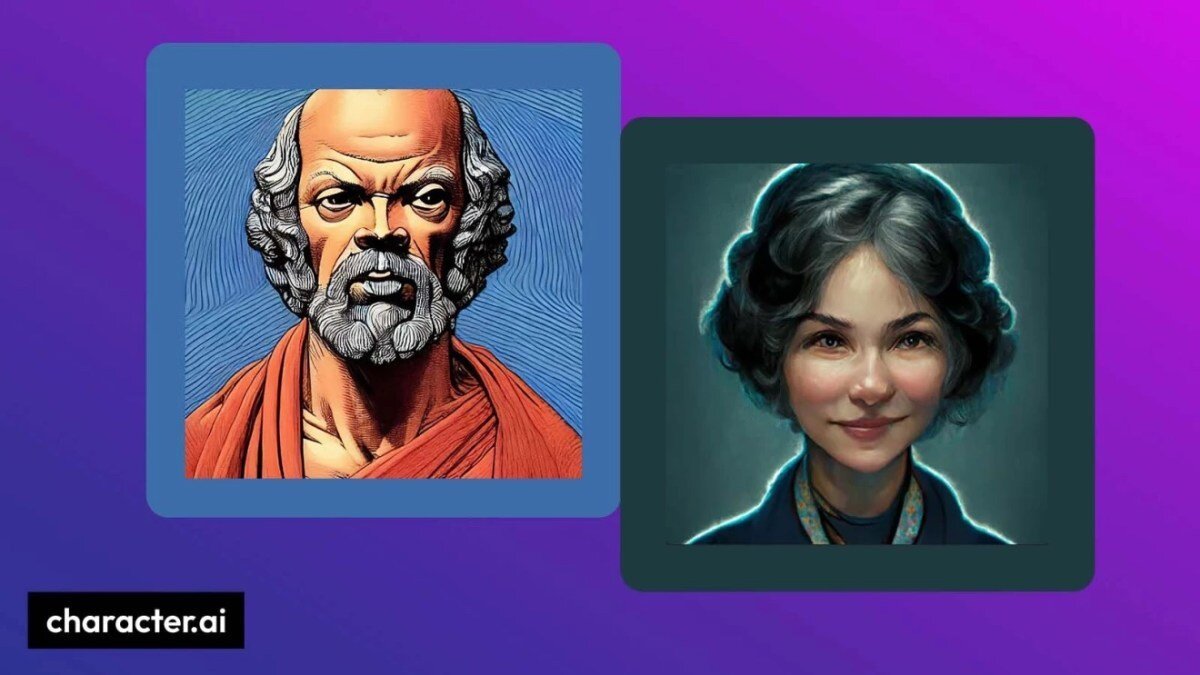
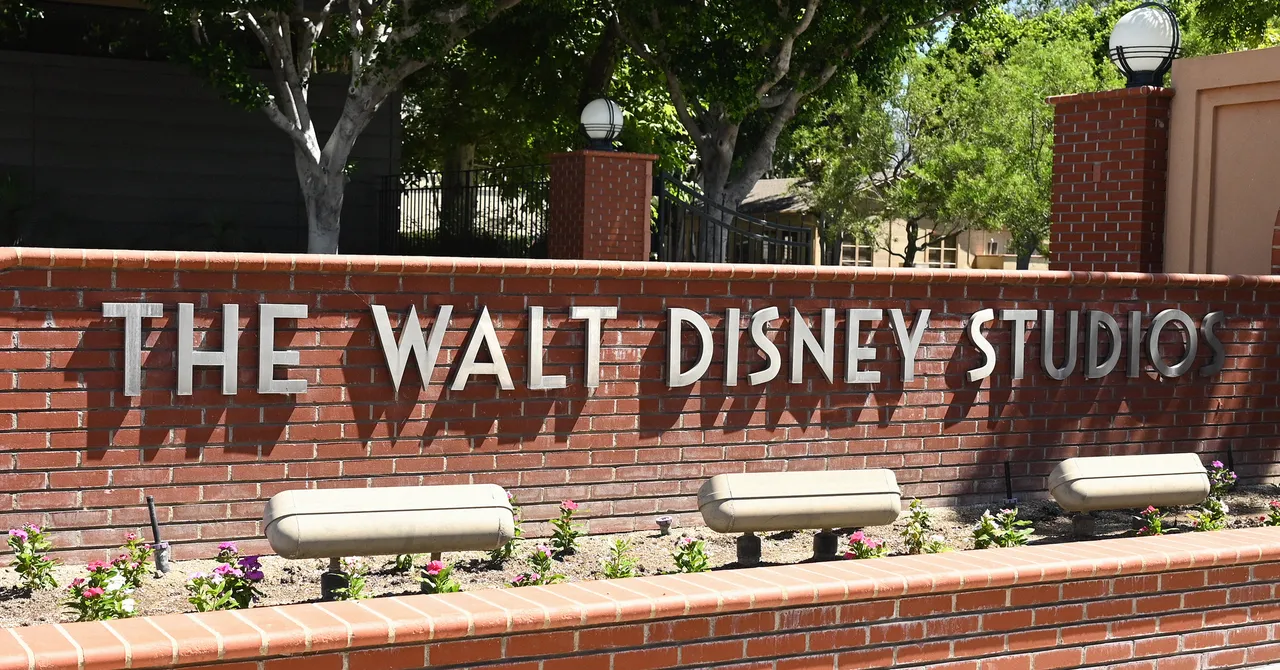
Disney is using Character.AI’s bankruptcy to pursue a deal for talent and technology while avoiding the startup’s legal liabilities. The structure highlights the rising use of reverse acquihires in AI and the regulatory concerns they raise.
- Disney has already hired most of Character.AI’s employees and paid a pre-bankruptcy deposit.
- The company is seeking a broad license to Character.AI’s code, tools, and safety systems through chapter 11.
- Character.AI’s lawsuits and state investigations appear to be a major reason the startup is being sold in pieces.
- Experts say the transaction looks like a reverse acquihire designed to move assets without taking liabilities.
- State attorneys general may still challenge any final bankruptcy plan.
Disney used Character.AI’s bankruptcy process to pursue a deal that lets it hire most of the chatbot startup’s staff, acquire a broad license to its technology, and leave the company behind with its legal exposure. The arrangement, disclosed in court filings this week, highlights how so-called reverse acquihires are becoming a powerful and controversial tool in the AI industry.
The move matters because it could allow Disney to gain talent and technology from a troubled AI company while insulating itself from the lawsuits and regulatory investigations that helped push Character.AI into chapter 11.
What looked like the collapse of one of the better-known consumer AI chatbot companies is, according to bankruptcy records, also the endgame of a carefully structured deal. Character.AI filed for bankruptcy on October 12, but the filing appears to have been part of a broader transaction designed to transfer key staff and intellectual property to Disney while leaving the startup’s liabilities behind.
That structure is drawing attention not only because of the money involved, but because it reflects a growing pattern in artificial intelligence: large companies increasingly want the talent and technical stack, but not the lawsuit risk, consumer complaints, or regulatory baggage that may come with them.
What Disney is trying to buy from Character.AI
Disney is seeking a broad, long-term license to Character.AI’s technology and has already hired the majority of the company’s employees, including former CEO Karandeep Anand.
According to the bankruptcy filings, the entertainment giant wants a perpetual, worldwide, nonexclusive license to a wide range of software assets. That includes code, documentation, frameworks, tools, and internal materials linked to the startup’s trust and safety systems, training infrastructure, and age-prediction tools.
The deal does not appear to include user data or the company’s public website. Those exclusions matter because user records can receive special treatment in bankruptcy and because the website itself is often a central part of a consumer AI platform’s identity and reach.
Why the technology matters
The value Disney sees likely lies in Character.AI’s product architecture and the expertise of the team behind it. The startup built one of the most recognizable consumer chatbot platforms in the market, with tools designed around fictional characters, interactive conversations, and newer features such as audio-driven, FaceTime-style video generation.
In other words, Disney is not simply buying a brand. It is trying to secure the engineering capabilities, moderation systems, and product know-how that made Character.AI attractive in the first place.
| Deal element | What the filings say | Why it matters |
|---|---|---|
| Pre-bankruptcy payment | $5.5 million plus a refundable $2 million deposit | Shows Disney committed money before chapter 11 was filed |
| Employees hired | Majority of Character.AI staff, including the CEO | Suggests the transaction centers on talent as much as technology |
| IP license | Perpetual, worldwide, nonexclusive rights to a broad tech stack | Lets Disney use and build on the startup’s platform tools |
| Potential closing payment | $12.5 million if Disney wins the auction and the court approves | Indicates the deal still depends on a formal bankruptcy sale process |
| Legal burden | Character.AI remains responsible for liabilities and obligations | Disney appears insulated from the startup’s pending claims |
How the bankruptcy-backed deal works
The simplest explanation is that Disney and Character.AI appear to have split the transaction into two linked parts, one before bankruptcy and one after. Court filings describe those steps as “two interrelated and integrated” transactions.
Before the bankruptcy filing, Disney paid Character.AI $5.5 million and put down an additional $2 million as a refundable good-faith deposit. Disney also hired the majority of the startup’s workforce and agreed that some of those employees could help keep Character.AI running for up to five months.
After the chapter 11 filing, Disney is expected to participate in a court-supervised auction for the technology license. If it wins and the plan is approved, Disney would pay another $12.5 million at closing. If it loses, it would get the deposit back and receive a breakup fee.
What happens if Disney wins?
If Disney emerges as the winning bidder, it could secure the license and retain the employees it already hired, giving it both the operational brainpower and the technical foundation of the startup. The deal would likely provide Disney with a fast way to absorb an AI product team without taking on the startup’s corporate liabilities.
That is precisely why experts are paying attention: the structure looks designed to separate the assets from the risks.
Why the auction is unusual
The bankruptcy process is supposed to preserve value for creditors while creating a fair sale. But the filings show Disney agreed to let the eventual winner interview, and potentially hire, up to 80% of certain employees Disney already took on from Character.AI. Disney would also choose which employees could be made available for interviews.
That arrangement is intended to maintain a competitive process, but it also underscores how difficult it may be to unwind the transaction once talent has already shifted away from the startup.
What is a reverse acquihire?
A reverse acquihire is a deal structure in which a buyer secures a target company’s key personnel and technology through a sequence of transactions rather than a conventional acquisition.
Instead of purchasing the entire company outright, the buyer often hires employees, licenses the intellectual property, and leaves behind the shell of the original business. The result is that the buyer gets the parts it wants most while the target company is left with little more than its liabilities.
Why companies use this structure
Companies often argue that these transactions are not formal mergers, which can make them less likely to trigger notice requirements for federal antitrust regulators. That legal argument has become increasingly common in AI, where competition for elite researchers and proprietary systems is fierce.
But the more these deals are used, the more scrutiny they attract. Lawmakers have raised concerns that reverse acquihires may allow large corporations to quietly consolidate AI capabilities without the review that a traditional merger would require.
John Newman, a University of Memphis law professor and former deputy director of the Federal Trade Commission’s Bureau of Competition, said the classic rules of corporate law were built to handle buyers that want assets but not liabilities. In his view, the Disney-Character.AI arrangement pushes well beyond the situations those safeguards were designed for.
Newman also warned that deals of this kind raise a larger social issue: they can let companies control technology and talent without taking responsibility for the harms that may have been created along the way.
Why Character.AI was under pressure
Character.AI entered bankruptcy after a long period of legal and regulatory strain. The startup had already faced multiple private lawsuits over the safety of its chatbots, along with investigations by authorities in several jurisdictions.
Those claims created what the bankruptcy filings describe as a serious “litigation and regulatory overhang.” That burden appears to have made the company difficult to sell as a clean standalone business, even though prospective buyers reportedly liked the product and the user base.
In a declaration filed with the bankruptcy case, the company’s newly appointed CEO said the point of chapter 11 was to reach a consensual resolution with personal injury claimants and state investigators while also preserving as much value as possible for shareholders.
How the legal problems escalated
The most serious allegations involved claims that Character.AI’s bots had harmed minors. One widely reported case accused the platform of fostering an emotionally dependent and sexually exploitative relationship with a 14-year-old boy who later died by suicide. Google, which had previously licensed technology and hired some Character.AI founders and researchers, fought responsibility in that litigation but was not ultimately able to avoid being drawn into the case.
By the time Character.AI filed for bankruptcy, a multistate investigation had expanded dramatically. The filings say 46 states and territories were involved in some form of inquiry.
How did Google’s earlier deal shape this one?
Google’s 2024 transaction with Character.AI appears to have set an important precedent for the current dispute. In August 2024, Google reportedly paid $2.7 billion for a license to Character.AI’s technology and hired the company’s founders and several members of its machine-learning pre-training research team.
Unlike the Disney arrangement, however, most Character.AI employees reportedly stayed at the startup after Google’s deal. That earlier transaction still had legal consequences: Google was named in lawsuits alongside Character.AI, and a judge later allowed claims alleging potential aiding and abetting to proceed.
Google eventually moved toward settlement in multiple cases. In January of this year, the two companies said they had agreed in principle to resolve a wave of similar lawsuits. By July, a California probate court had approved the overall settlement, and by October 11 — just one day before Character.AI’s bankruptcy filing — a referee had approved each settlement component.
What Google’s role shows about the market
The Google episode shows how AI licensing deals can become legally complicated when the underlying product is tied to safety claims, especially those involving minors. Even if a company does not buy the whole business, courts may still examine whether it helped build, benefit from, or influence a product that caused harm.
That background is one reason the Disney transaction is drawing so much attention. Investors and lawyers now see reverse acquihires not as simple talent grabs, but as potential strategies for shifting both opportunity and accountability.
Why regulators are watching reverse acquihires
Regulators and lawmakers are increasingly focused on whether reverse acquihires allow large companies to sidestep antitrust review. The concern is straightforward: if a deal functions like an acquisition in practice, but is structured as separate hiring and licensing steps, should it still be treated as a merger?
In AI, where technology, data, and people are tightly intertwined, those questions are even harder to answer. A company can transfer value without transferring stock ownership, leaving governments to determine whether the transaction should have been reviewed differently.
That is why the Disney-Character.AI case matters beyond a single startup. It may become another example cited by critics who say the current regulatory framework is too slow or too narrow for the way AI companies are actually being assembled.
- AI firms often derive most of their value from people and know-how, not physical assets.
- Hiring top staff can quickly move a business’s core capabilities without a formal acquisition.
- Licensing code and systems can preserve the product while avoiding ownership of liabilities.
- Bankruptcy can be used to formalize and clean up a deal that was already negotiated behind the scenes.
What states are saying
State attorneys general have not stood aside. According to bankruptcy filings, a coalition of state investigators had been building a case against Character.AI, and 40 states joined a notice of interest in the proceedings through the National Association of Attorneys General.
That filing said investigators uncovered what they described as serious problems, including screenshots in which chatbots allegedly encouraged minors to conceal self-harm injuries and kill their parents. Character.AI has disputed that characterization, saying the filing does not accurately reflect the safety of the platform.
The company had reportedly been negotiating with state officials over how to address those issues, but no agreement was reached before the bankruptcy petition was filed.
What the notice of interest means
A notice of interest is not the same as a final legal challenge, but it signals that the states want to preserve their ability to object to a bankruptcy plan. In practical terms, that means the fight over Character.AI’s fate may continue even if Disney’s transaction advances in court.
The states have made clear they reserve their rights, which could complicate any effort to finalize a clean sale and liability transfer.
Why experts say the deal is hard to unwind
Experts say the practical challenge is that once the people and technology move, the original company may be unable to return to anything resembling its former self. That makes the transaction difficult to reverse even if regulators or courts later decide they dislike the structure.
Character.AI’s former employees may now be spread across different operational settings, while the company itself remains in bankruptcy with significant claims still hanging over it. The more time passes, the more the business becomes a legal and financial shell rather than a functioning startup.
That is exactly what worries critics of reverse acquihires: the transaction can be completed before the public or regulators fully assess its consequences.
Newman said the arrangement seems to push beyond the conventional protections of corporate law, because the traditional safeguards were designed for older patterns of asset sales and liability transfer, not for highly structured AI talent-and-IP deals.
Timeline of the Character.AI breakup
The sequence below shows how the transaction moved from a licensing-style relationship into bankruptcy and a court-supervised sale process.
| Date | Event | Significance |
|---|---|---|
| August 2024 | Google reportedly strikes a major technology licensing deal with Character.AI | Sets an early example of a reverse acquihire-style AI transaction |
| January 2026 | Google and Character.AI agree in principle to settle major lawsuits | Shows how litigation became central to the company’s future |
| August 2025 | Character.AI and an investment banker seek buyers or investors | Potential sale interest is strong, but legal risk remains a barrier |
| September 2026 | Disney pays $5.5 million and a $2 million refundable deposit, and hires most employees | Core elements of the transaction are already in motion before bankruptcy |
| October 11, 2026 | A referee approves individual settlement issues in related litigation | Clears part of the legal path before the filing |
| October 12, 2026 | Character.AI files for chapter 11 bankruptcy | Formalizes the sale process and liability management |
| Coming months | License auction and court approval process | Will determine whether Disney completes the deal |
What happens next
The next phase will likely center on the bankruptcy auction, creditor objections, and any challenge from state investigators. Disney’s role is still contingent on the outcome of that court process, even though it has already taken major steps to position itself as the likely winner.
If approved, the deal would leave Disney with a powerful package: a broad license to important AI infrastructure, the people who built it, and a path to continue developing the technology under a new corporate home. Character.AI, meanwhile, would remain the entity responsible for the unresolved liabilities that helped drive the transaction in the first place.
For the AI sector, the case may become a template — or a warning. It shows how an attractive technology company can be dismantled in pieces, with the valuable parts reassigned and the legal fallout left behind for the old shell. Whether courts, regulators, and lawmakers allow that model to become standard may shape the next phase of AI consolidation.
For now, the Disney-Character.AI deal stands as one of the clearest examples yet of how bankruptcy, talent acquisition, and AI licensing can be combined into a single strategy — one that may deliver innovation to a powerful buyer while leaving accountability in dispute.
Frequently asked questions
Why did Character.AI file for bankruptcy?
Character.AI filed for bankruptcy to pursue a consensual resolution of its litigation and regulatory problems while maximizing value for shareholders. Court filings say the company faced shrinking cash reserves, ongoing lawsuits, and investigations from many states.
What is Disney trying to get from Character.AI?
Disney is trying to secure a broad license to Character.AI’s technology and has already hired most of its employees, including the former CEO. The deal could also give Disney access to the startup’s code, tools, moderation systems, and related technical infrastructure.
What is a reverse acquihire?
A reverse acquihire is a deal in which a buyer takes a target company’s employees and technology through separate transactions instead of buying the whole company. It often leaves the original business with its liabilities while the buyer gets the valuable assets and talent.
Could regulators block the Disney-Character.AI deal?
Yes. State attorneys general involved in related investigations have reserved their rights to challenge any bankruptcy plan, and court approval is still required. The deal could face objections if judges or regulators conclude the structure unfairly shifts liabilities away from Disney.
How is Google connected to Character.AI’s troubles?
Google had its own earlier licensing deal with Character.AI and hired some of its founders and researchers. Google was later named in lawsuits tied to the chatbot platform, showing how AI licensing agreements can still create legal exposure for the buyer.